Robot Learns to Think Before Picking Tomatoes, Hits 81%
A tomato-picking robot now thinks before it acts, predicting which fruit will be easiest to harvest and changing its angle when needed. This smarter approach could soon have robots and farmers working side by side in fields facing labor shortages.
A robot just learned to do something humans do without thinking: figure out the easiest way to grab something before reaching for it.
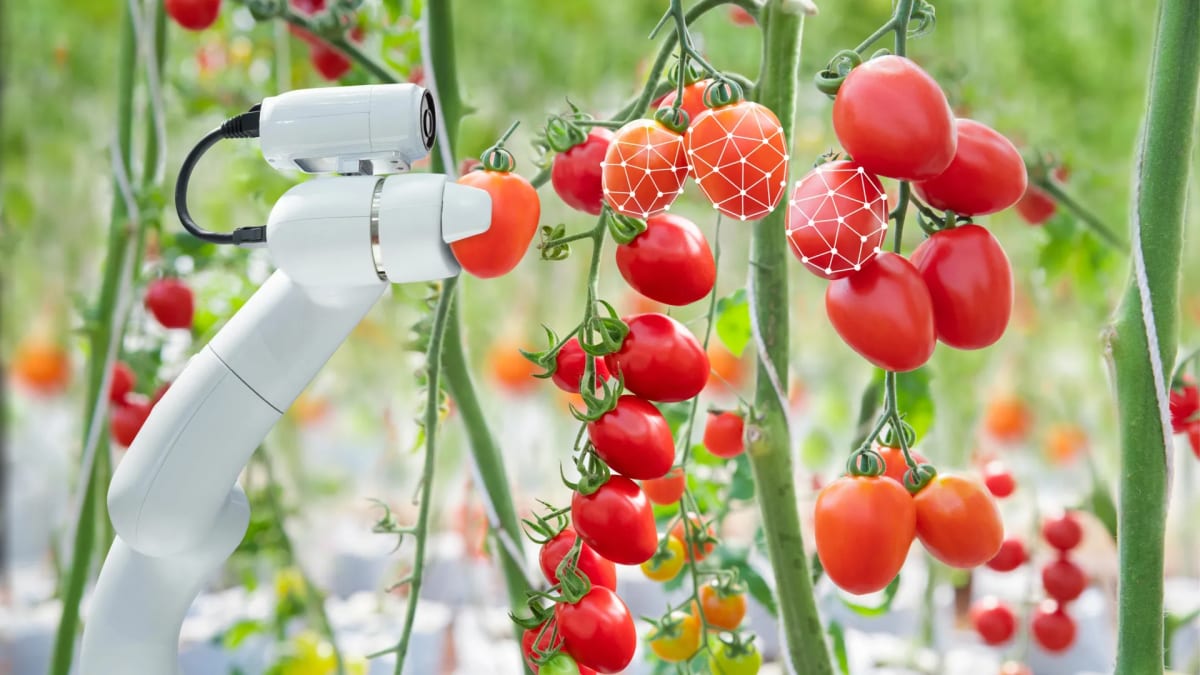
Scientists at Osaka Metropolitan University created a tomato-picking robot that doesn't just see ripe fruit. It predicts how easy each tomato will be to harvest, then adjusts its approach based on what it learns.
The breakthrough came when Assistant Professor Takuya Fujinaga shifted the question from "can a robot pick a tomato?" to "how likely is this pick to succeed?" That subtle change in thinking made all the difference.
The robot analyzes each tomato's position, the stems around it, and whether leaves are blocking the view. Then it chooses the best angle to approach and pick the fruit without damaging nearby unripe tomatoes still growing in clusters.
During testing, the system achieved an 81% success rate. Even better, about one in four successful picks happened after the robot tried from the front, realized it wouldn't work, and switched to grabbing from the side instead.
That ability to adapt on the spot is what makes this robot special. Traditional harvesting machines follow rigid programs, but this one makes real-time decisions like a human worker would.
Why This Inspires
Farm labor shortages are a growing problem worldwide, but this technology isn't about replacing farmhands. Fujinaga envisions something better: robots handling the easy pickings while humans focus on the tricky stuff.
"This is expected to usher in a new form of agriculture where robots and humans collaborate," he explained. The robot would automatically harvest accessible tomatoes, leaving challenging fruit for experienced human hands.
This "harvest-ease estimation" system turns ease of picking into something measurable and teachable. It's a model that could work for other delicate crops beyond tomatoes, from strawberries to peppers.
The research establishes a foundation for agricultural robots that can make informed choices and act intelligently in unpredictable environments. Each tomato cluster is different, every stem grows at its own angle, and leaves shift with the breeze, but the robot learns to navigate all of it.
Farms of the future might look like the best kind of teamwork: machines doing the repetitive work they're good at while humans bring flexibility and problem-solving to the harder tasks.
Based on reporting by Science Daily
This story was written by BrightWire based on verified news reports.
Spread the positivity!
Share this good news with someone who needs it