Robot Museum Guide Debuts at Historic Turin Palace
A friendly AI robot named R1 is helping visitors explore one of Italy's oldest museums, making centuries-old art more accessible while supporting human staff during busy times. Early results show more than 80% of museum-goers loved the experience.
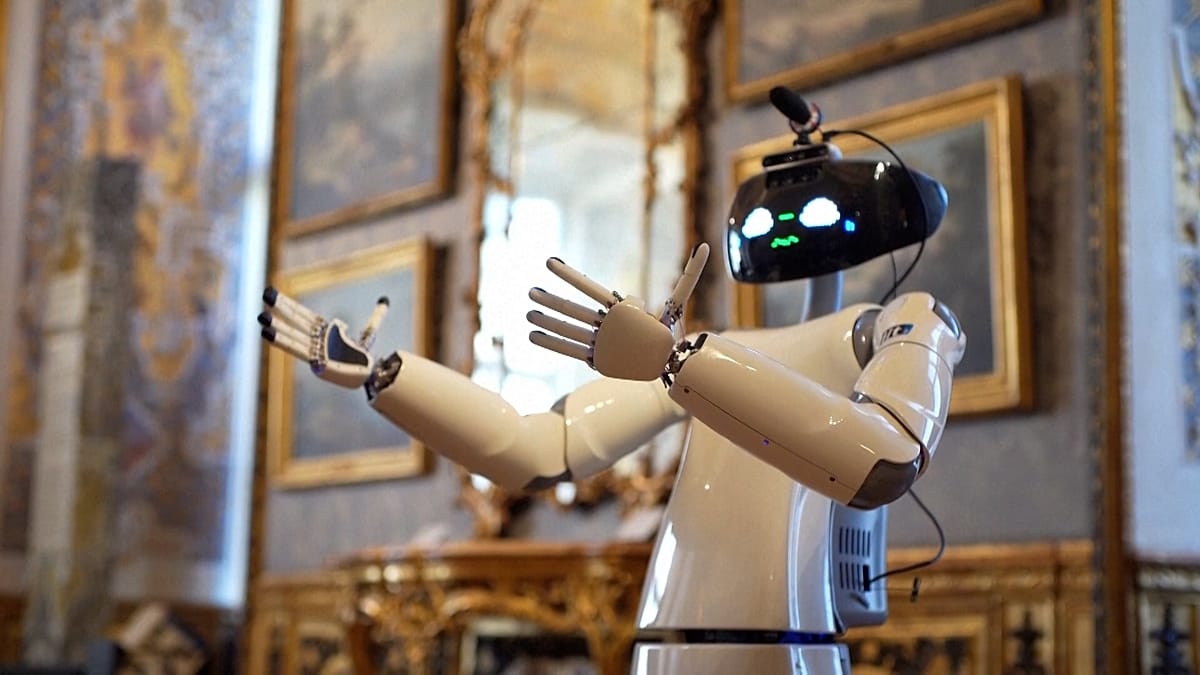
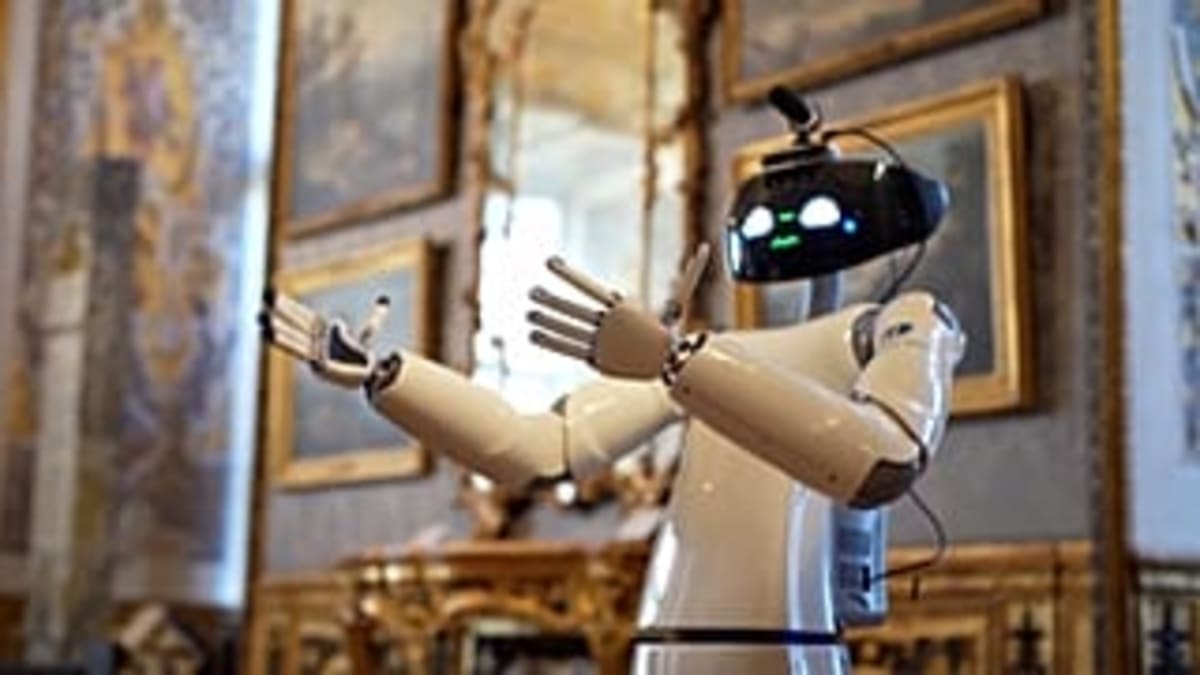
Imagine getting a personal tour of a 700-year-old Italian palace from a wheeled robot that can navigate narrow medieval corridors and explain priceless artworks. That's exactly what's happening right now at Turin's Palazzo Madama, where technology meets history in the most delightful way.
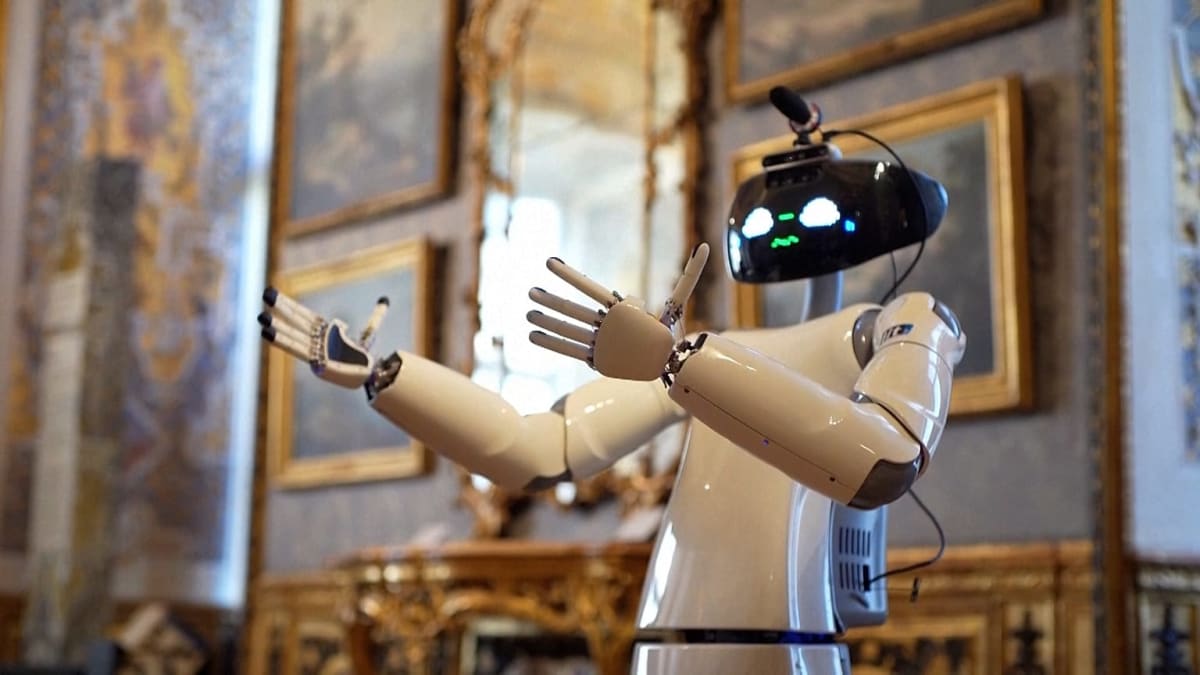
The R1 robot has been gliding through the historic museum since late March, acting as a helpful guide for curious visitors. Moving at about walking speed (1.5 meters per second), R1 uses built-in artificial intelligence to share stories about the palace's treasures while steering clear of obstacles and people.
Engineers equipped R1 with sensors and cameras that let it adapt on the fly. If someone steps in its path or a doorway gets crowded, the robot recalculates its route in real time, even remapping entire sections of the building if needed.
The project received 4 million euros from the European Union's Digital Europe Programme, with support from the University of Genoa and Robert Bosch GmbH. Museum officials were clear from the start: R1 isn't replacing anyone but rather helping human staff when visitor numbers spike by 30% or more during peak times.
The Ripple Effect
This six-week trial is already showing how technology can solve real problems museums face worldwide. Overcrowding makes it hard for everyone to enjoy exhibits, and staff can only be in so many places at once.
R1 bridges that gap by offering consistent, patient explanations to anyone interested, freeing up human guides to provide the deeper, personalized tours that some visitors still prefer. More than 80% of early users reported positive interactions with their robotic guide.
Not everyone is convinced yet. Some museum-goers still feel uncertain about how to interact with a machine, preferring the warmth and nuance of human conversation when learning about art and history. That feedback is helping engineers refine R1's approach.
The broader impact could extend far beyond Turin. Museums around the world struggle with accessibility and crowd management, especially in historic buildings not designed for modern visitor numbers. If R1's trial succeeds, similar robots could help preserve cultural treasures while making them available to more people than ever before.
The best part? This isn't about choosing between technology and humanity. It's about using smart tools to enhance what makes museums special: the chance for everyone to connect with history, art, and culture on their own terms.
More Images


Based on reporting by Euronews
This story was written by BrightWire based on verified news reports.
Spread the positivity!
Share this good news with someone who needs it