Robot Scans Mars Rocks 3x Faster in Breakthrough Test
A four-legged robot just proved it can hunt for signs of life on Mars three times faster than current methods, analyzing rocks on its own without waiting for Earth's instructions. This breakthrough could transform how we explore other planets.
Scientists just solved one of space exploration's biggest frustrations: the agonizing wait between sending commands to Mars and getting results back.
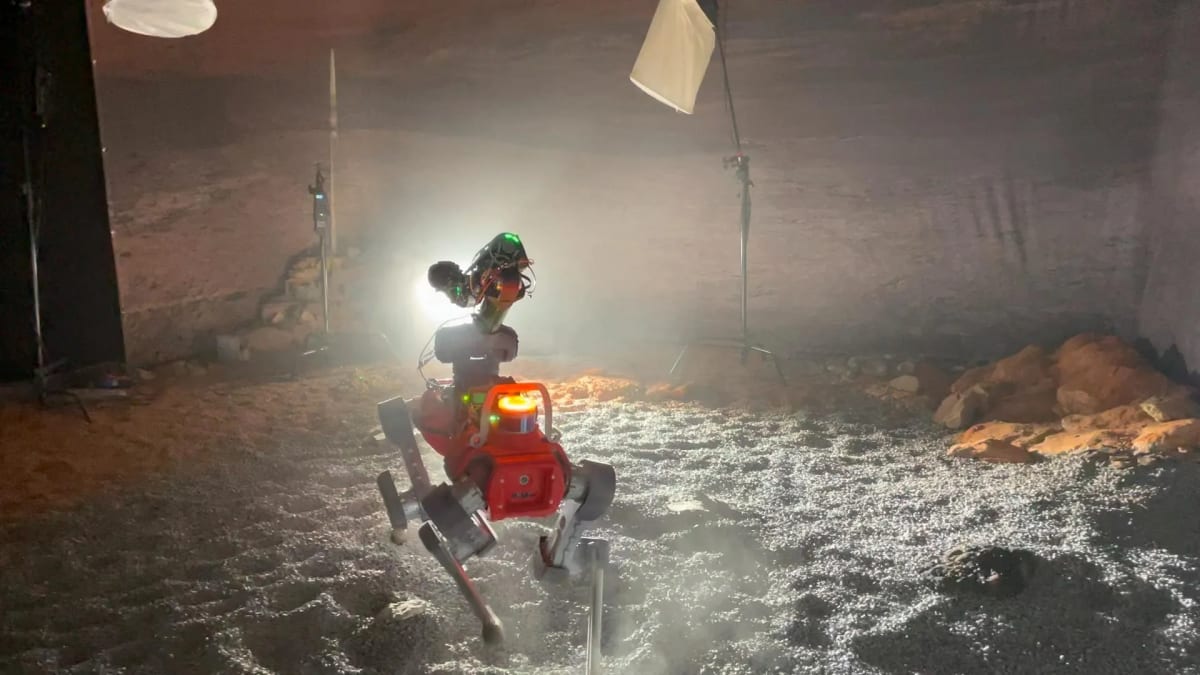
Researchers tested a robot that doesn't need constant human babysitting. The four-legged explorer, called ANYmal, moved from rock to rock on its own, scanning each one for valuable clues about resources and past life.
The results shocked even the team. Missions that normally took 41 minutes were completed in just 12 to 23 minutes. The robot didn't sacrifice accuracy for speed either. In one test, it correctly identified every single target.
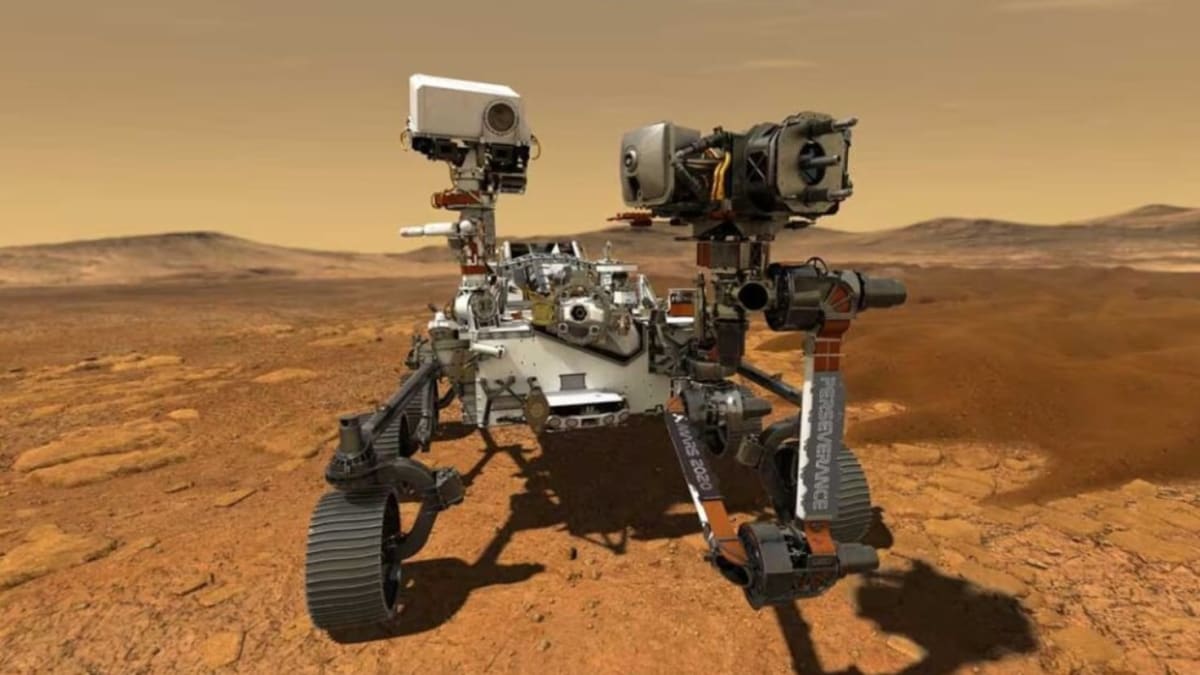
Here's why current Mars rovers crawl along so slowly. Every command from Earth takes between four and 22 minutes to reach the red planet. Scientists must plan each tiny movement in advance, then wait nearly an hour for confirmation before trying the next step. Most rovers cover only a few hundred meters per day.
The new approach flips this script entirely. ANYmal carried a camera and a special light-based scanner on a robotic arm. It walked to rocks, positioned its instruments, snapped images, and collected data all without phone-home breaks.
The team tested their robot at a Mars simulator lab in Basel, Switzerland. They recreated planetary dust, realistic lighting, and Mars-like rocks including gypsum, carbonates, and basalts. These materials are goldmines for space scientists. Some could indicate past water or microbial life. Others contain minerals useful for future human outposts.
The Ripple Effect
This isn't just about speed. It's about possibility. A robot that can scan dozens of rocks per day instead of one or two completely changes what we can discover.
Future missions could survey enormous areas quickly, sending back data for scientists to review. Researchers could then direct robots toward only the most promising locations for deeper study. Instead of creeping along one careful step at a time, exploration becomes a rapid-fire search and discovery mission.
The study also proved something many doubted. Smaller, simpler instruments work just fine when paired with smart robotic systems. Missions don't need to haul massive, complex equipment to every rock. Light, agile robots can cover more ground and find the targets that truly matter.
Space agencies planning trips to the Moon and Mars are already taking notice. The same approach could help build lunar bases by quickly identifying resources like water ice and useful minerals.
The next generation of space explorers might walk on four legs instead of wheels, racing across alien landscapes while we sleep, bringing us closer to answering humanity's biggest question: are we alone?
Based on reporting by Science Daily
This story was written by BrightWire based on verified news reports.
Spread the positivity!
Share this good news with someone who needs it