Robot Startup Apptronik Raises $935M at $5.3B Valuation
A robotics company born from a NASA challenge just raised nearly $1 billion to build helpful humanoid robots for warehouses and factories. The Texas startup is turning science fiction into reality with machines that can think, see, and adapt.
Robots that can actually help people at work just got a massive vote of confidence from some of the world's biggest companies.
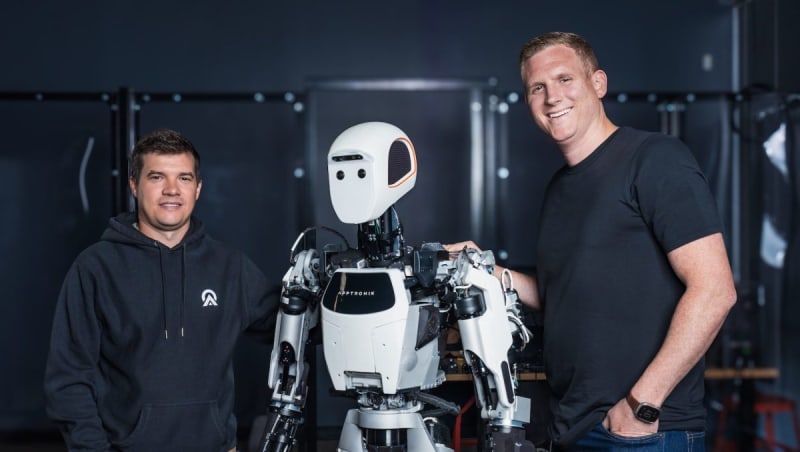
Apptronik, a University of Texas spinout building humanoid robots, announced it raised $935 million in total funding at a valuation of $5.3 billion. Google, Mercedes-Benz, and other major investors kept writing checks because they believe these walking, thinking machines will transform how we work.
Unlike the rigid industrial robots bolted to factory floors, Apptronik's humanoid robot Apollo can perceive its surroundings and make decisions on the fly. Think of it as the difference between a calculator following commands and a coworker who can figure things out.
The company is partnering with Google DeepMind, Mercedes-Benz, and logistics giant GXO to deploy these robots for practical tasks. They'll unload delivery trailers, pick warehouse inventory, and tend machinery in jobs that are often physically demanding or repetitive for humans.
What started as a NASA challenge in 2013 has evolved into one of the most promising robotics companies in the world. A team from the University of Texas competed in the NASA-DARPA Robotics Challenge with a robot called Valkyrie, and NASA has stayed involved ever since as the technology matured.
The excitement isn't just about cool technology. Investors tripled the company's valuation in just one year because they see real applications solving real problems. Companies are eager to fill labor gaps in warehouses and factories while making physically demanding jobs safer.
The Ripple Effect
This funding surge signals something bigger than one company's success. The humanoid robotics industry is racing toward practical deployment, with competitors like Figure AI also raising billions to bring these machines into everyday work environments.
The partnerships with major corporations mean these robots aren't decades away in some research lab. They're being tested in real warehouses and factories right now, learning to work alongside humans rather than replace them entirely.
For workers, this could mean fewer injuries from repetitive strain and heavy lifting. For companies, it means keeping warehouses running even when hiring is difficult. For all of us, it means the helpful robots we imagined as kids are finally becoming real.
Apollo and robots like it represent a future where technology handles the physically tough jobs while humans focus on work that requires creativity, empathy, and complex problem solving. That's not just innovation—it's progress that could improve millions of working lives.
More Images


Based on reporting by TechCrunch
This story was written by BrightWire based on verified news reports.
Spread the positivity!
Share this good news with someone who needs it