Robot Teams Survive When Individual Bots Fail
Scientists at EPFL designed modular robots that get stronger as a team when individual units break down, flipping traditional robotics on its head. The breakthrough could revolutionize everything from disaster response to space exploration.
When one robot breaks, the whole mission usually fails, but Swiss scientists just changed the game completely.
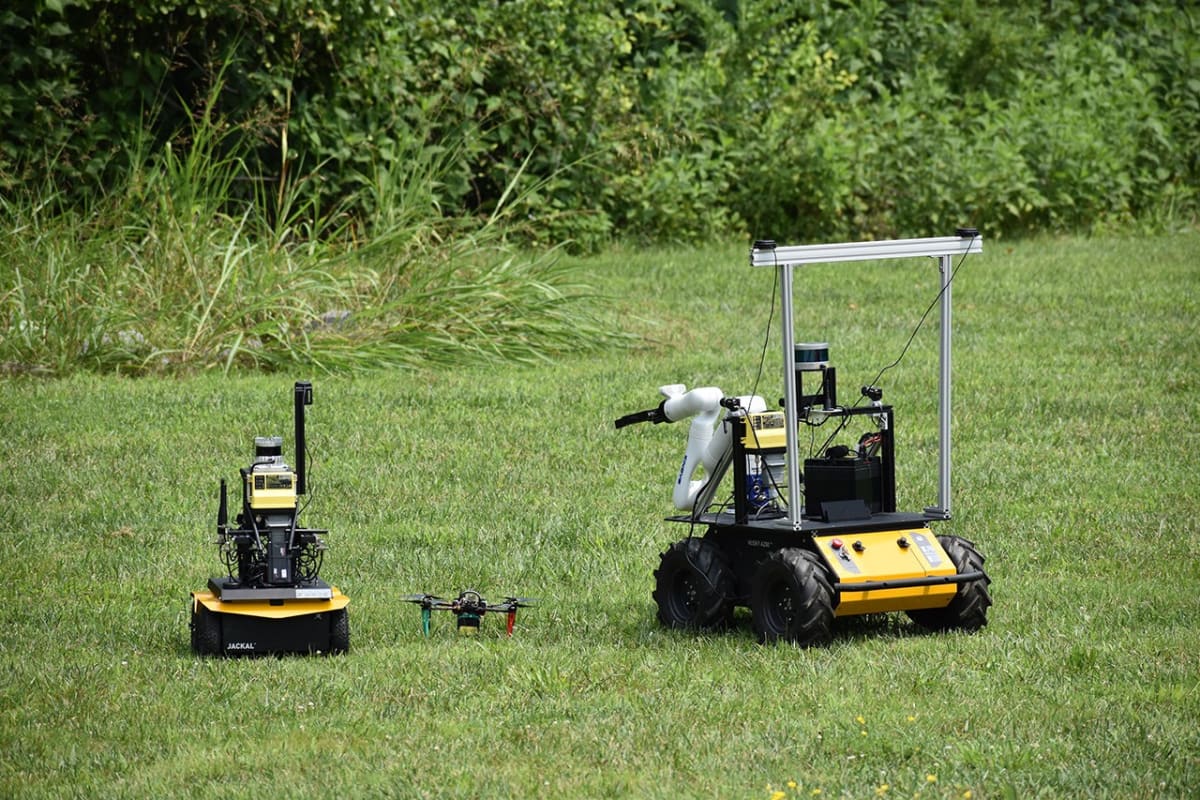
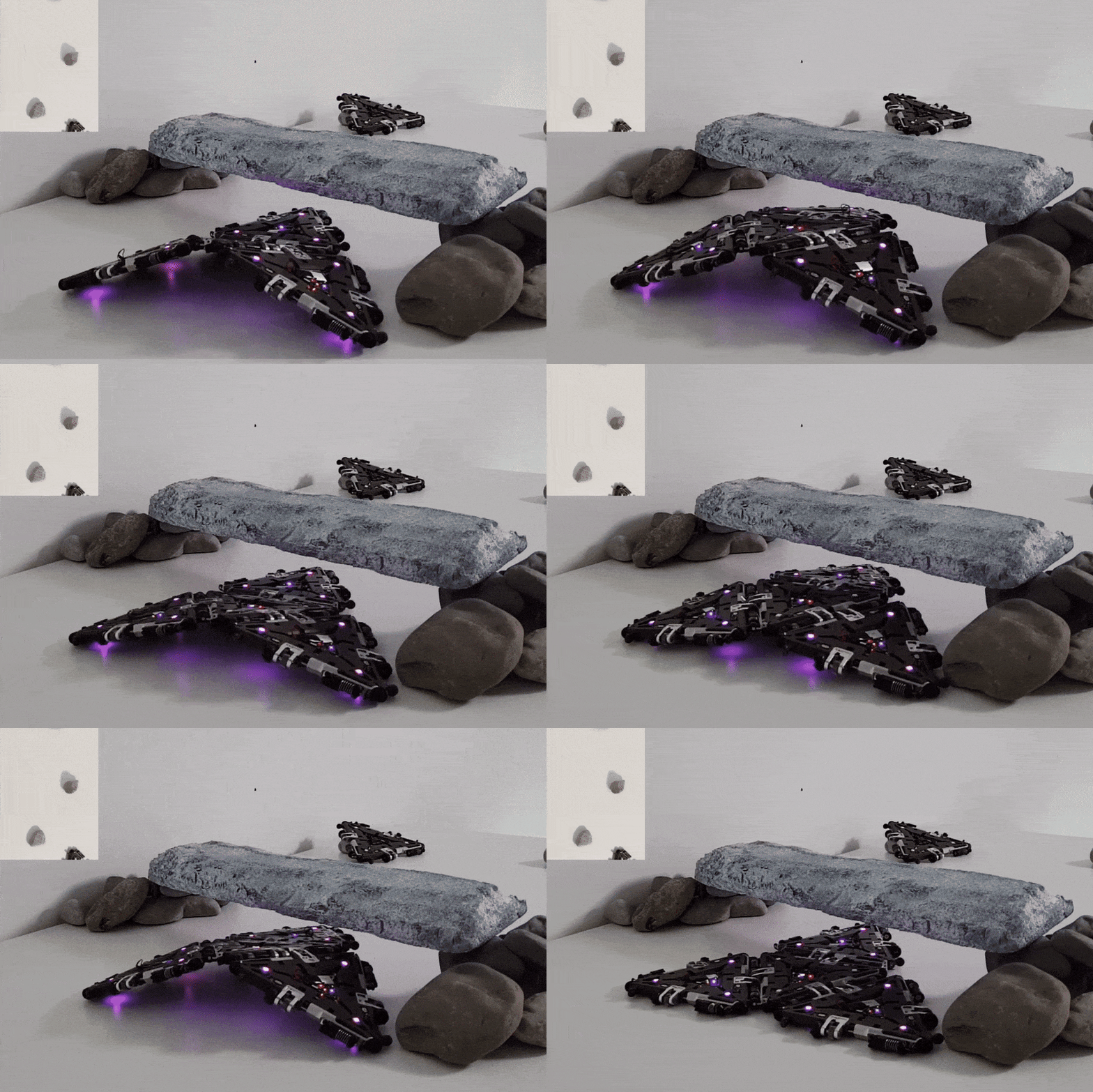
Researchers at EPFL's Reconfigurable Robotics Lab created a collective of modular robots that actually becomes more reliable as you add more units to the team. Instead of each new robot adding another potential point of failure, these bots share resources and cover for each other when teammates go down.
Think of it like a sports team where injured players can still contribute from the bench. The robot modules talk to each other, redistribute tasks, and keep the mission moving forward even when some units stop working properly.
Traditional modular robots face a cruel math problem: more modules mean more capabilities but also more ways things can break. EPFL's team reversed that equation by programming the bots to exploit redundant resources and share them locally with neighbors.
The breakthrough works because each module doesn't try to be a hero going solo. When one bot detects a problem in itself or a teammate, the collective automatically reroutes responsibilities to healthy units without missing a beat.
The Ripple Effect
This isn't just cool lab science. Robot collectives that can survive partial failures could transform search and rescue operations, where machines regularly get damaged in collapsed buildings or disaster zones.
Space agencies are already interested because sending repair technicians to Mars isn't exactly convenient. Self-healing robot teams could maintain equipment, conduct research, and build habitats without constant human intervention.
Warehouse automation could also benefit enormously. Instead of shutting down an entire fulfillment center when one robot breaks, the rest of the fleet would simply compensate until maintenance arrives.
The agricultural sector faces similar challenges with robotic harvesters working massive fields. A collective that keeps functioning despite mechanical failures means crops get picked on schedule regardless of individual breakdowns.
The research team published their findings in Science, one of the world's most prestigious scientific journals. Their work builds on years of swarm robotics research but adds the crucial element of graceful degradation under real-world conditions.
No system will ever be perfect, but EPFL's innovation shows that building smarter teams matters more than building invincible individuals.
More Images

Based on reporting by IEEE Spectrum
This story was written by BrightWire based on verified news reports.
Spread the positivity!
Share this good news with someone who needs it