Robotic Arms Feel Real at Natural Speed, Study Finds
Scientists discovered the secret to making AI-powered prosthetic limbs feel like part of your body: they just need to move at a natural human pace. This breakthrough could transform how millions of amputees experience and accept their prosthetic devices.
Imagine controlling a robotic arm with your mind, but feeling like it's truly yours. Japanese researchers just cracked the code on making that feel real.
Scientists at Toyohashi University of Technology used virtual reality to solve a critical puzzle facing the future of prosthetics. As AI-powered limbs become smarter and more autonomous, the biggest challenge isn't technology. It's acceptance.
When something moves on your body without your direct control, your brain rebels. Even if it's helping you, it feels alien and unsettling. That's been the major barrier stopping people from embracing autonomous prosthetic limbs that could dramatically improve their lives.
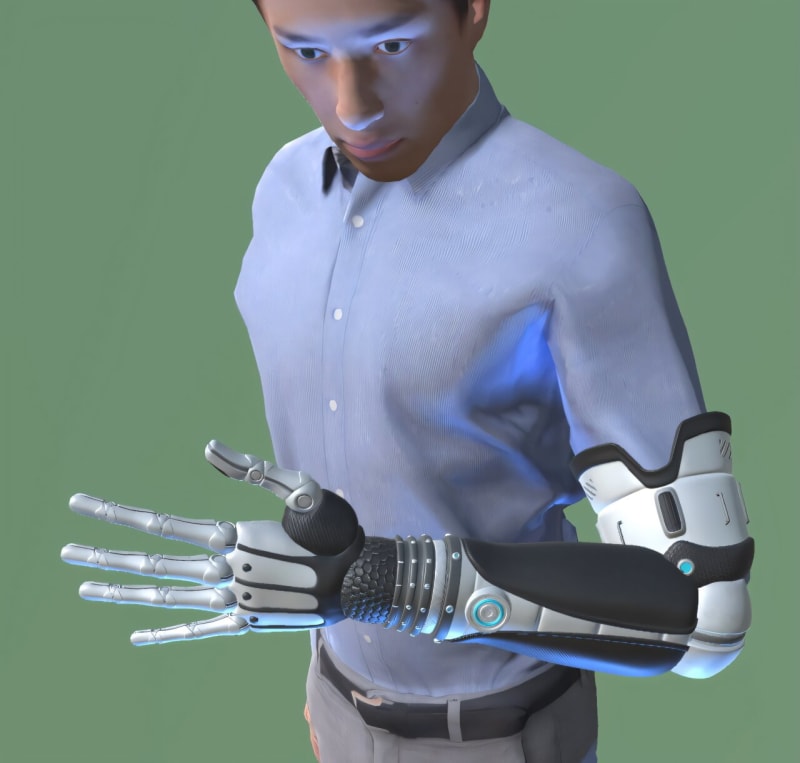
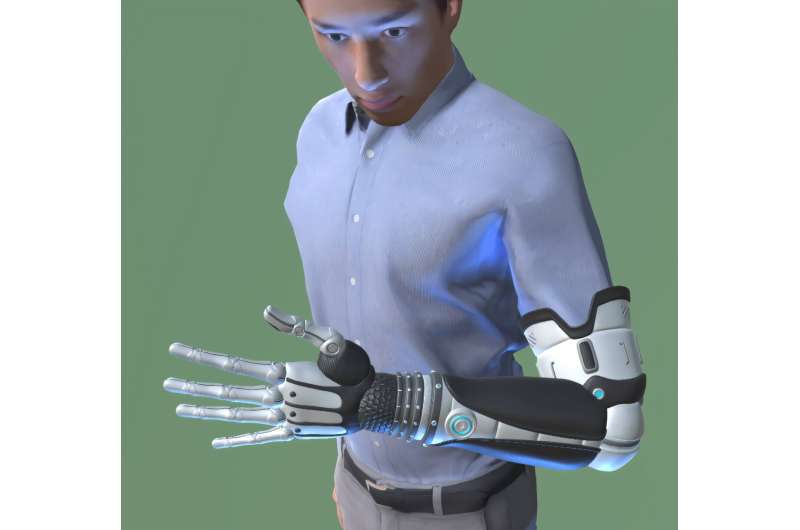
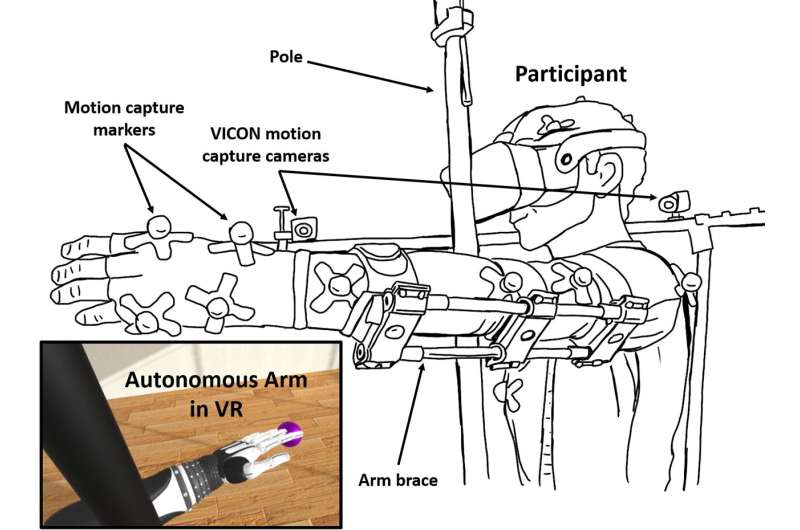
The research team, led by Harin Manujaya Hapuarachchi, created a virtual reality experiment where participants saw their own forearm replaced with a robotic prosthetic. The prosthetic arm moved on its own toward targets at six different speeds, from lightning fast (125 milliseconds) to painfully slow (4 seconds).
The results were striking. When the robotic arm moved at a moderate, natural human speed of about one second, participants felt the strongest sense of body ownership. They rated it as most usable and felt the greatest sense of control.
Both extremely fast and extremely slow movements killed that feeling of connection. The fastest speeds made people uncomfortable, while the slowest felt incompetent. Speed that matched natural human reaching hit the sweet spot.
The Ripple Effect
This discovery matters for far more than just prosthetic arms. The findings could reshape how designers approach exoskeletons, wearable robots, and supernumerary robotic limbs (extra robotic arms that augment able-bodied people).
For the 2 million Americans living with limb loss, this research addresses something deeply human. It's not enough for a prosthetic to work well technically. It needs to feel like you, not like a tool strapped to your body.
The team's use of virtual reality is particularly clever. It lets researchers test technologies that don't exist yet in the real world, figuring out the human factors before investing millions in physical prototypes. They can discover what people will actually accept and use in their daily lives.
The researchers acknowledge there's more to explore. Over time, people might adapt to faster robotic speeds, just as we come to feel familiar tools as extensions of ourselves. Long-term studies could reveal whether our brains can learn to accept superhuman speeds as normal.
For now, the message to prosthetic designers is clear: sometimes matching human nature matters more than exceeding human performance.
More Images

Based on reporting by Phys.org - Technology
This story was written by BrightWire based on verified news reports.
Spread the positivity!
Share this good news with someone who needs it