Robots Are Creating Jobs, Not Replacing Them
In Japan, people with disabilities remotely operate robots in cafes, proving automation can bring workers in rather than push them out. Now manufacturers worldwide are following this human-first approach to workplace robots. ##
📺 Watch the full story above
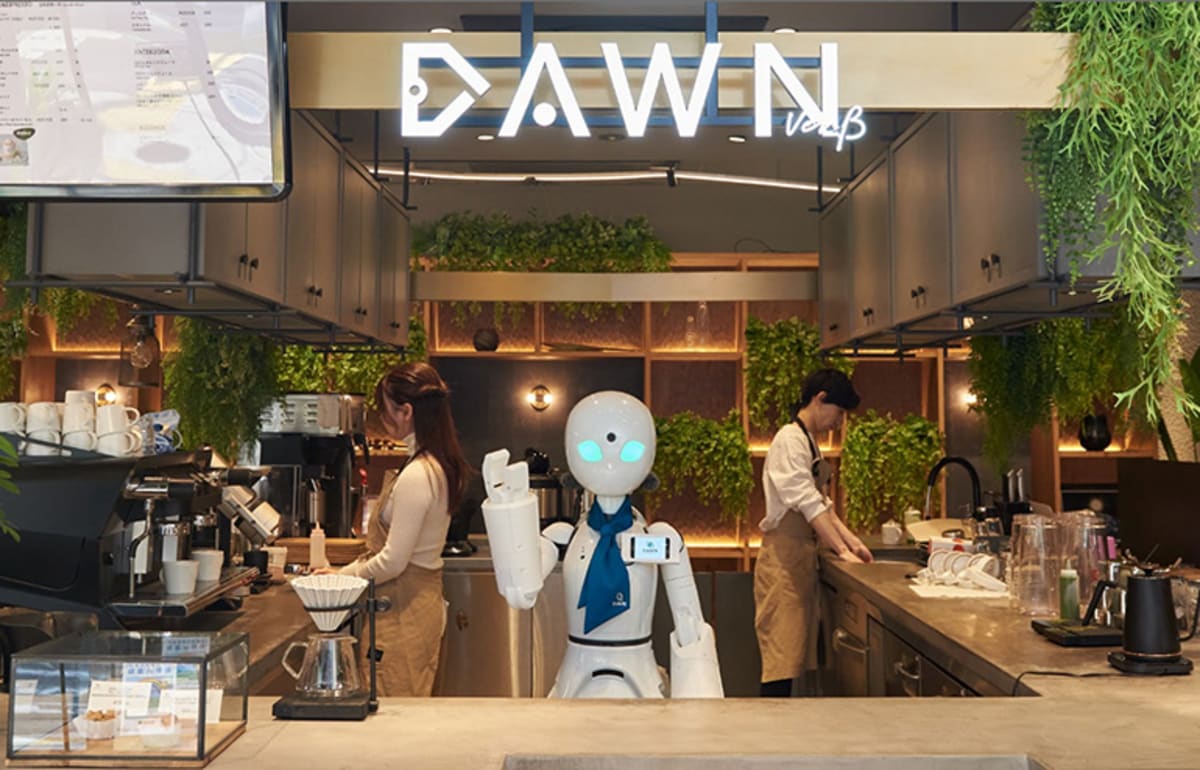
People with disabilities are running cafes in Japan using robots they control from home, and it's changing how the world thinks about automation.
The Dawn cafe uses robots operated remotely by people who can't easily leave their homes. It's proof that robots don't have to replace workers. They can create opportunities for people who were previously left out of the workforce.
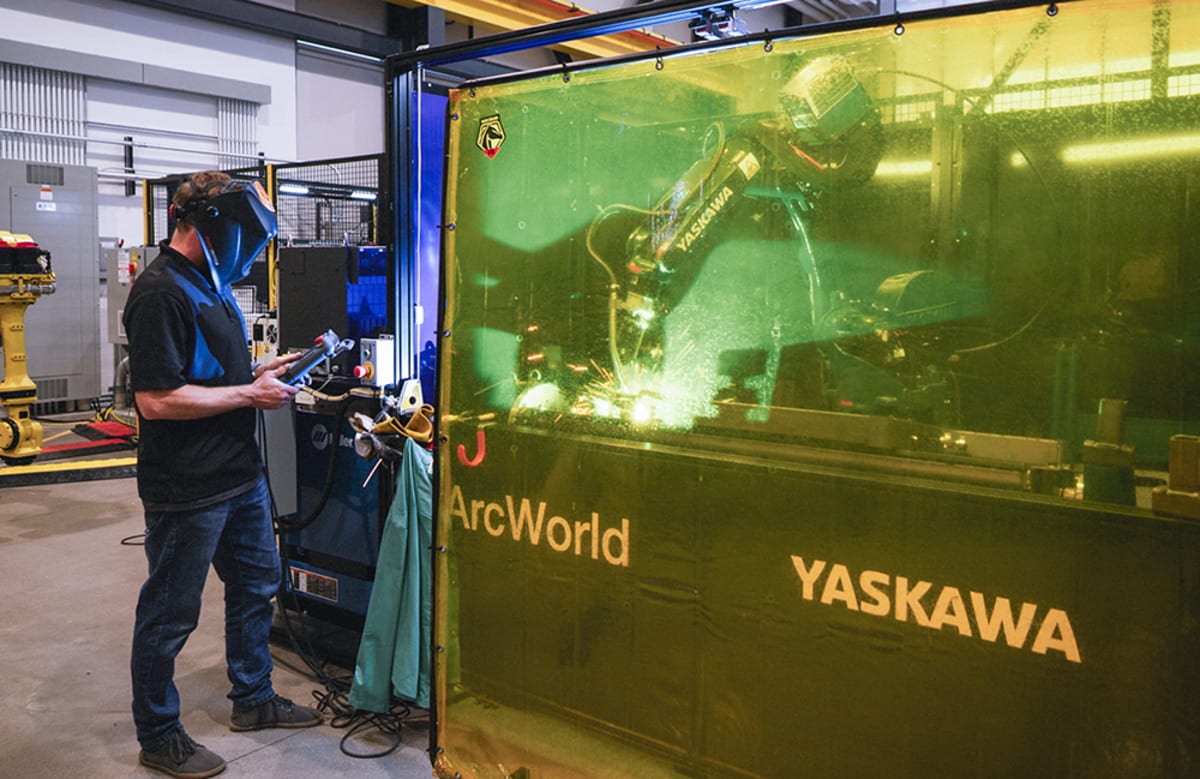
This approach is spreading to manufacturing. In 2024, factories installed 542,000 robots, more than double the number from a decade ago. But here's the good news: over half of these companies are using robots to improve quality, not cut staff.
The reality is that most factories can't simply swap humans for machines. Seventy percent of manufacturers still collect data by hand. The infrastructure for fully autonomous robots just isn't there yet.
That's where human expertise becomes irreplaceable. Factory workers have spent years, even decades, perfecting their skills. Their knowledge is physical and instinctual, built into how they move and solve problems. Teaching that wisdom to robots requires the workers themselves.
Even assembling mobile phones still needs human hands for certain delicate components. Robots lack the dexterity and judgment that people bring naturally. Training robots to handle complex tasks will require skilled human guidance for years to come.
Companies are discovering that the real value comes from partnership. When robots handle repetitive, lower-stakes work, people can focus on strategy, relationships, compliance, and creative problem-solving. These uniquely human skills become more valuable, not less.
The shift requires investment in people. Workers need training to oversee AI systems and remotely operated robots. They need skills in strategic thinking, communication, and understanding how individual tasks connect to bigger goals.
Smart manufacturers are putting safety first, followed by quality, then productivity. This hierarchy protects workers and builds sustainable automation that enhances rather than exploits.
The Ripple Effect
The transformation reaches beyond factory floors. People who face mobility challenges, disabilities, or caregiving responsibilities can now participate in manufacturing work remotely. The same technology that powers automated assembly lines can empower workers to contribute from anywhere.
This approach creates more inclusive workforces while solving real business challenges. Companies get the precision and consistency of robots plus the creativity and judgment of experienced humans. Workers gain safer conditions and opportunities to develop valuable new skills.
The future of manufacturing isn't humans versus robots—it's humans and robots, working together to build something neither could achieve alone.
##
More Images



Based on reporting by The Robot Report
This story was written by BrightWire based on verified news reports.
Spread the positivity!
Share this good news with someone who needs it