Robots Break Speed Records But Can't Stop Running Yet
Humanoid robots at China's World Humanoid Robot Games just beat Usain Bolt's 100-meter record, then crashed into barriers because they haven't learned to stop. The spectacle reveals both exciting progress and charming limitations in robotics.
📺 Watch the full story above
Humanoid robots are getting faster than Olympic champions, but they still have a lot to learn about braking.
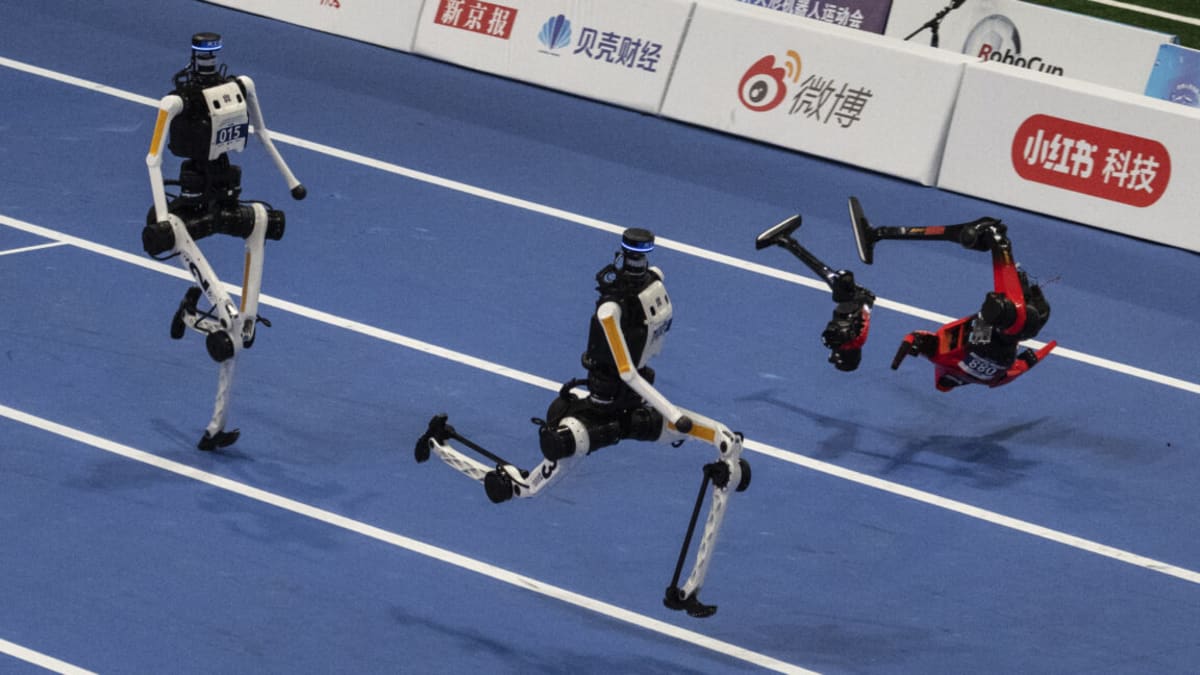
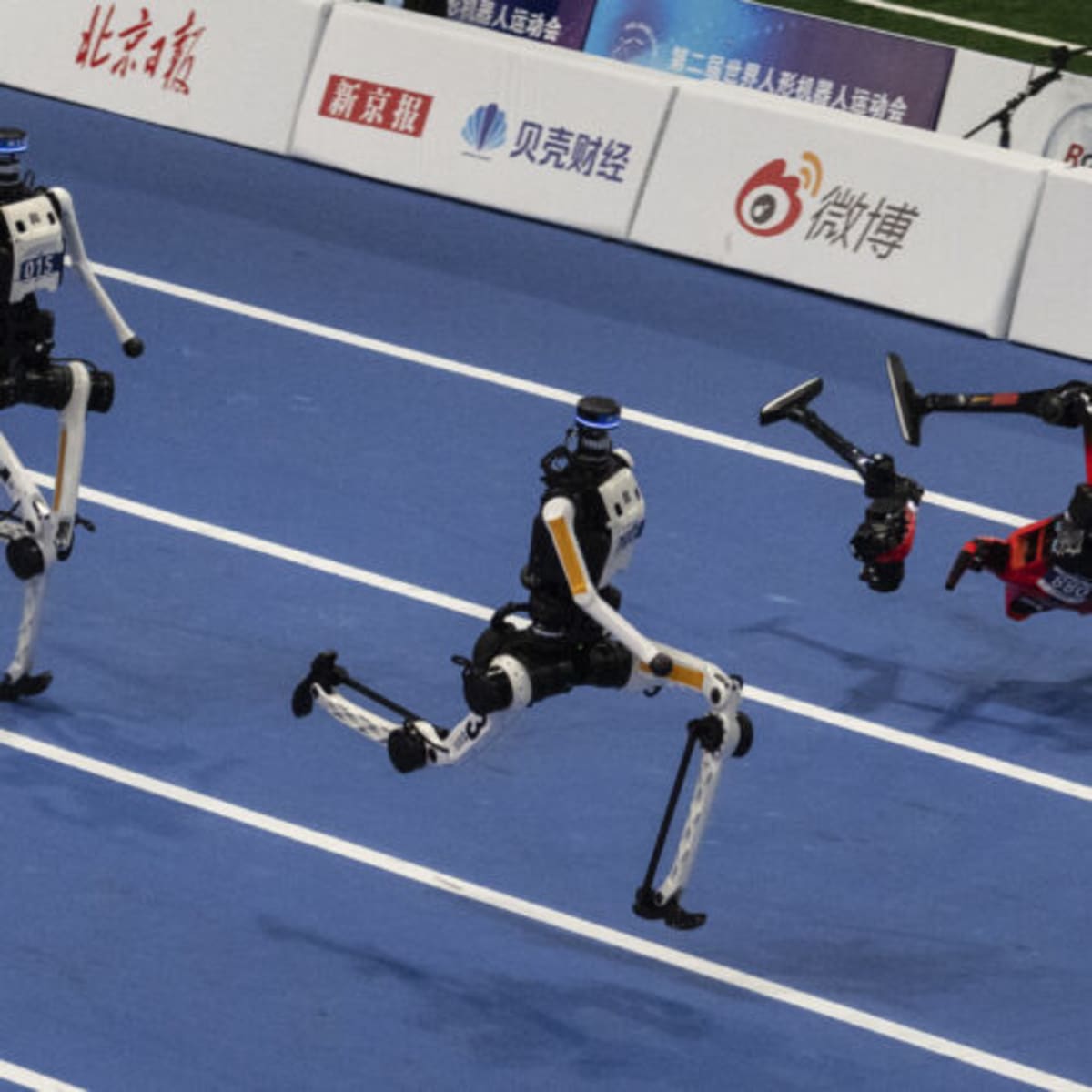
At the World Humanoid Robot Games in Beijing this August, sprinting robots shattered the human 100-meter record held by Usain Bolt. The catch? They couldn't slow down after crossing the finish line, crashing into barriers and sometimes bursting into sparks or flames.
The games challenged robots to run, perform kung fu moves, play soccer, and even compete in kickboxing. This year's event added practical tests too, including washing laundry, folding clothes, and helping out in hotel rooms.
"There has definitely been a huge push in engineering from where they were last time to this time," said Dipam Patel, a robotics researcher at Purdue University. The robots now demonstrate impressive whole body control, coordinating all their joints to accomplish specific tasks.
But here's the thing: these robots are specialists, not generalists. Each machine was engineered for one specific task, which is why the running robots couldn't do something as simple as slow down safely.
One robot from Beijing-based company X-Humanoid went viral for its unusual running style. Through thousands of practice runs in computer simulations, it learned to hold its arms near its face instead of swinging them like human runners. The quirky "shy person" posture helped it win the 400-meter race.
Why This Inspires
The less flashy events might matter more in the long run. Robots competed in firefighting scenarios, identifying hazards and putting out fires. Only three out of 12 teams completed the entire challenge.
They also tried hammering nails, picking up beans, and shelving library books. These mundane tasks test the visual recognition and fine motor skills that future household robots will need.
Many robots still needed human operators controlling them remotely, though the competition penalized remote control with lower scores. The push toward autonomy shows where the technology needs to grow.
What makes this progress inspiring isn't just the broken records or viral videos. It's watching an entire industry publicly test, fail, and learn. Today's robots may crash after crossing the finish line, but they're teaching engineers exactly what needs fixing. Every spectacular failure and modest success brings us closer to robots that can genuinely help with daily tasks, from household chores to emergency response.
The robots are learning, and so are we.
More Images


Based on reporting by Ars Technica
This story was written by BrightWire based on verified news reports.
Spread the positivity!
Share this good news with someone who needs it