Robots Carry Eggs Up 3,000 Steps at China's Mount Tai
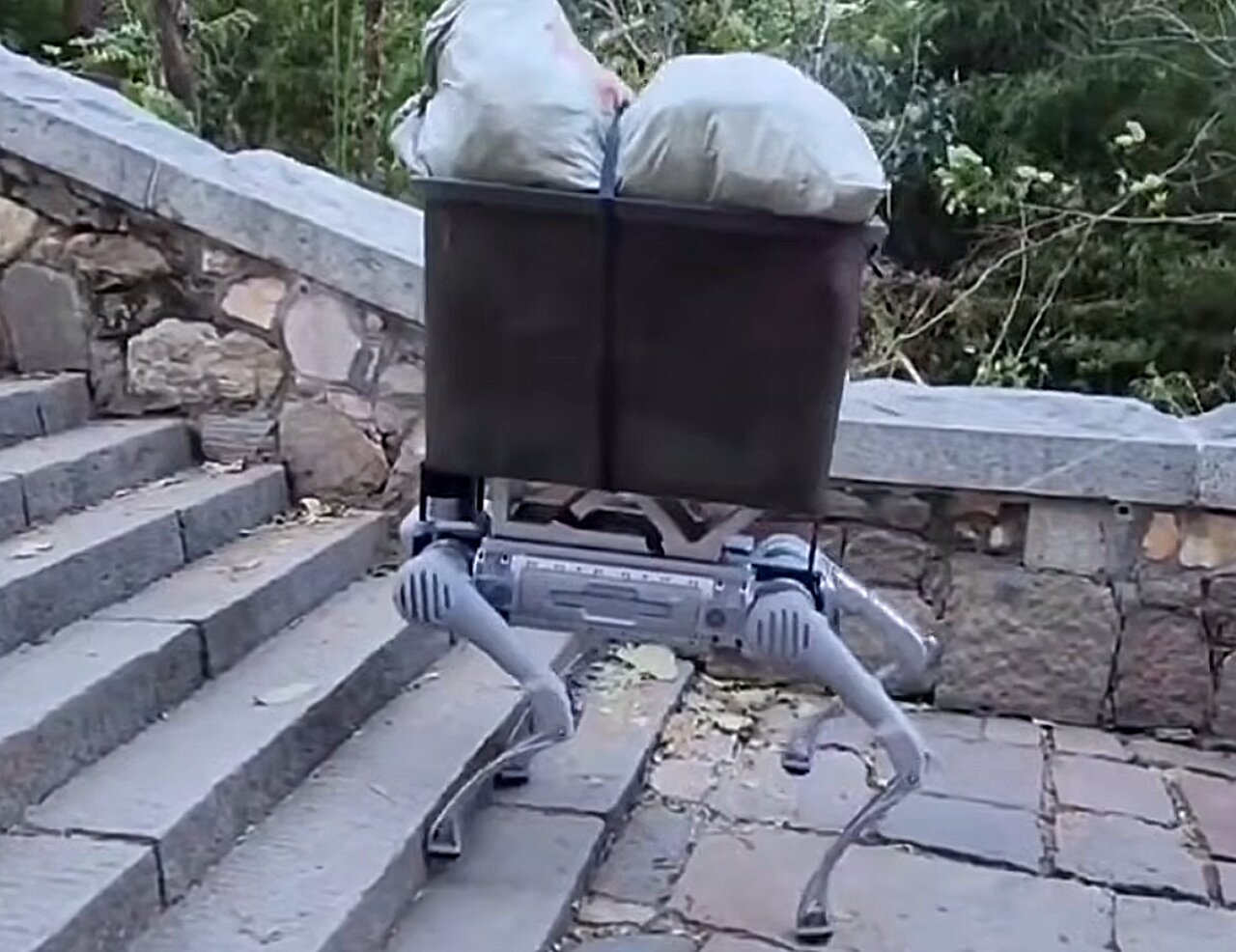
Dozens of advanced robots conquered the rugged steps of China's Mount Tai, safely carrying fresh eggs to the summit in a groundbreaking endurance trial. The milestone proves how rapidly autonomous technology is progressing to assist human rescue and remote transport operations.
Watch the full story above
Imagine watching a high-tech quadruped sprint past you on a mountain trail, balancing a carton of fresh eggs without cracking a single shell. That astonishing sight became reality this week as dozens of cutting-edge machines tackled China's historic Mount Tai.
The World Mountain Robot Challenge brought ninety engineering teams together to put their mechanical creations through the ultimate endurance test. Engineers gathered at the legendary UNESCO World Heritage site to evaluate how autonomous systems navigate rugged, unforgiving real-world environments.
Rising over eastern Shandong province, Mount Tai features more than three thousand steep, ancient stone steps carved into its rocky slopes. For centuries, pilgrims walked this sacred path over several grueling hours to reach the mist-shrouded summit.
This week, modern robotics transformed that historic pilgrimage into an inspiring proving ground for forward-thinking engineering. Competitors faced a demanding 3.9-kilometer course that climbed nearly two thousand feet into the mountain air.
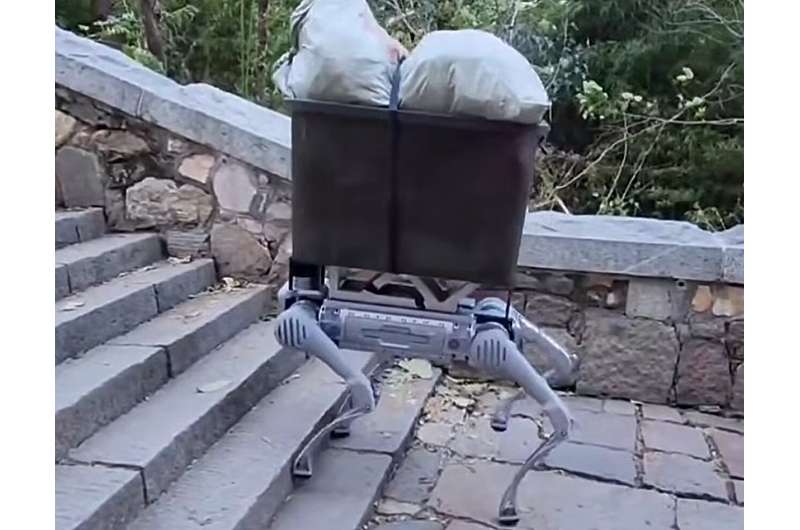
Rather than merely racing against the clock, several robots carried delicate cargo like fresh eggs and ripe watermelons. Organizers designed this fragile payload challenge to test dynamic balance, active suspension, and precision motor control under intense physical stress.
A four-legged canine robot built by Beijing Lingyi Technology, a subsidiary of Unitree, stole the spotlight with breathtaking speed. It conquered the entire climb in just 43 minutes and 41 seconds, easily outpacing human hikers who typically require at least two hours.
Humanoid robots also demonstrated remarkable progress across the rocky terrain, showing how bipedal locomotion has matured. A two-legged machine developed by the Beijing-based team Zhishen Lingyue completed a dedicated speed course in an impressive 27 minutes and 26 seconds.
Engineers equipped these machines with advanced visual sensors, rapid-response gyroscopes, and real-time artificial intelligence to interpret unpredictable footing. Every split-second step required the software to calculate surface friction, step height, and joint torque instantly.
Not every machine made the climb look effortless, but each stumble offered invaluable diagnostic data for watching engineers. When a robot slipped on the slick cobblestones, its support crew immediately mobilized to study the telemetry and refine its balance algorithms.
Roboticists view these natural obstacle courses as essential testing grounds that push hardware far beyond sterile indoor laboratories. By braving unpredictable stone stairs, windy mountain corridors, and variable elevations, developers learn how machines behave when confronted with genuine surprises.
The event also featured vibrant collaboration among university researchers, startup founders, and seasoned robotics pioneers. Teams exchanged technical insights at basecamp, celebrating each successful summit as a collective victory for the entire field.
The Ripple Effect
The breakthroughs achieved along Mount Tai will rapidly accelerate the deployment of autonomous helpers in critical human operations. Quadrupedal machines capable of carrying fragile items across broken terrain can deliver life-saving medical supplies to disaster survivors stranded by earthquakes or landslides.
Search and rescue teams often face treacherous topography where human first responders cannot safely venture. These agile, sure-footed machines can navigate unstable debris fields to locate trapped individuals while carrying vital diagnostic tools and hydration packs.
In remote mountainous settlements, heavy-payload delivery robots could soon transport groceries and medicine to aging populations without relying on fossil-fueled vehicles. This sustainable logistics network would keep isolated communities connected throughout harsh winter weather.
Furthermore, the sophisticated balance algorithms refined on these stairs will directly improve assistive exoskeletons and prosthetics for people living with mobility impairments. When robotics masters the dynamics of uneven climbing, humans regaining their mobility reap the greatest benefits.
Every fragile egg delivered intact to the summit proves that robotics is moving from theoretical research into dependable, compassionate service. The steep mountain trail showed that when human ingenuity meets rigorous field testing, breakthrough solutions rise to the top.
As machines master the world's most challenging landscapes, they bring humanity one step closer to a safer, more connected future.
More Images

Based on reporting by Phys.org - Technology
Play Today’s BrightWire Positive Mini Crossword & Word Game
Keep your mind sharp with our free 5-minute uplifting daily crossword and positivity word puzzle.
Spread the positivity!
Share this good news with someone who needs it