Robots Learn Like Humans: $6.1B Bet on Helpful Machines
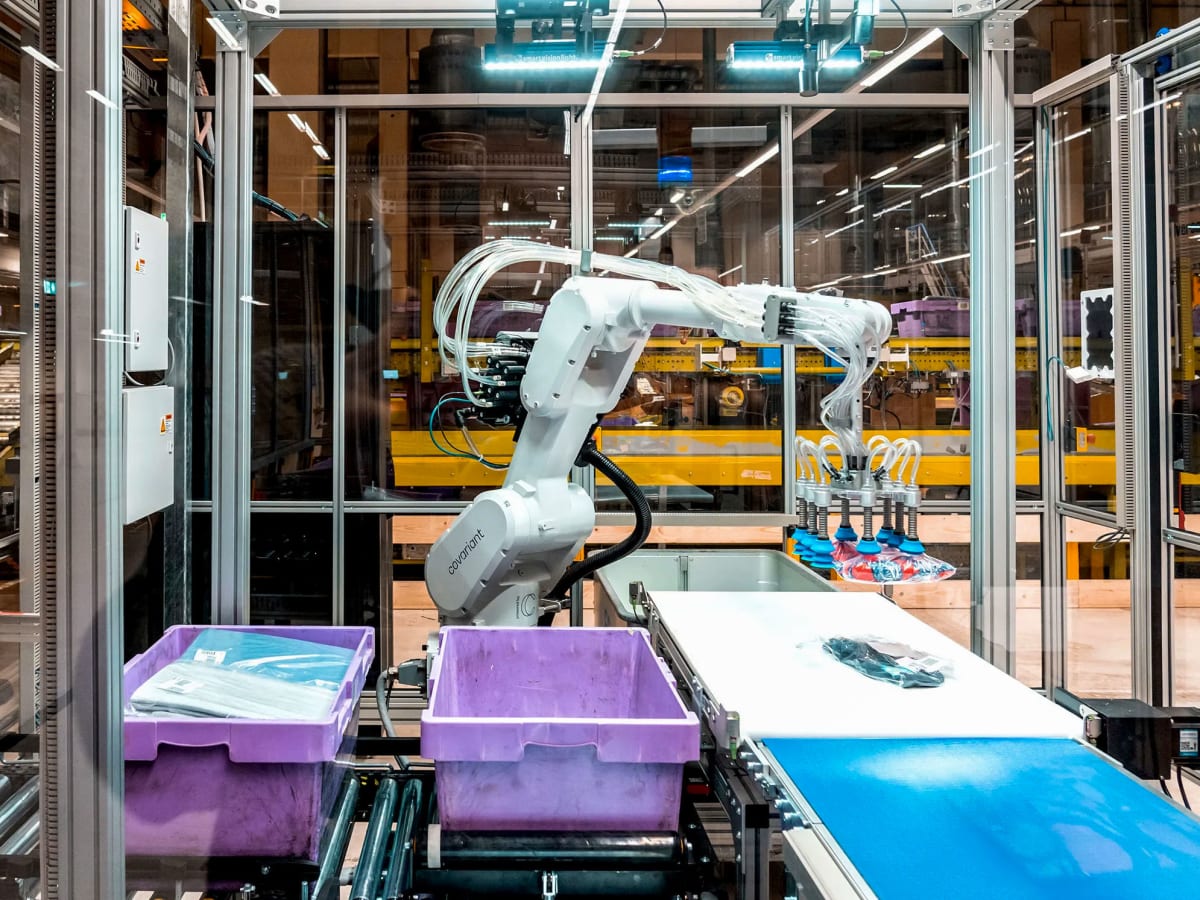
After decades of failed attempts, robots are finally learning to help in homes and workplaces thanks to AI breakthroughs. Investment in humanoid robots jumped from $1.5 billion to $6.1 billion in just one year.
The dream of helpful robots that could fold your laundry, assist elderly family members, or handle dangerous jobs seemed impossible for decades. Now that dream is closer than ever, and investors are betting billions it will come true.
Companies poured $6.1 billion into humanoid robots in 2025 alone. That's four times the investment from just a year earlier, marking a stunning reversal after generations of failure.
What changed? Robots stopped following rigid rules and started learning like we do.
The old way was painfully slow. Engineers would write thousands of instructions for simple tasks like folding a shirt: identify the collar, locate the left sleeve, fold at this exact angle. Miss one scenario and the whole system failed.
Around 2015, researchers tried something new. They built digital simulations where robot arms could practice folding clothes millions of times, learning from success and failure just like humans master a skill through repetition.
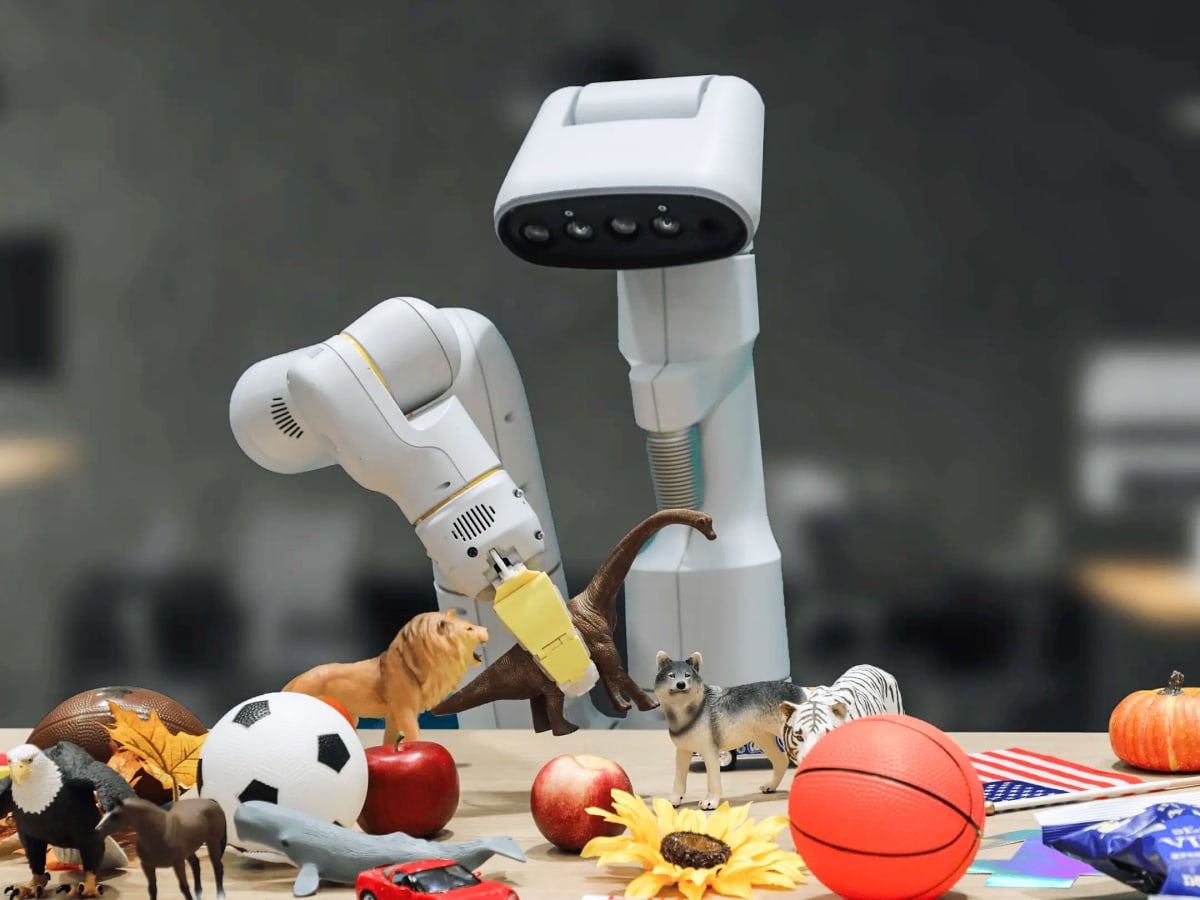
Then ChatGPT arrived in 2022 and sparked a revolution. The same technology that learned to predict the next word in a sentence could help robots predict their next action. By absorbing photos, sensor data, and joint positions, AI models began issuing dozens of motor commands every second.
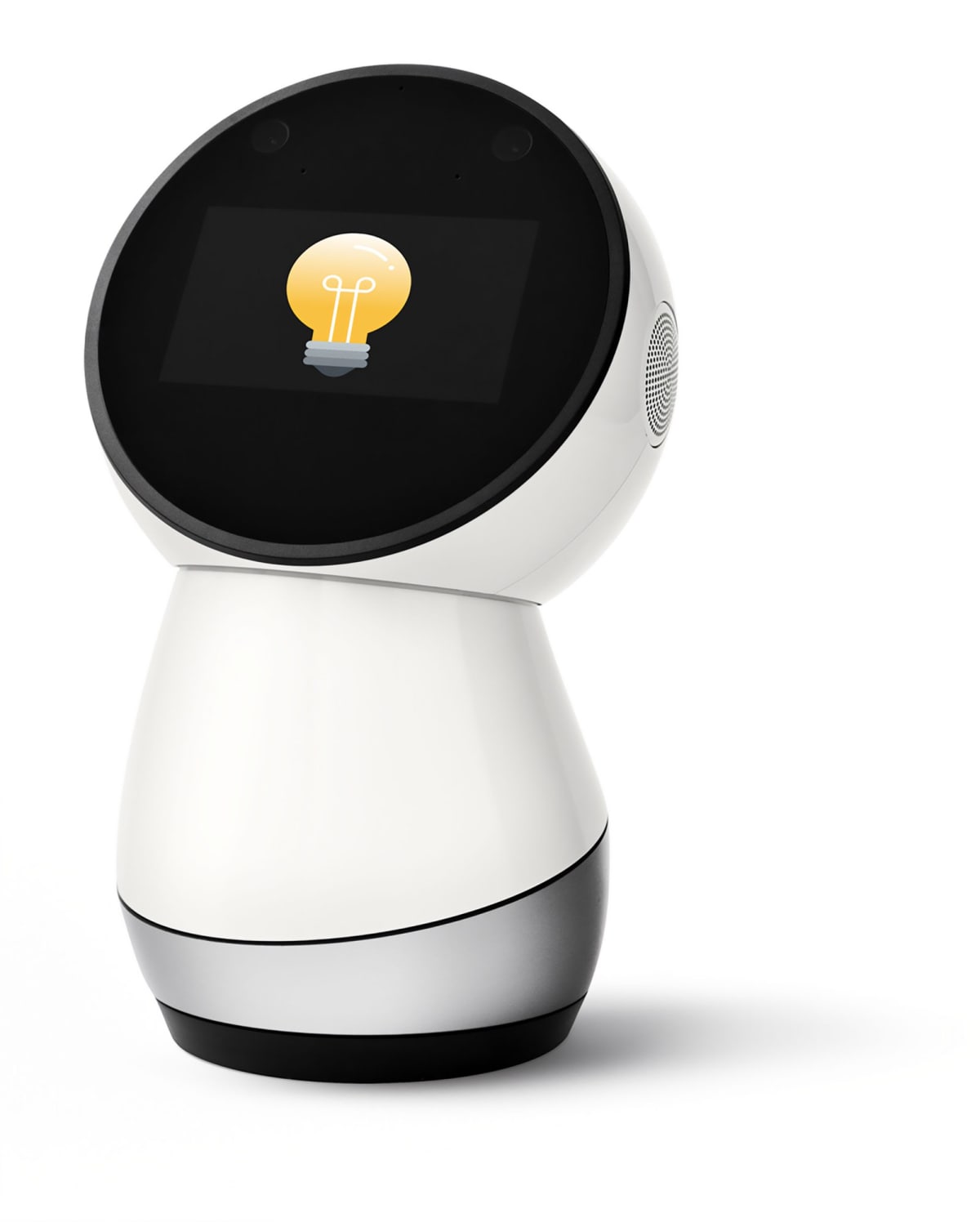
MIT researcher Cynthia Breazeal was ahead of her time with Jibo, a friendly robot assistant launched in 2014. It looked like a lamp and could chat with families, but ultimately shut down in 2019 because its scripted conversations felt robotic and boring. Today's AI-powered voice systems are engaging and natural, making social robots finally feasible.
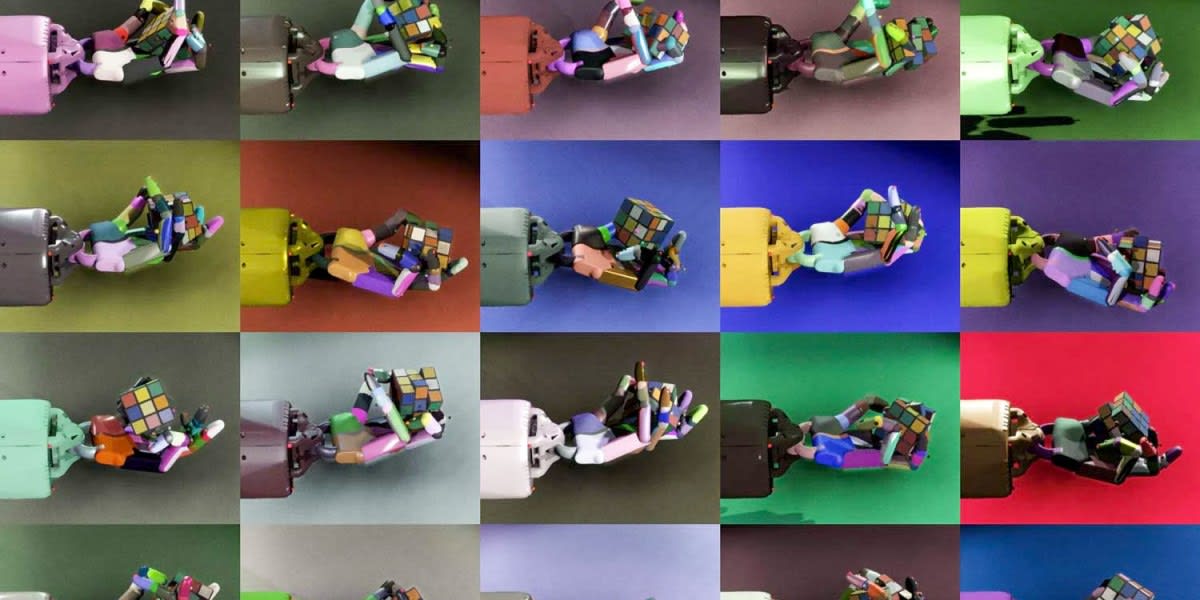
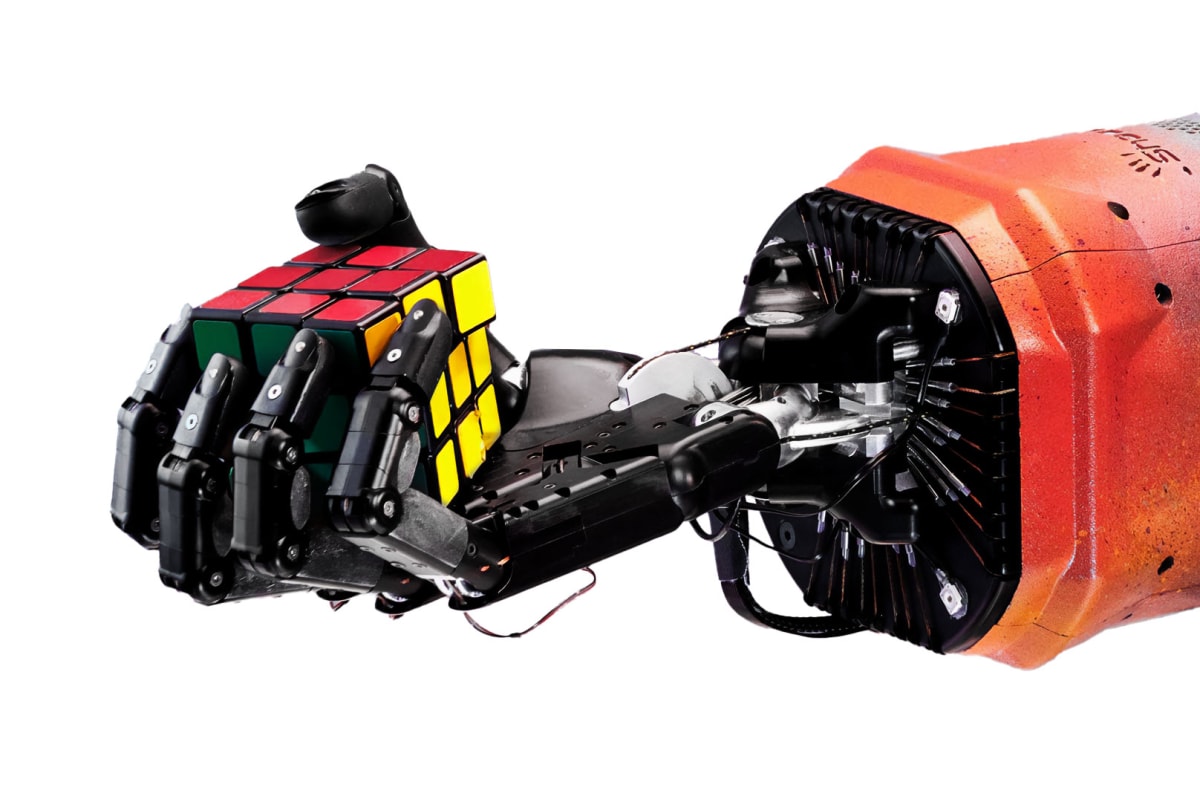
OpenAI tackled another challenge with its robotic hand called Dactyl in 2018. The team trained it virtually to rotate cubes, but faced a problem: robots that work perfectly in digital simulations often struggle in the real world where colors, textures, and physics vary slightly.
Why This Inspires
These breakthroughs mean robots could soon help people with mobility challenges live independently, keep isolated seniors company, or take over jobs too dangerous for humans. The technology that once seemed like pure science fiction is becoming real, practical, and helpful.
Silicon Valley is dreaming big again, but this time the dreams are backed by working prototypes and serious investment. The robots that will transform our lives aren't just coming—they're learning right now.
More Images
Based on reporting by MIT Technology Review
This story was written by BrightWire based on verified news reports.
Spread the positivity!
Share this good news with someone who needs it