Robots Speed Stroke Recovery at Home and in Hospitals
New robotic therapy systems are helping stroke survivors rebuild movement faster through AI-powered exercises that can now happen at home. The technology is making personalized rehab accessible to patients who previously struggled to get consistent care.
📺 Watch the full story above
Every 40 seconds, someone in America has a stroke, and the path back to normal movement can take months or years. Now robots powered by artificial intelligence are helping survivors regain control of their bodies faster than ever before.
These aren't futuristic machines. They're practical therapy tools already working in clinics and homes across the country, guiding patients through thousands of repetitions that rebuild damaged brain pathways.
The secret lies in how our brains heal. After a stroke disrupts neural connections, the brain can rewire itself through a process called neuroplasticity. The catch is that rewiring requires intense, consistent, repetitive movement, which traditional therapy sessions struggle to provide enough of.
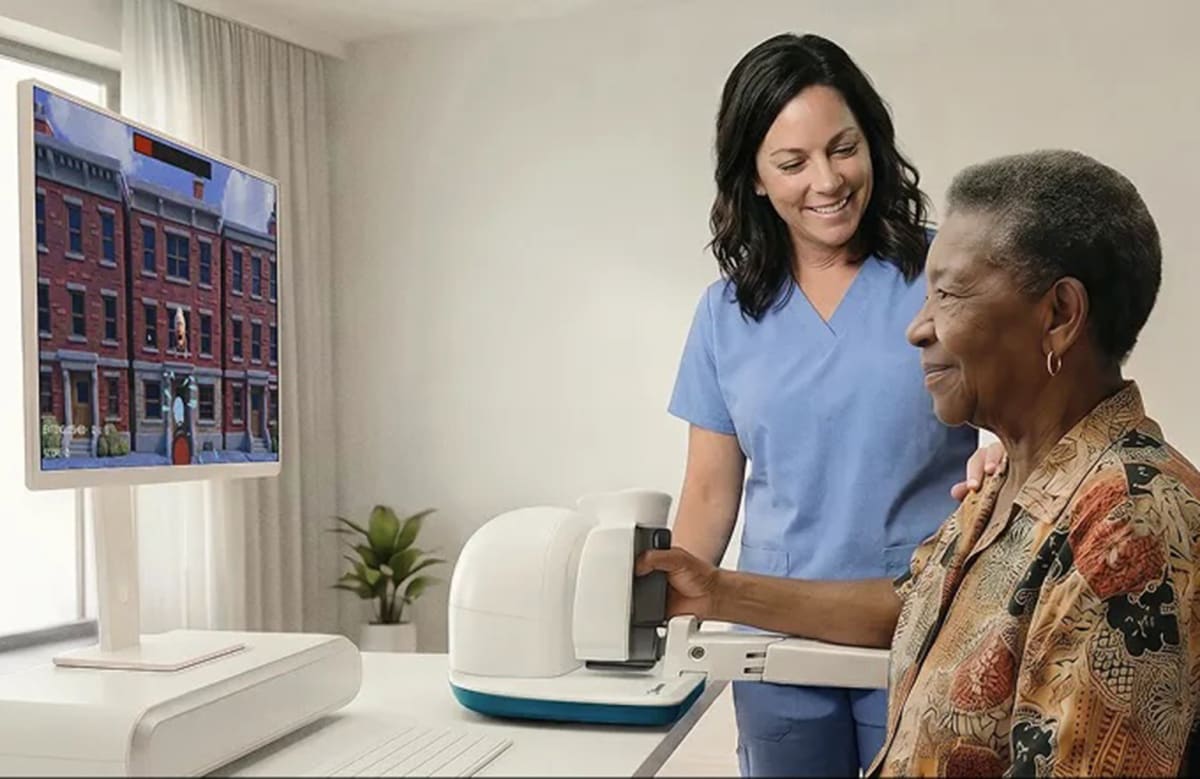
Robotic rehabilitation devices solve that problem by delivering precisely controlled movements during every session. Sensors track each motion while AI algorithms adjust resistance and difficulty in real time based on how the patient performs.
Some advanced systems use a technique called error augmentation that actually makes recovery faster by amplifying mistakes. Instead of guiding patients toward perfect movements, these robots intentionally exaggerate errors so the brain receives stronger signals to correct itself. Research in Frontiers in Neuroscience shows this approach engages the cerebellum and other brain regions more effectively than traditional methods.
The AI component personalizes everything. The systems detect subtle improvements, identify when patients get tired, and recommend exercise adjustments. They can even predict recovery timelines using data from thousands of previous patients.
Gamification features transform tedious repetitions into interactive challenges that keep people motivated for the long haul. When therapy feels more like progress than punishment, patients stick with it.
The Ripple Effect
The biggest breakthrough might be portability. Compact robotic devices and wearable sensors now let patients continue intensive therapy at home between clinic visits.
This matters enormously for rural communities and people facing transportation challenges or insurance limitations. Specialized neurorehabilitation services have always been concentrated in major medical centers, leaving many survivors without consistent access to care.
Home systems connect to therapists remotely, allowing clinicians to monitor progress and adjust programs without requiring constant in-person appointments. Patients in isolated areas can now receive the same quality of repetitive, data-driven therapy as those living near major hospitals.
As healthcare systems face growing demand for neurological care and therapist shortages, these robots aren't replacing human care providers. They're extending their reach and multiplying the impact of every therapy hour.
The technology represents a fundamental shift from one-size-fits-all rehabilitation protocols to adaptive programs that meet each survivor exactly where they are in their recovery journey.
Stroke survivors who once faced inconsistent therapy and uncertain outcomes now have tireless robotic partners helping them reclaim movement one repetition at a time.
More Images


Based on reporting by The Robot Report
This story was written by BrightWire based on verified news reports.
Spread the positivity!
Share this good news with someone who needs it