Rochester Scientists Target Early Vision Loss in AMD
Researchers at University of Rochester Medicine received NIH funding to develop a breakthrough treatment that could stop macular degeneration before it steals vision from millions of older adults. The new therapy targets a protein that drives the disease at its earliest stages.
Scientists may have found a way to stop one of the most common causes of blindness before it robs millions of older adults of their sight.
Researchers at University of Rochester Medicine are developing a new treatment for age-related macular degeneration (AMD), the leading cause of vision loss in people over 50. Unlike current therapies that only slow damage in advanced stages, this approach could prevent the disease from progressing in the first place.
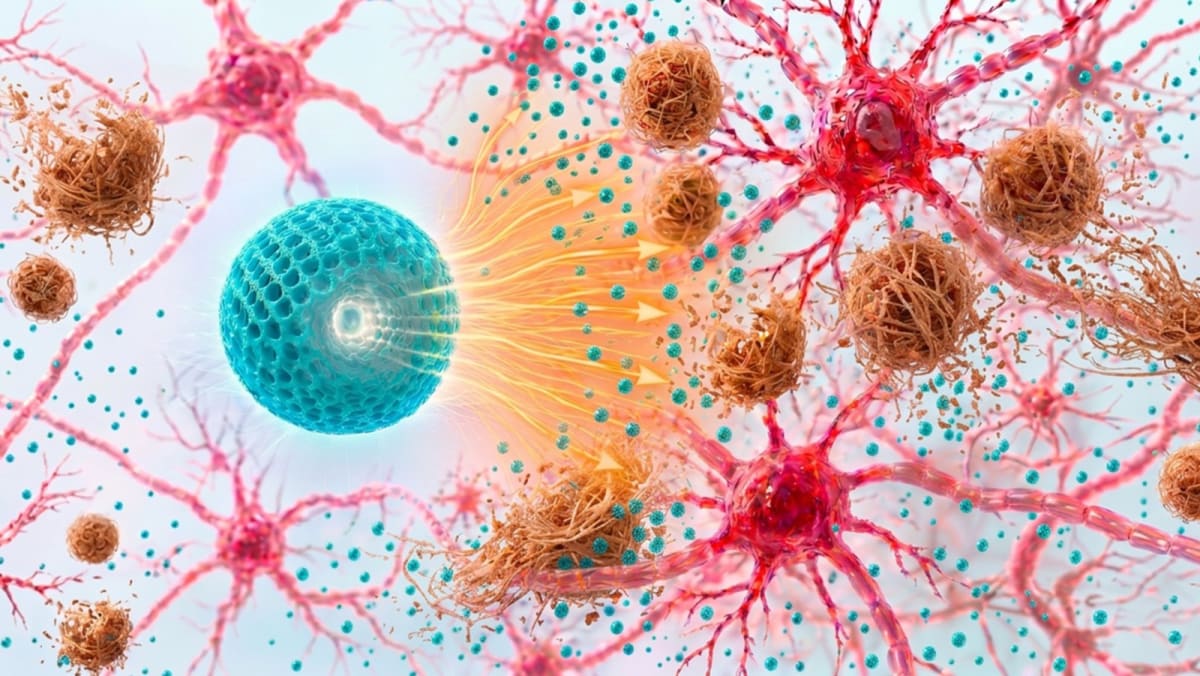
Dr. Ruchira Singh and her team at the Flaum Eye Institute identified a protein called sPLA2-IIA that appears to trigger the harmful changes in the retina. Using stem cells from actual patients, they traced how elevated levels of this protein lead to drusen, the early deposits that mark the beginning of AMD.
AMD attacks the macula, the part of the eye responsible for reading, driving, and recognizing loved ones' faces. Current FDA-approved treatments offer limited help and often come with side effects, leaving many patients watching their vision slowly disappear.
The new therapy uses small molecules to eliminate the problem protein with precision. This targeted approach could work at much lower doses and cause fewer side effects than traditional drugs.
The National Institutes of Health recognized the promise of this research with a special grant through its Blueprint Neurotherapeutics Network. This program doesn't just provide funding but connects researchers with specialized experts who can help move discoveries from the lab to actual patients.
The Ripple Effect
Beyond AMD, this treatment could help patients with related macular diseases that share similar features. The precision approach Singh's team is pioneering could also offer a model for treating other diseases where proteins go rogue.
If successful, the therapy would mark a fundamental shift in how doctors treat vision loss. Instead of managing symptoms after significant damage occurs, they could intervene early and change the disease trajectory entirely.
For the 20 million Americans living with AMD, this research offers something current treatments cannot: the possibility of stopping vision loss before it starts. Early intervention could mean the difference between independence and disability, between seeing grandchildren's faces clearly and watching the world fade to blur.
Singh's vision extends beyond just slowing disease progression. "Ultimately, our goal is to at least preserve vision and ideally improve vision," she said.
The team is now working to refine the therapy and move it through the necessary steps toward human trials, bringing hope that future generations might never experience the gradual darkness that AMD brings today.
More Images

Based on reporting by Google News - New Treatment
This story was written by BrightWire based on verified news reports.
Spread the positivity!
Share this good news with someone who needs it