Roger Tory Peterson's 1934 Bird Guide Changed Conservation
The naturalist who taught millions to identify birds without shooting them was born 118 years ago today. His revolutionary field guide sold out in one week and sparked a conservation movement that continues today.
📺 Watch the full story above
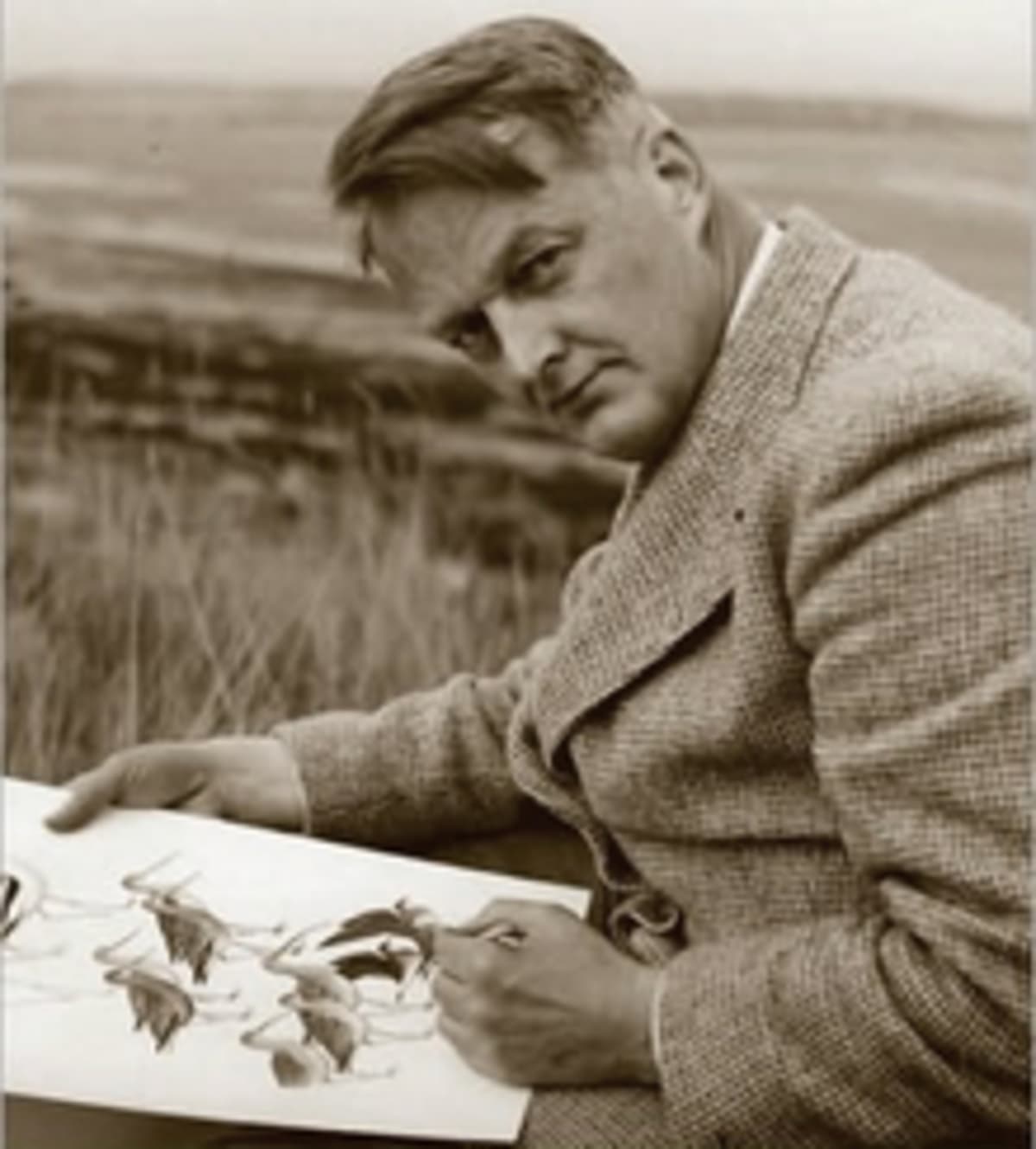
A 25-year-old artist published a book in 1934 that changed how humans see the natural world forever.
Roger Tory Peterson's Guide to the Birds flew off shelves in its first week, introducing readers to a revolutionary idea: you could identify birds by observing them alive. Before Peterson, most naturalists followed John James Audubon's approach, shooting birds to study them up close.
Peterson's genius was simple but transformative. He created the Peterson Identification System, which highlighted easy-to-spot visual features he called "field marks." A red breast here, a white wing stripe there. His drawings showed exactly what birdwatchers would see through their binoculars in the wild.
One expert called it "the greatest invention for naturalists since the binoculars." The comparison makes sense when you consider the impact. Peterson didn't just teach people about birds. He gave them a tool that made the natural world accessible and exciting.
The field guide series eventually expanded beyond birds to cover rocks, seashells, reptiles, and medicinal plants. Each guide followed Peterson's practical approach, prioritizing what ordinary people would actually notice over complex scientific jargon.
Peterson's work earned him the Presidential Medal of Freedom and countless other honors. But his real legacy lives in the millions of people who picked up binoculars because of his books.
The Ripple Effect
Peterson sparked something bigger than bird identification. He helped launch the modern environmental movement by making nature observation a hobby anyone could enjoy. When people learn to identify the creatures around them, they start caring about protecting them.
His approach inspired generations of field guides across every scientific discipline. Today, apps and websites still use his fundamental insight: show people what they'll actually see, and they'll want to learn more.
The timing mattered too. Peterson published during the Great Depression when Americans desperately needed affordable ways to find joy. His guide offered exactly that: a window into beauty that existed right outside their doors.
Born on this day in 1908, Peterson spent his life proving that conservation starts with curiosity. You don't need a PhD to appreciate nature. You just need someone to show you what to look for.
His revolutionary idea remains powerful: the best way to protect the natural world is to help people fall in love with it first.
More Images
Based on reporting by Good News Network
This story was written by BrightWire based on verified news reports.
Spread the positivity!
Share this good news with someone who needs it