%2Fhttps%3A%2F%2Ftf-cmsv2-smithsonianmag-media.s3.amazonaws.com%2Ffiler_public%2Fd7%2Fbc%2Fd7bc1d8e-4889-4256-b8ab-6c594c1114f4%2Fbarrow.jpg)
Roman Villa and 'Norfolk Nessie' Found in England
Archaeologists building a wind farm cable route discovered a hidden Roman villa, bathhouse, and a serpent-shaped bronze handle nicknamed "Norfolk Nessie." The site reveals 2,000 years of Norfolk history, from Iron Age settlements to medieval villages.
Sometimes the best discoveries happen when you least expect them. Archaeologists working on a wind farm cable route in Norfolk, England thought they'd find nothing of interest based on historical maps and surveys, but they uncovered a sprawling Roman villa that tells the story of life nearly 2,000 years ago.
The team from Headland Archaeology made the discovery near Dereham during trial trenching in 2021. Jessica Lowther recalls they knew something important was buried there because Roman roof tiles kept appearing in the soil.
What emerged was a wealthy farming estate dating to around 250 CE, complete with multiple buildings, a bathhouse, and even a Roman road. Evidence of food growing and processing suggests this was a thriving agricultural center during the Roman occupation of Britain.
Among the treasures uncovered was a bronze vessel handle shaped like a serpent. Its curved form and green patina reminded researchers of Scotland's legendary Loch Ness monster, earning it the playful nickname "Norfolk Nessie." Other finds included a silver ring and a bronze lion's head that once served as a decorative chair foot.
The villa wasn't the only surprise along the 40-mile cable route. Excavations revealed Neolithic pottery and stone tools, Bronze Age burial mounds, and abandoned medieval villages documented in the famous Domesday Book of 1086.
The Ripple Effect
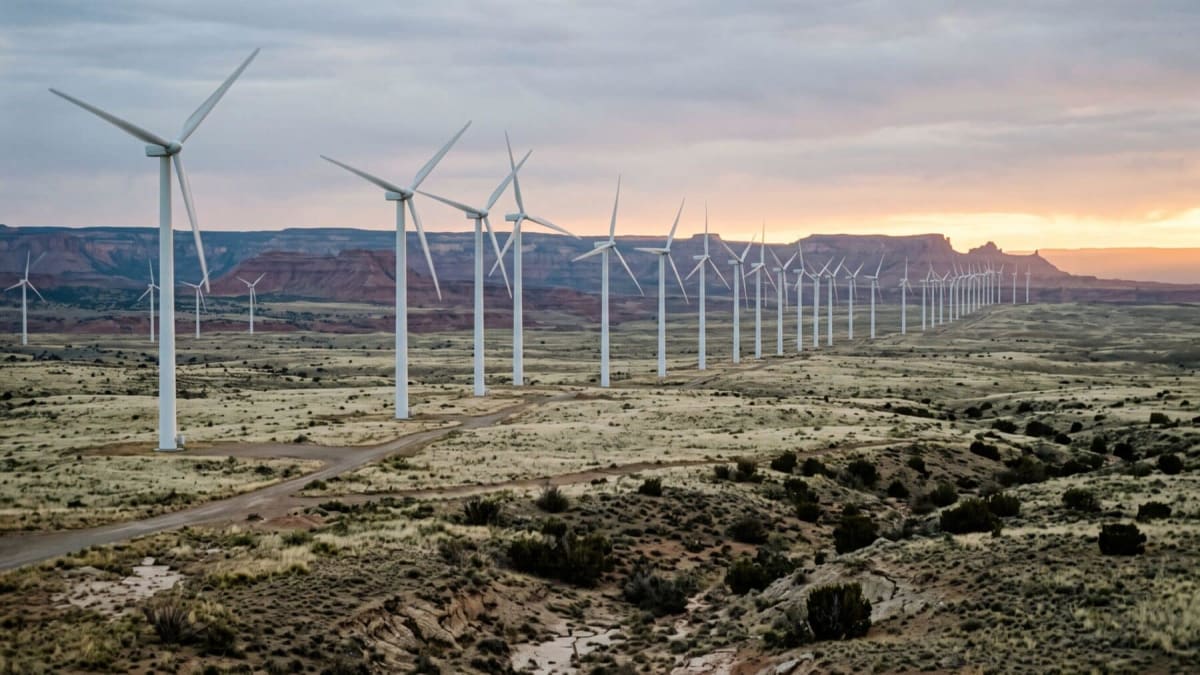
This discovery shows how modern renewable energy projects can protect the past while building for the future. The archaeological campaign documented Norfolk's rich heritage before construction began, and the villa has been carefully reburied to preserve it for future generations.
RWE, the energy company behind the wind farm, hosted community events in March where locals explored the finds through augmented reality experiences. Animal bones, grains, and oyster shells from the site are helping researchers understand how people lived, farmed, and traded across centuries.
Project director Jon Darling emphasizes that careful archaeological work can sit alongside infrastructure development. The discoveries protect Norfolk's heritage while supporting the transition to clean energy.
The finds also illuminate a dramatic chapter in British history. The Romans arrived in Norfolk in 43 CE and stayed for nearly four centuries, transforming the landscape before departing in 410 CE to deal with conflicts in mainland Europe.
Today, this ancient farming estate reminds us that beneath our feet lies countless untold stories, waiting for the right moment to resurface.
More Images
%2Fhttps%3A%2F%2Ftf-cmsv2-smithsonianmag-media.s3.amazonaws.com%2Ffiler_public%2Fd7%2Fbc%2Fd7bc1d8e-4889-4256-b8ab-6c594c1114f4%2Fbarrow.jpg)
%3Afocal(750x500%3A751x501)%2Fhttps%3A%2F%2Ftf-cmsv2-smithsonianmag-media.s3.amazonaws.com%2Ffiler_public%2Fd7%2Fbc%2Fd7bc1d8e-4889-4256-b8ab-6c594c1114f4%2Fbarrow.jpg)
%2Fhttps%3A%2F%2Ftf-cmsv2-smithsonianmag-media.s3.amazonaws.com%2Ffiler_public%2Fd5%2F60%2Fd560d7a0-49a6-47ac-bea8-cf47bc0d92f2%2Fvilla.jpg)
%2Fhttps%3A%2F%2Ftf-cmsv2-smithsonianmag-media.s3.amazonaws.com%2Faccounts%2Fheadshot%2Fmellon.png)
Based on reporting by Smithsonian
This story was written by BrightWire based on verified news reports.
Spread the positivity!
Share this good news with someone who needs it