Romania Cuts Carbon 88% While Growing Its Economy
Romania has slashed its carbon emissions by 88% since 1990 while growing its economy, proving democracies can fight pollution without sacrificing prosperity. The transformation shows what happens when transparent governance meets innovation.
A country once known as one of Europe's most polluted nations just proved that economic growth and environmental progress can go hand in hand.
Romania has reduced its carbon intensity by 88% between 1990 and 2023 while growing its economy. That's the fastest decoupling of economic growth from pollution in Europe, and possibly the world.
The story begins in 1989, when Romania emerged from communist rule as an environmental disaster zone. Decades of unchecked industrial pollution had ravaged the country that was once home to one of the world's first oil refineries in 1857.
But something remarkable happened as Romania built democratic institutions and transparent governance. Research covering 1996 to 2019 found that controlling corruption, ensuring political stability, and improving regulatory quality directly reduced pollution over time.
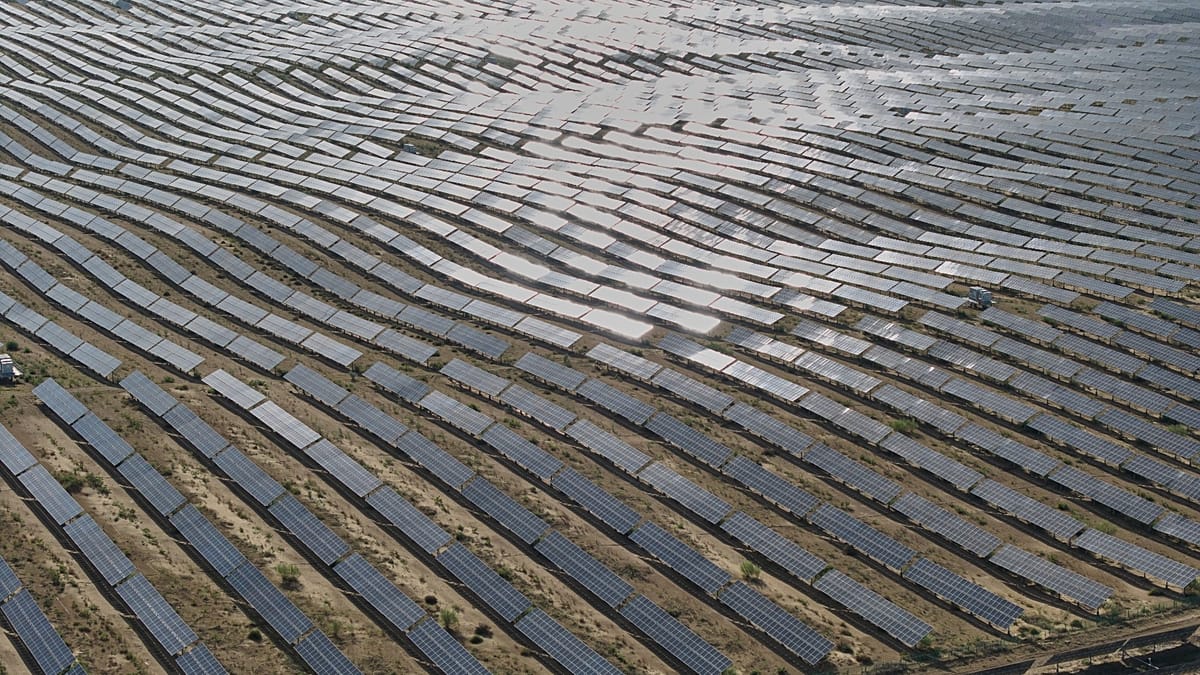
The progress accelerated after Romania joined the European Union in 2007. Access to renewable energy sources and clean technologies helped drive emissions even lower while the economy continued expanding.
Romania isn't alone in proving this model works. Between 2000 and 2023, the United States saw per capita GDP rise by 35% while carbon emissions dropped by 29%. Germany, the UK, and France all recorded similar wins with roughly 20% economic growth and 30% to 40% emissions declines.
Even China, the world's largest carbon emitter with 33% of global emissions, has reduced its carbon intensity by 12% over five years while growing its economy. Though it still lags behind Western nations in reduction rates, the trend points in the right direction.
The Ripple Effect
This shift represents more than just numbers on a chart. It proves that countries don't have to choose between prosperity and a livable planet.
Democratic systems that encourage private investment while protecting citizens and the environment are creating what experts call "climate realism." This approach focuses on innovation and commercializing low-carbon technologies rather than doomsday predictions.
Many nations continue using fossil fuels while investing in efficiency improvements and exploring cleaner alternatives. The data shows these goals aren't contradictory. Countries can pursue both economic growth and environmental health simultaneously.
The Romanian transformation offers a blueprint for other nations still building democratic institutions or transitioning away from pollution-heavy industries. When governments prioritize accountability, transparency, and innovation, citizens breathe cleaner air while enjoying better living standards.
For a country that was synonymous with pollution just 35 years ago, Romania now contributes just 0.2% of global carbon emissions while maintaining economic momentum—proof that the right systems can turn environmental disaster into sustainable success.
More Images


Based on reporting by Google News - Economic Growth
This story was written by BrightWire based on verified news reports.
Spread the positivity!
Share this good news with someone who needs it