Romania Partners With UN to Protect Migrant Children
Romania's Border Police is teaming up with three major UN organizations to create better systems for protecting vulnerable migrants, especially unaccompanied children. The collaboration signals a growing commitment to balancing border security with human rights.
Romania just took a major step forward in protecting some of the world's most vulnerable people.
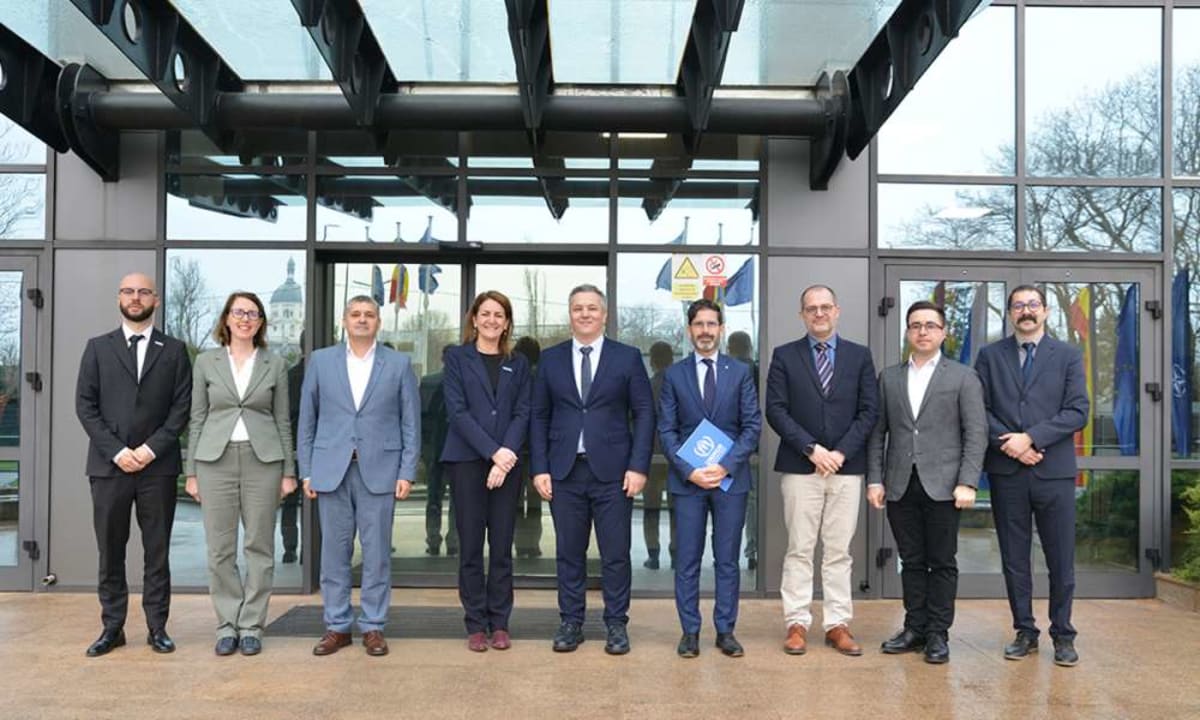
On April 2, 2026, Romania's Border Police welcomed leaders from UNICEF, UNHCR, and the International Organization for Migration to chart a more humane path for managing migration. The focus: making sure no child or vulnerable person falls through the cracks at the border.
Chief Police Quaestor Cornel Stoica led the Romanian delegation and emphasized something often lost in border discussions. Security and compassion don't have to compete.
The meeting brought together heavy hitters in humanitarian work. Anna Riatti from UNICEF, Pablo Zapata from UNHCR, and Mircea Mocanu from IOM sat down with border officials to tackle real problems with real solutions.
Their agenda centered on three concrete goals: building better systems to identify people needing international protection, strengthening safeguards for unaccompanied minors, and training border staff to handle these sensitive situations with care. These aren't abstract policy goals but practical changes that will affect real lives at Romania's borders.
The timing matters too. Romania is implementing the new Pact on Migration and Asylum, a framework designed to handle migration more effectively across Europe.
The Ripple Effect
This partnership extends far beyond Romania's borders. When one country figures out how to protect vulnerable migrants while maintaining security, it creates a blueprint others can follow.
The UN organizations committed to providing ongoing expertise and specialized training programs. That means Romanian border officers will have the tools and knowledge to spot a child traveling alone or recognize when someone needs protection.
These training programs will help staff navigate complex situations with both efficiency and empathy. A border officer who can identify a trafficking victim or connect an asylum seeker with proper resources makes the entire system work better for everyone.
Other European nations are watching this collaboration closely. As migration patterns continue to evolve, the Romanian model could influence how borders across the continent balance their dual responsibilities.
The meeting participants all reaffirmed one crucial principle: protecting borders and protecting people aren't opposite goals. With the right partnerships and training, countries can do both effectively.
Romania's approach shows that progress happens when institutions talk to each other and learn from experts who've seen these challenges worldwide.
Based on reporting by Google: cooperation international
This story was written by BrightWire based on verified news reports.
Spread the positivity!
Share this good news with someone who needs it