Romanian Gold Hoard Rewrites Bronze Age History
A metal detectorist in Romania just uncovered 3,000-year-old gold jewelry that's forcing archaeologists to rethink how ancient civilizations transitioned from bronze to iron. The treasure trove includes mysterious neck rings with decorative patterns never seen together before.
A treasure hunter scanning a remote Romanian hillside got the signal of a lifetime when his metal detector lit up over a bundle of ancient gold that's now puzzling scientists across Europe.
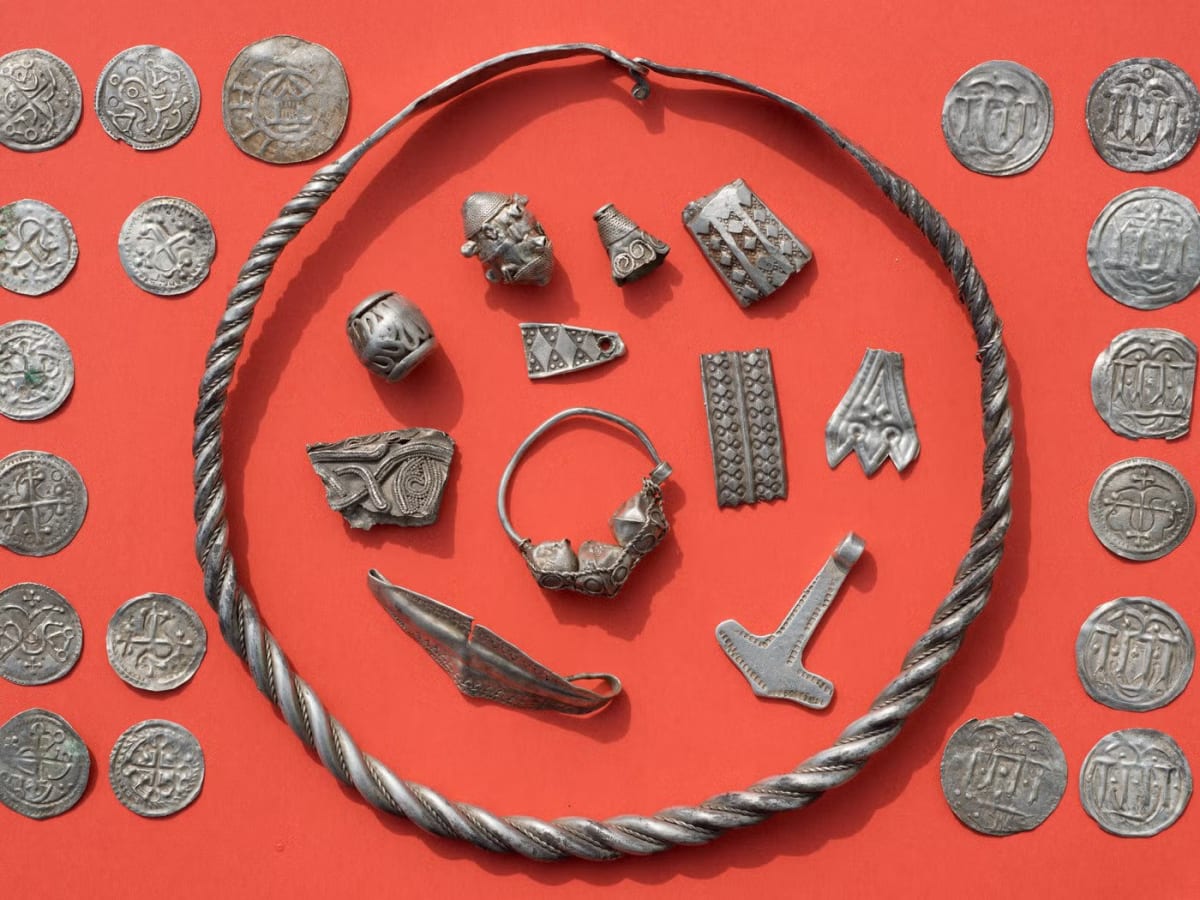
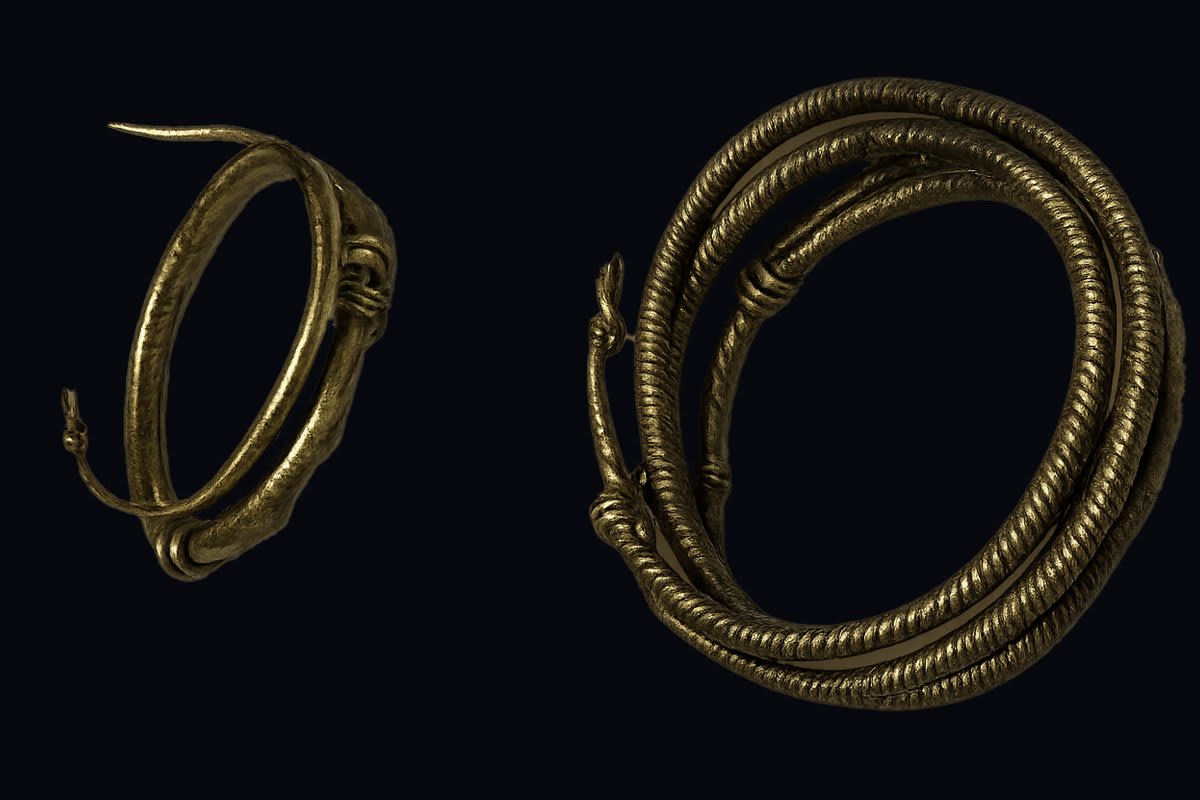
The hoard, discovered near Urlați in Prahova County, includes three gold neck rings weighing more than 320 grams, along with bronze and iron artifacts buried together about 25 centimeters underground. The detectorist immediately reported his find to authorities, and the items are now being studied at the Prahova Museum of History and Archaeology.
Here's what makes this discovery extraordinary. The artifacts show characteristics from both the late Bronze Age and early Iron Age, which shouldn't really exist together based on everything archaeologists thought they knew about this period.
Some pieces feature decorative motifs only seen on Bronze Age ceramics. Others match metalwork from completely different time periods. It's like finding a flip phone and a smartphone in the same ancient time capsule.
Archaeologist Alin Frînculeasa calls it a particularly special find because it challenges the established timeline of how prehistoric societies evolved. Did someone collect these objects over many years? Or is our understanding of this historical transition period just plain wrong?
Why This Inspires
This discovery reminds us that human history still holds countless secrets waiting to be uncovered. One person with curiosity and the right equipment just rewrote textbooks about a civilization that lived 3,000 years ago.
Researchers are now analyzing the metal content of each artifact to trace where the gold came from. Those results could reveal ancient trade networks spanning hundreds of miles and show how different communities connected three millennia ago.
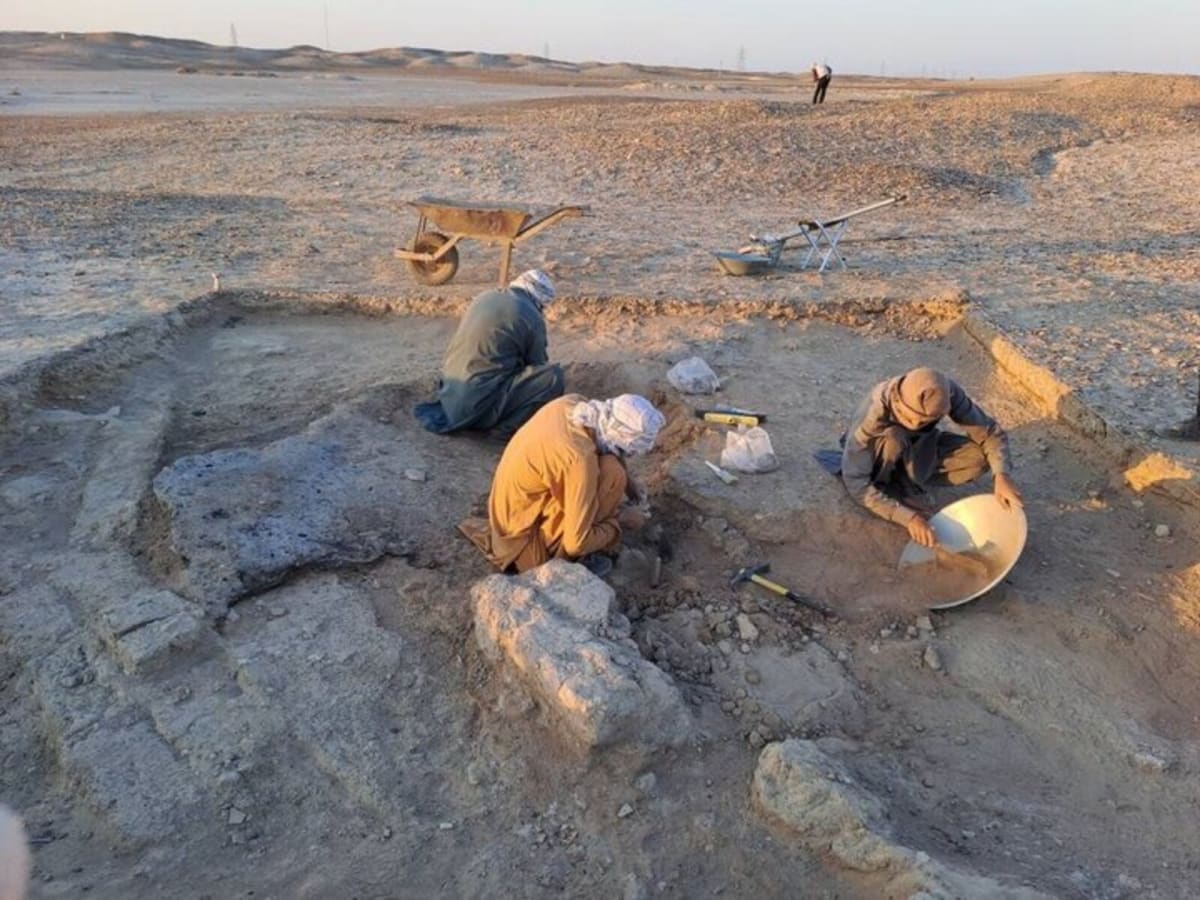
The hillside where the treasure was found is getting special attention too. Archaeologists plan to excavate the entire area to determine if it was a settlement, a ritual site, or something else entirely. No archaeological site has ever been recorded there before.
When the gold neck rings were first unearthed, experts thought they were bracelets. Closer examination revealed they'd been tightly coiled before burial, suggesting a deliberate ritual or offering rather than a simple hiding spot.
The artifacts will eventually go on public display at the Prahova Museum, giving visitors a rare window into one of Europe's most mysterious transitional periods when bronze-working societies began mastering iron.
More Images



Based on reporting by Google: archaeological discovery
This story was written by BrightWire based on verified news reports.
Spread the positivity!
Share this good news with someone who needs it