Rome Harvests Olives at the Colosseum for New Oil Brand
Workers are harvesting olives among ancient Roman ruins to create a protected regional olive oil that reconnects the city with its agricultural roots. Rome has 2,200 farms within city limits, making it Europe's largest agricultural municipality.
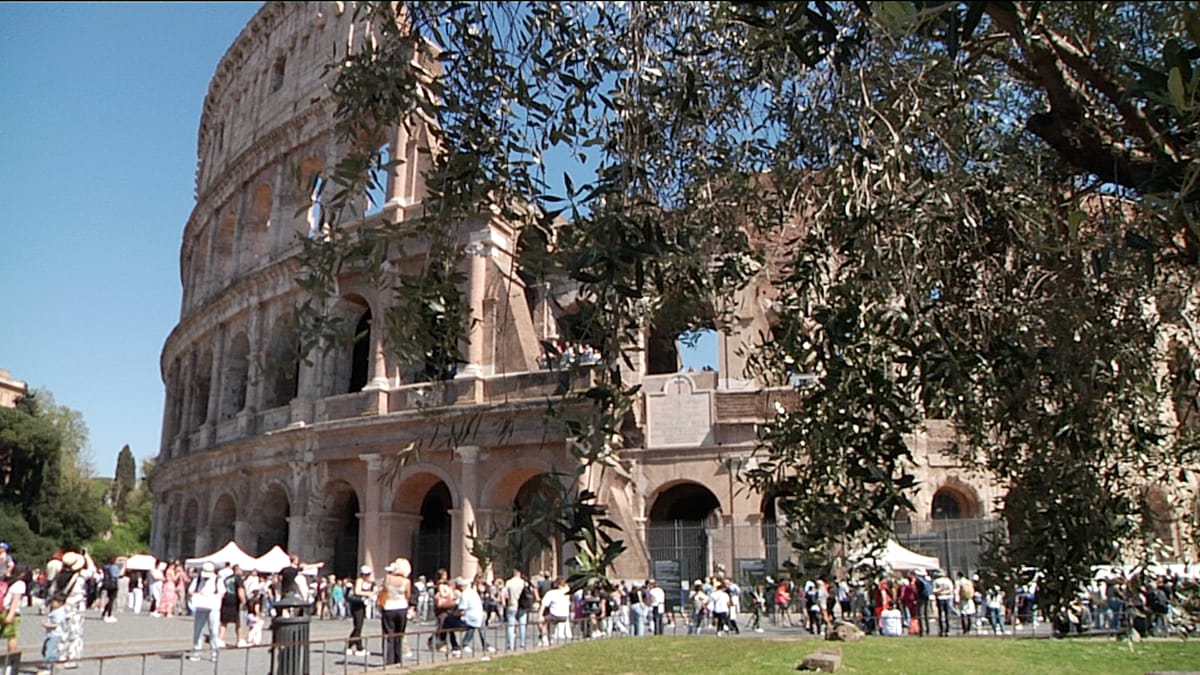
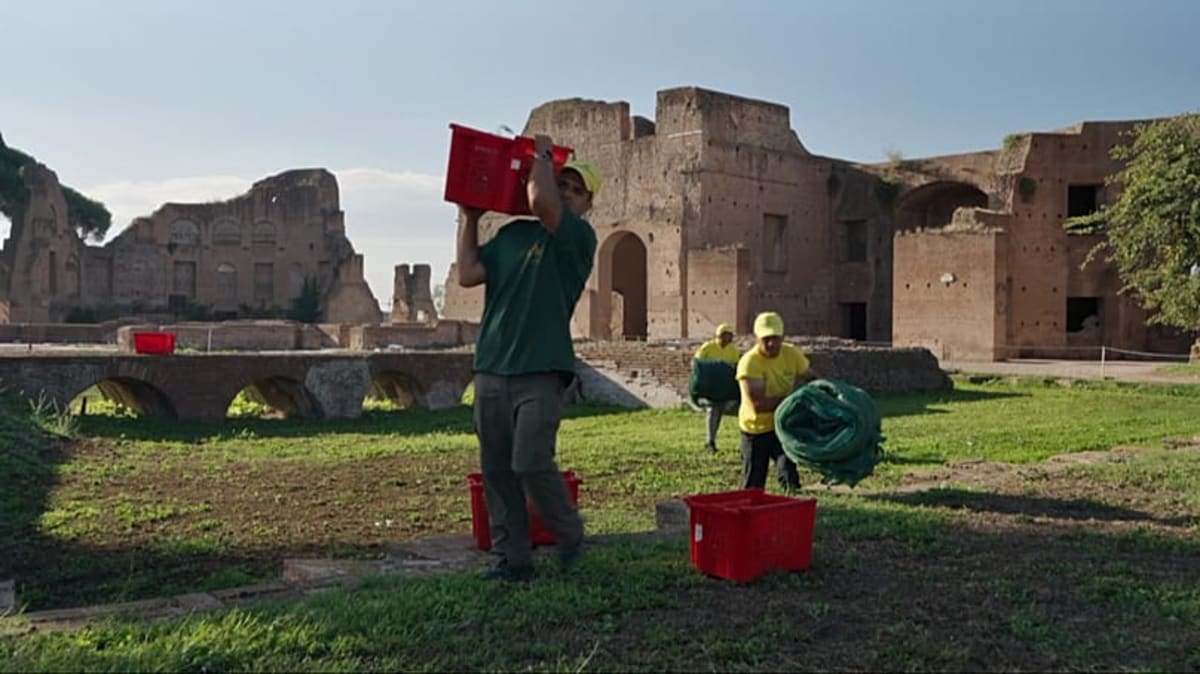
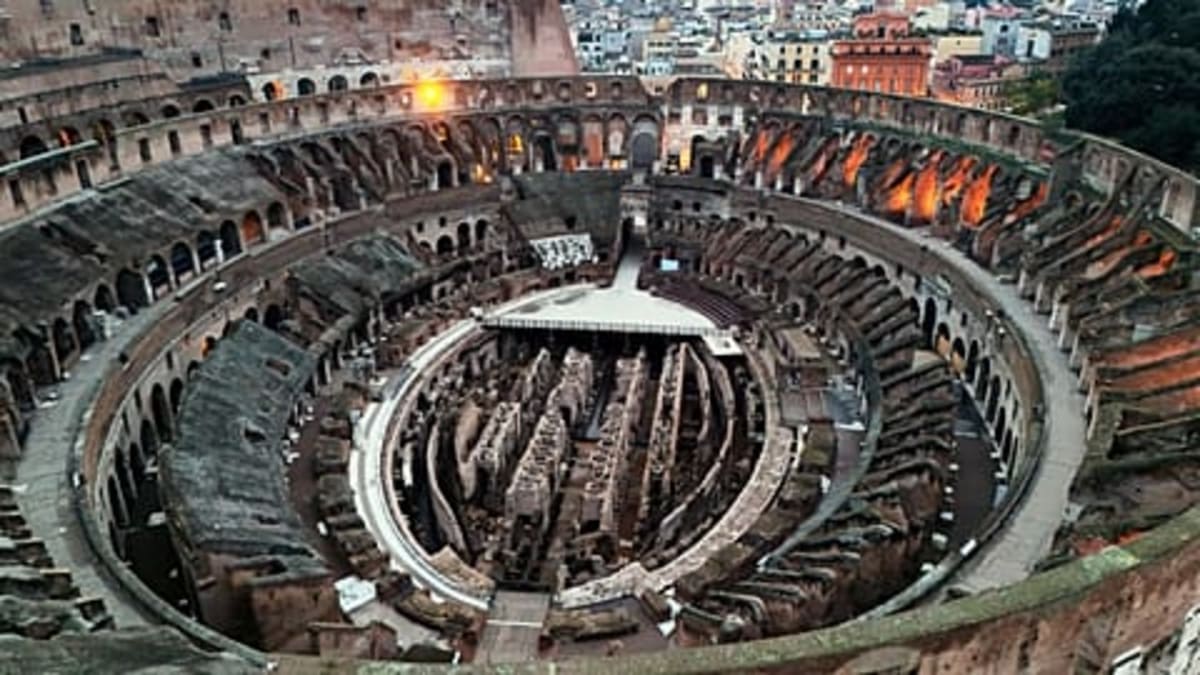
Tourists visiting the Colosseum now witness something unexpected: olive harvesters spreading green nets beneath ancient trees, gathering fruit steps away from 2,000-year-old columns.
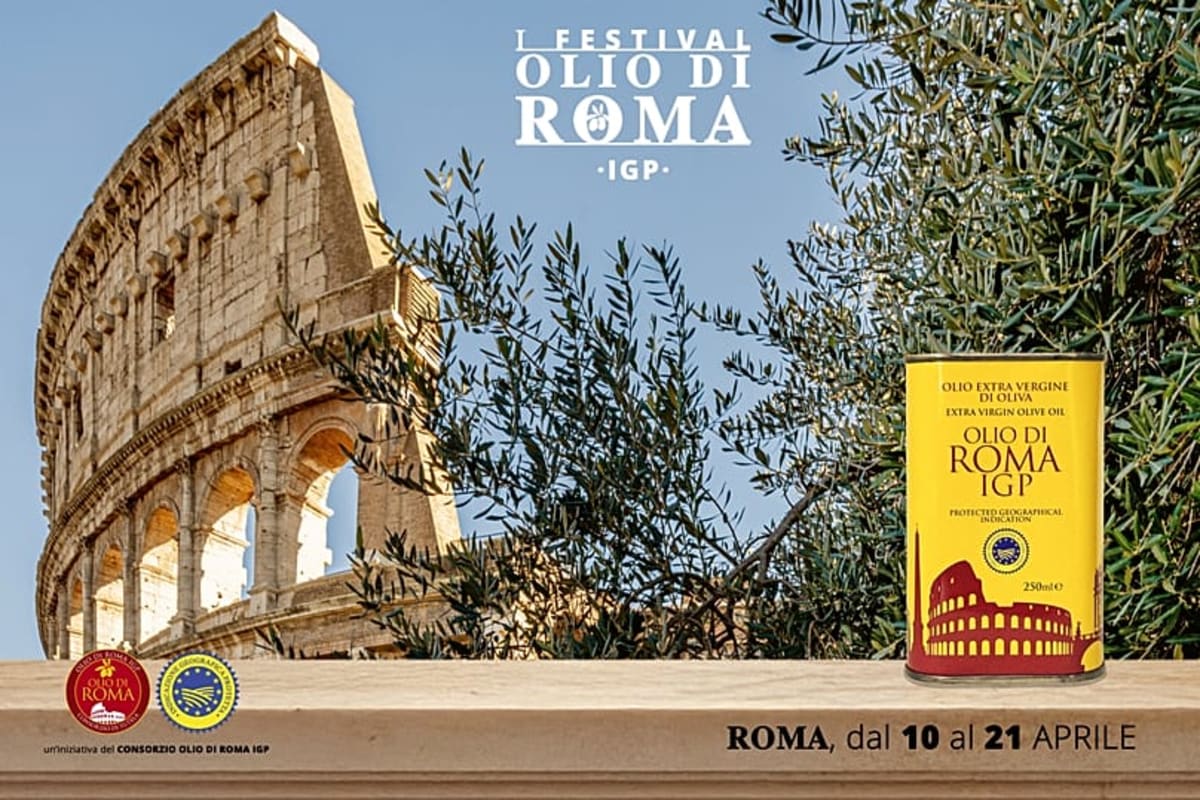
Rome is reclaiming its agricultural identity through the Olio di Roma IGP project, a Protected Geographical Indication olive oil made from trees growing in the city's archaeological parks, historic villas, and neighborhood gardens. The harvest at the Colosseum Archaeological Park launched the initiative, which has since expanded across the capital.
The numbers reveal a surprising truth about Italy's capital. One-third of Rome's territory is green space, one-third agricultural land, and one-third urbanized, with roughly 2,200 farms operating within city limits alone.
"The olive harvest in the Colosseum park was one of the first strong signals," explains Sabrina Alfonsi, Rome's Environment Councillor. The city began mapping forgotten olive groves across locations like Villa Glori and Villa Chigi, restoring about 400 trees in Villa Glori alone.
These trees tell stories of Rome's agricultural past that never fully disappeared. For centuries, olive groves dotted the landscape between monuments, largely ignored until this project brought them back into productive use.
The Olio di Roma IGP now involves a regional supply chain of 120 farms across Lazio. Strict quality standards ensure low acidity and high polyphenol content, natural antioxidants that benefit both flavor and cardiovascular health.
The Ripple Effect
The project extends far beyond oil production. Museum bookshops at the Ara Pacis and Palazzo Braschi now sell bottles alongside guidebooks, turning olive oil into a cultural souvenir that tells Rome's story.
New olive oil tourism routes called "Via dell'Olio di Roma IGP" are connecting the city with farms across the Lazio region. Visitors can follow the entire production cycle from grove to tasting, linking restaurants, museums, historic workshops, and agricultural schools into one continuous experience.
The consortium's website allows customers to browse producers and purchase directly, building transparent connections between farmers and consumers. An international distribution system is emerging, with "Rome" carrying strong appeal in global markets.
This reconnection with agriculture honors ancient Roman tradition, where olive oil served as food, lamp fuel, and the base for cosmetics. That same versatility accompanied Roman civilization throughout the Empire.
Now Rome's olive trees are speaking again, bridging the gap between archaeology and countryside, past and present, turning forgotten groves into liquid gold that tastes like history.
More Images

Based on reporting by Euronews
This story was written by BrightWire based on verified news reports.
Spread the positivity!
Share this good news with someone who needs it