Rome Opens Museum Showing 2,000-Year-Old City Mosaic
After three decades underground, the largest ancient Roman fresco and mosaic complex ever found is finally opening to the public at a new museum in Rome. The stunning maritime scenes, discovered in the 1990s near the Colosseum, still shimmer with their original blues and terracotta hues.
Imagine a 15-meter-tall mosaic so detailed you can see theatrical scenes playing out across four stories of an ancient harbor city. That's exactly what visitors to Rome can now experience at the newly opened Trajan's Baths museum.
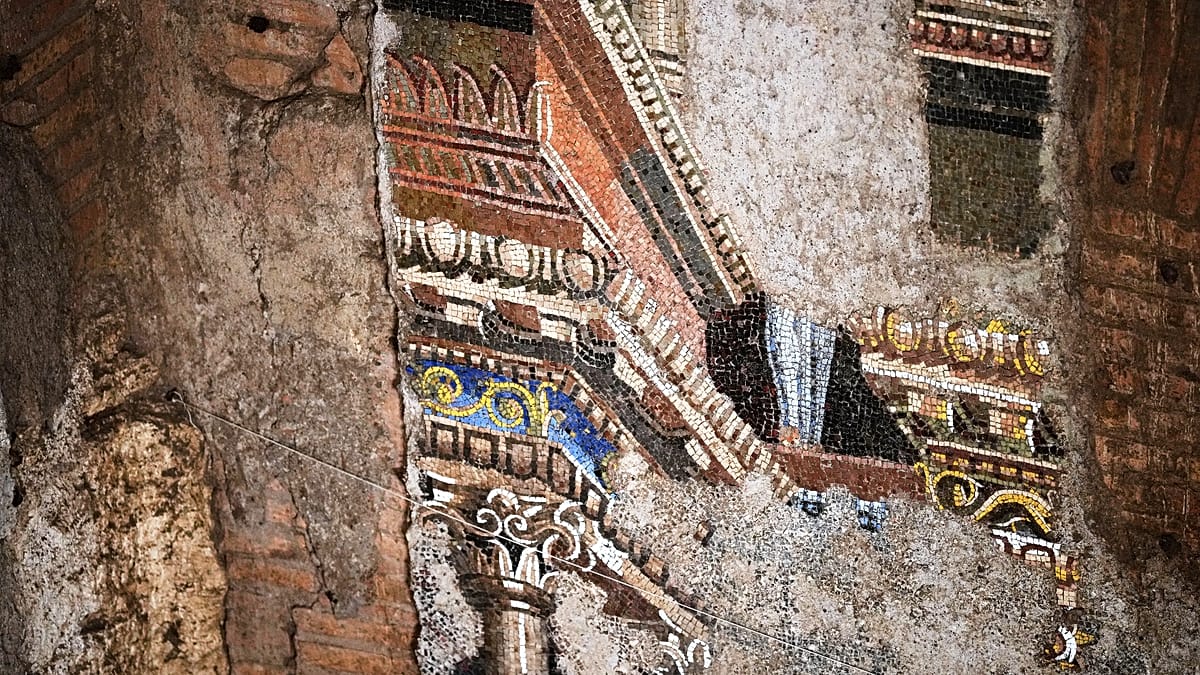
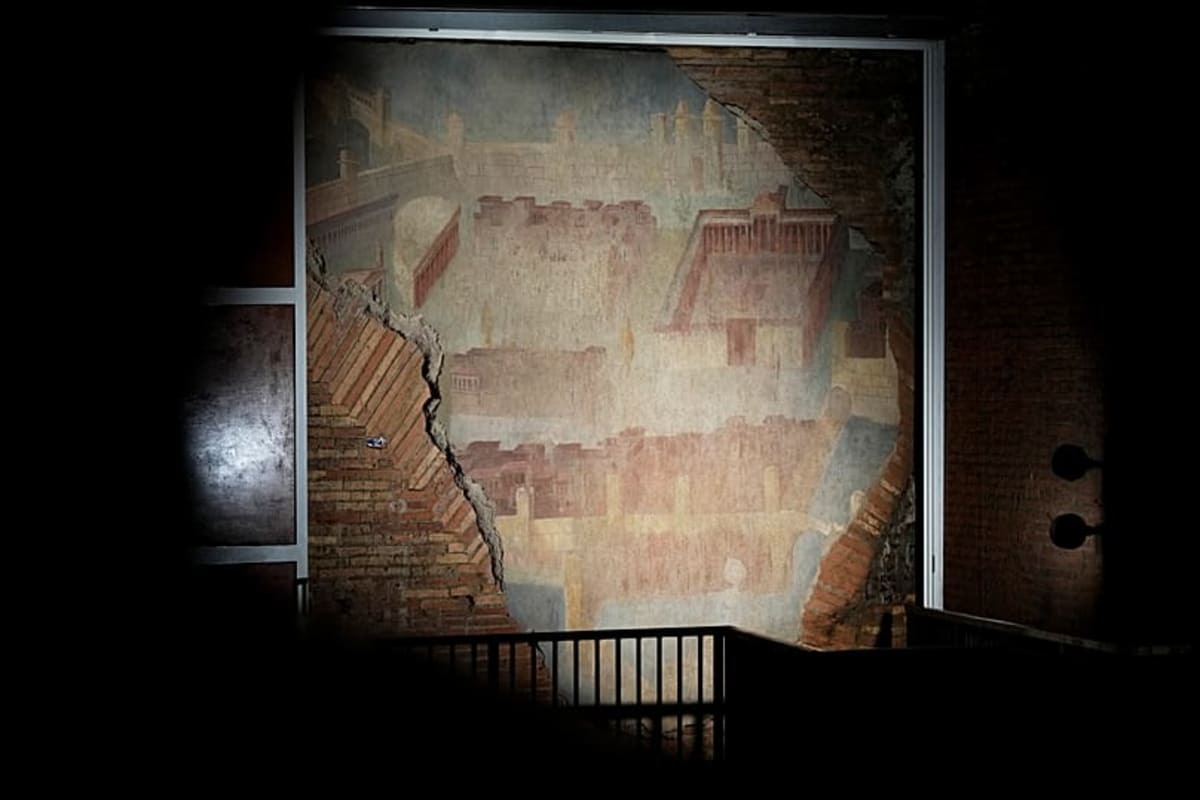
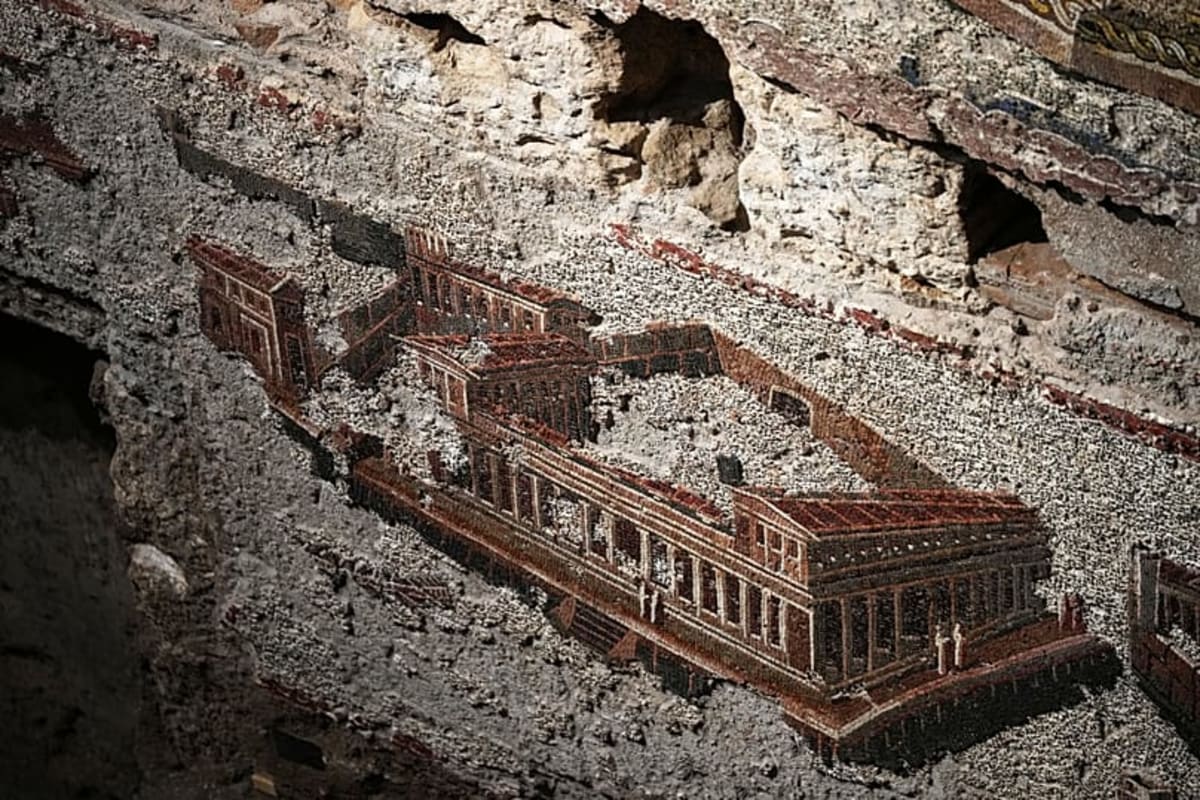
The "Great Mosaic" and "Painted City" fresco lay hidden in an underground gallery for nearly 2,000 years before archaeologists uncovered them in the 1990s. Buried beneath what was once the world's largest bath complex, these massive artworks waited another 30 years for the painstaking restoration work to finish.
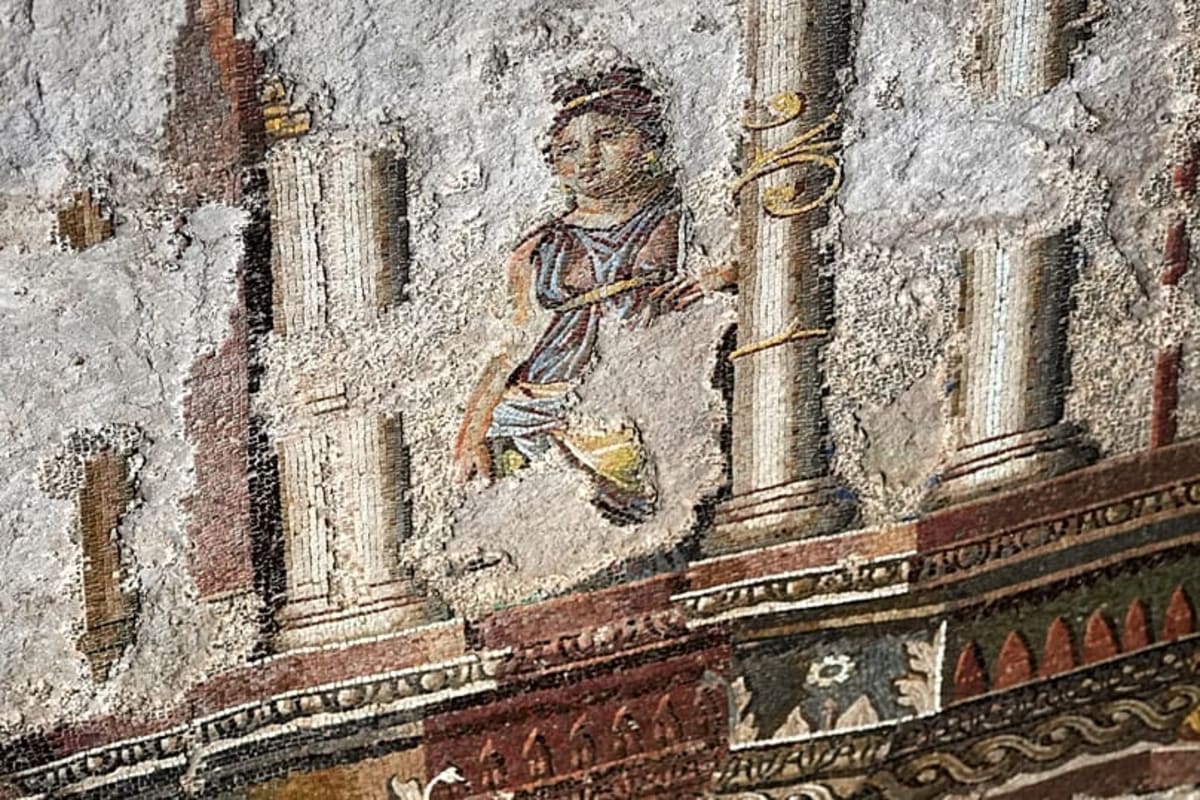
The mosaic itself is a masterpiece of ancient storytelling. The top levels show people in scenes that feel almost cinematic, while the bottom layers depict an entire port city from a bird's eye view. Intricate columns and architectural details fill every section of the 15-meter display.
The fresco covers ten square meters and shows a first-century city seen from above. Despite centuries underground, the colors remain surprisingly vibrant, though softened by time. Both pieces were originally part of structures that predated the famous Trajan's Baths, built by Emperor Trajan in 109 A.D.
Rome's mayor Roberto Gualtieri called them "truly unique in the world" for their artistic beauty and historical importance. Some scholars believe the harbor depicted might even be the final resting place of Emperor Claudius, though that remains a mystery.
Why This Inspires
This discovery reminds us that incredible treasures still wait beneath our feet, connecting us to people who lived millennia ago. The fact that these colors survived shows the skill and care ancient artists put into their work. They created beauty meant to last forever, and it did.
The opening also reflects modern dedication to preservation. Restoration teams spent decades carefully revealing these works without damaging them. Now they're creating special viewing conditions to protect the art while sharing it with the world.
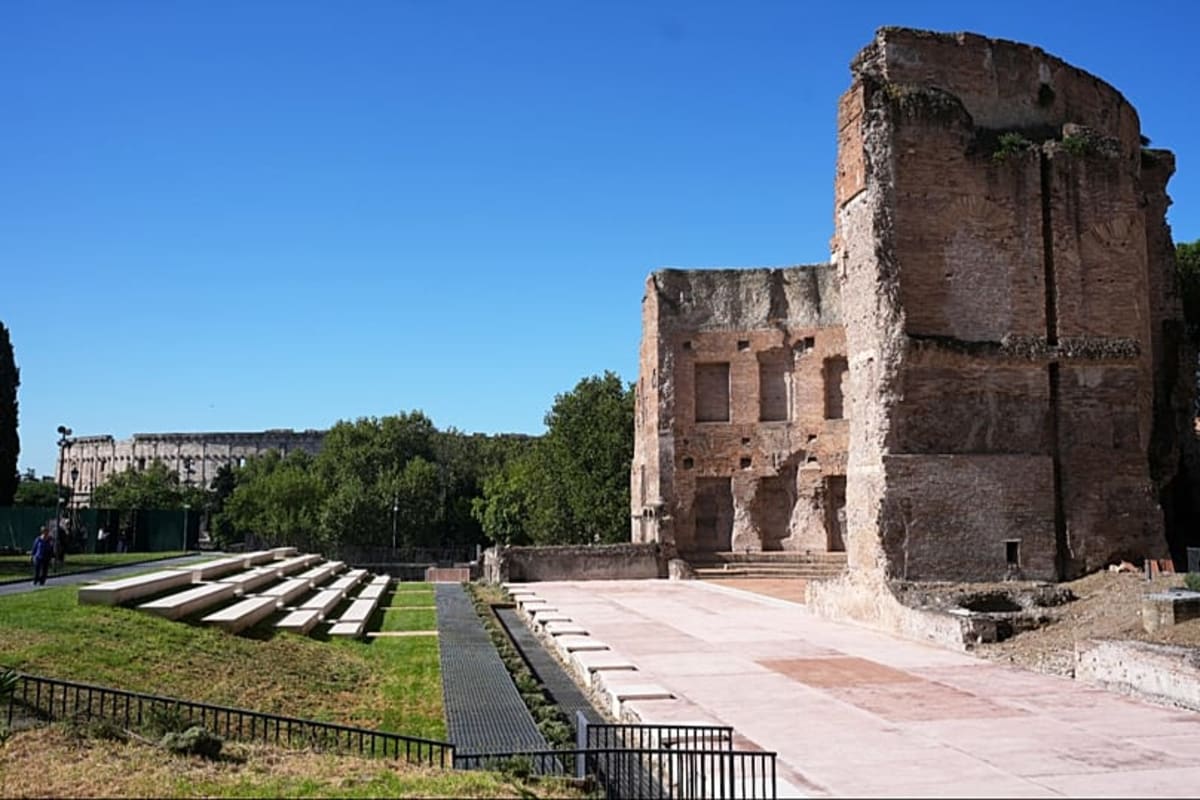
Visitors can book free guided tours starting in September, though groups are limited to 15 people to protect the delicate artworks. The site also features new walkways and seating areas for concerts and conferences, breathing fresh life into ancient spaces.
After 2,000 years in darkness, these stunning artworks are finally getting their moment in the light.
More Images
Based on reporting by Euronews
This story was written by BrightWire based on verified news reports.
Spread the positivity!
Share this good news with someone who needs it