Rooftop Rainwater Could Cool Cities and Cut AC Use
Air conditioning traps cities in a heat spiral, dumping indoor warmth outside and making streets even hotter. Scientists found a simple fix hiding on every rooftop: the rain that's already falling.
Every air conditioner in a city creates a problem while solving one. It cools the inside of a building by pushing heat outside, raising street temperatures and making neighbors turn their thermostats down even more.
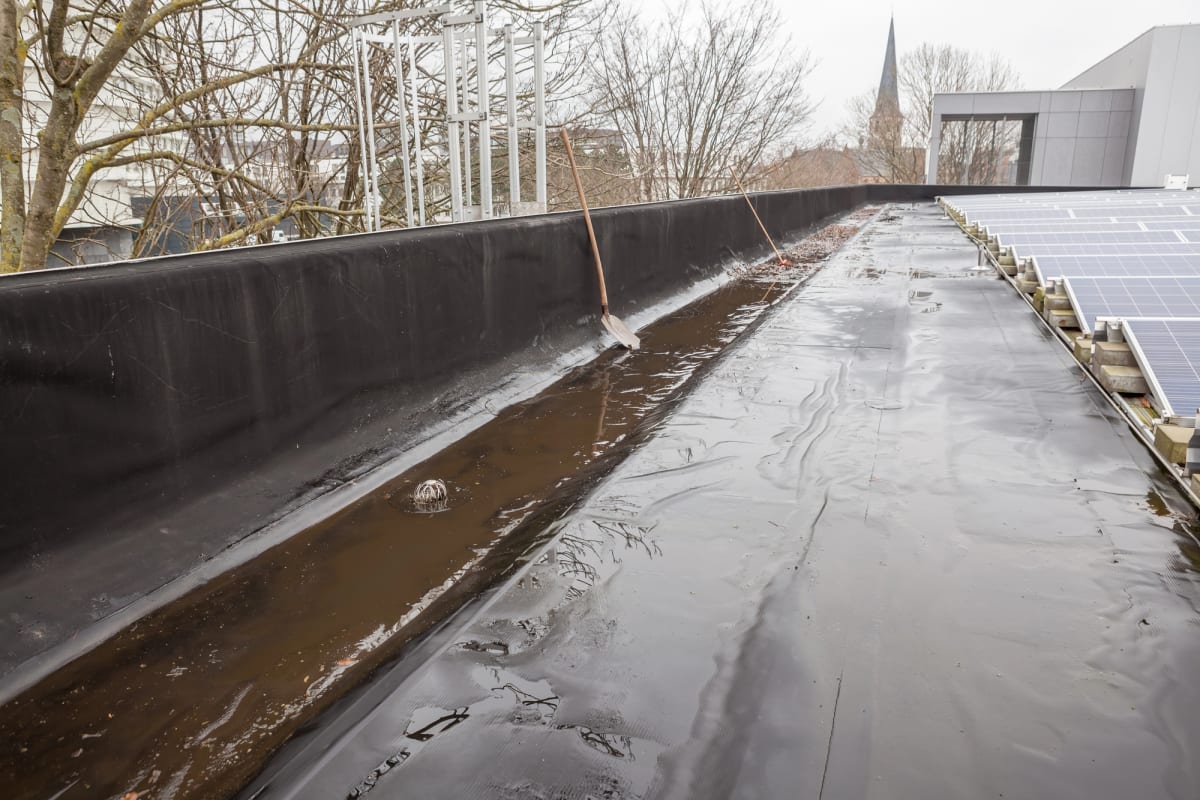
Researchers at the University of Manchester found a way to break that cycle using something cities already have plenty of: rainwater on rooftops. Their system collects rain in rooftop tanks and automatically sprays it onto building surfaces when temperatures climb.
A wet roof cools through evaporation, which means less heat seeps into the building below. Less indoor heat means the AC runs less often, and less waste heat gets dumped back into the streets where people live and walk.
The study, published in Earth's Future, used Tokyo as a test case but built the model so urban planners anywhere can evaluate how the system would work in their own cities. The results revealed something unexpected about what makes the cooling most effective.
Timing matters more than tank size. Very large water tanks produced only modest additional reductions in energy use and extreme heat days. More water didn't reliably mean more cooling either, because any excess that doesn't evaporate just pools on the surface without helping.
"Cities around the world are facing growing challenges from extreme heat," said lead author Dr. Zhonghua Zheng. "Our study shows that harvesting rainwater from roofs and using it strategically for cooling could provide a practical way to reduce both energy demand and urban temperatures."
The timing couldn't be better. Space cooling consumed around 2,100 terawatt-hours of electricity worldwide in 2022, roughly seven percent of global power use that year. The International Energy Agency projects AC installations could nearly triple over the next three decades, reaching 5.5 billion units globally.
That growth compounds the problem on multiple fronts. More installations strain electricity grids, increase emissions from power generation, and create more exposure to refrigerant leaks. The most common refrigerants trap thousands of times more heat in the atmosphere than carbon dioxide does.
The Ripple Effect
Rooftops are becoming an unexpected tool in the fight against urban heat. A 2024 study by UCL and the University of Exeter modeled what would have happened if London had painted its rooftops white during the summer of 2018, one of the city's hottest on record.
Widespread cool roofs could have reduced the city's average air temperature by around 0.8 degrees Celsius. "The resulting cooling effect across the city would save lives and improve the quality of life for residents throughout the urban area," said lead author Dr. Charles Simpson.
Rainwater harvesting and cool roofs tackle the same heat problem through different paths, one through evaporation and one through reflection. Neither requires exotic technology or major construction because the infrastructure is already up there, waiting to be used smarter.
Cities have the tools to cool themselves down without heating themselves up.
Based on reporting by Optimist Daily
This story was written by BrightWire based on verified news reports.
Spread the positivity!
Share this good news with someone who needs it