Rotterdam to Build Plant Turning 80K Tons of Plastic Waste
A new chemical recycling facility in Rotterdam will transform 80,000 tonnes of discarded plastic into usable materials each year, quadrupling the Danish company's current capacity. The plant uses breakthrough technology already proven to work efficiently while dramatically cutting emissions.
Plastic waste that once headed to landfills will soon get a second life at a massive new recycling plant in Rotterdam, Netherlands.
Danish recycling company Waste Plastic Upcycling (WPU) announced plans to build a facility that will process 80,000 tonnes of post-consumer plastic annually. That's enough to recycle roughly 3.2 billion plastic bottles every year, keeping them out of oceans and landfills.
The facility will use a specialized batch pyrolysis process that breaks down plastic into oil that can be refined and reused. WPU has already proven this technology works at their Danish plant, which currently runs near full capacity processing 20,000 tonnes yearly.
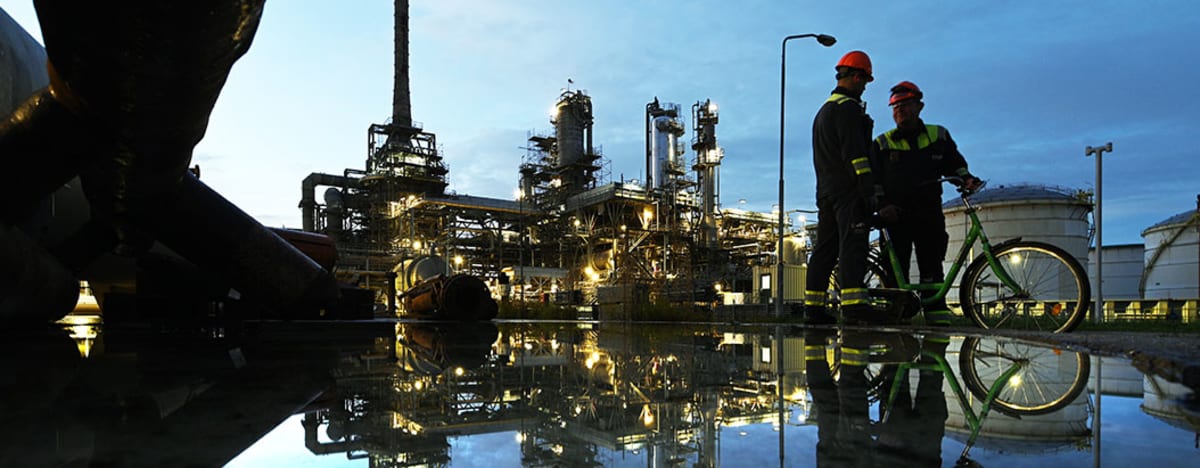
The Rotterdam location offers a strategic advantage. By building next to Vitol's existing oil refinery, the recycled plastic can flow directly into production without extra transportation or processing steps.
What makes this project especially promising is its clean operation. The plant will use advanced furnace technology already tested at Vitol's Rotterdam refinery with impressive results: nitrogen oxide emissions dropped by 50%, sulfur dioxide by 80%, and energy consumption by 40%.
The Ripple Effect
This expansion will boost WPU's total recycling capacity to 100,000 tonnes per year, quintupling what they handle today. For context, that's equivalent to keeping about 4 billion plastic bottles and containers out of the waste stream annually.
The timing couldn't be better. Europe generates millions of tonnes of plastic waste each year, and effective recycling solutions remain scarce. Chemical recycling offers hope for plastics that traditional mechanical recycling can't handle.
WPU CEO Jeffrey van Geloof sees this as just the beginning. "It would significantly expand our recycling capacity and represent the next step in scaling our technology for the European market," he said.
The project still needs regulatory approval and will include community consultations to address local concerns. The company hasn't announced a target opening date yet.
As plastic pollution continues threatening ecosystems worldwide, proven solutions operating at commercial scale offer genuine reason for optimism.
More Images



Based on reporting by Google News - Netherlands Technology
This story was written by BrightWire based on verified news reports.
Spread the positivity!
Share this good news with someone who needs it