%2Ffile%2Fattachments%2F2998%2FTL_2620489_785847.jpg)
Rugby Rivalry Becomes Cash Lifeline for SA and New Zealand
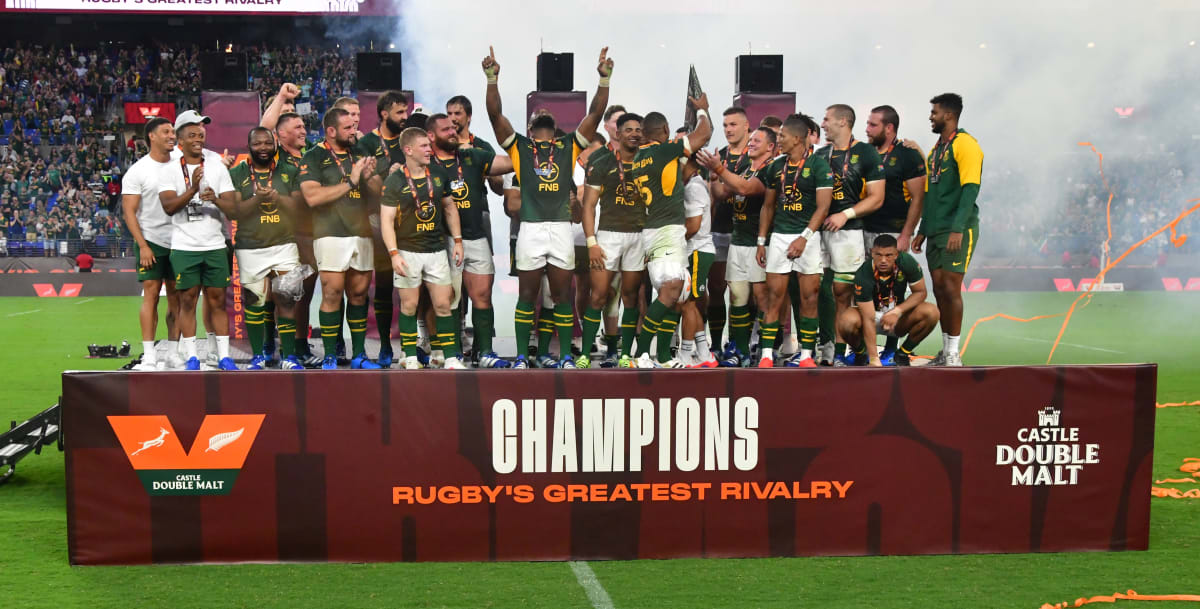
South Africa and New Zealand created a new four-year rugby series that acts like a mini World Cup for their struggling finances. The Springboks just won the first series 3-1, securing millions both nations desperately need.
When you might never host the world's biggest rugby tournament again, you create your own.
South Africa and New Zealand just wrapped up the first Rugby's Greatest Rivalry series, with the Springboks winning 3-1 in September 2026. But the real victory happened off the field, where both rugby unions secured a financial future that looked increasingly uncertain.
Neither country expects to host a Rugby World Cup again. South Africa's last bid required a R2 billion government guarantee, something the country can't justify with struggling infrastructure and high unemployment. New Zealand's small economy can't generate the massive revenue World Rugby now demands.
"World Rugby must take the World Cup to where they can make the most money," said SA Rugby CEO Rian Oberholzer. The sport's governing body needs European or Middle Eastern markets to fund its global programs.
So the two rugby powerhouses built their own solution. Rugby's Greatest Rivalry will happen every four years, alternating between countries, just like a World Cup would. The 2030 series heads to New Zealand, with 2034 already agreed for South Africa.
The timing couldn't be better, especially for New Zealand. A leaked internal document shows New Zealand Rugby facing NZ$27 million in projected losses and cash reserves dropping from NZ$144.7 million to NZ$72 million by 2031. They posted record income of NZ$304.2 million in 2025 and still lost NZ$7.5 million.
Only the All Blacks turn a profit at NZ$38 million. Every other team and competition loses money. Meanwhile, their broadcasting deal dropped from NZ$111 million to just NZ$75-80 million as rugby viewing hours fell behind the National Rugby League.
The Baltimore game alone showed why this series matters. Late ticket sales and dynamic pricing helped both unions secure crucial revenue they can count on every four years.
The Bright Side
Instead of watching their financial models crumble while waiting for World Cup hosting bids that would never come, both nations took control. They're turning their historic rivalry into sustainable income that doesn't depend on anyone else's decisions.
South Africa's finances remain stable despite a small 2025 loss, but long-term protection matters. This series provides exactly that, creating predictable revenue streams both countries can build around. The model proves that traditional powerhouses can adapt when global economics shift against them.
Captain Siya Kolisi and the Springboks didn't just win a series. They helped secure their sport's future at home, one game at a time.
More Images

%2Ffile%2Fattachments%2F2997%2FTL_2613126_888590.jpg)
%2Ffile%2Fattachments%2Forphans%2FTL_2614355_617467.jpg)
Based on reporting by Daily Maverick
This story was written by BrightWire based on verified news reports.
Spread the positivity!
Share this good news with someone who needs it

%2Ffile%2Fattachments%2Forphans%2FAthleticsDambilesuccess3_702519.jpg)