Rural Australians 12x More Likely to Face Disasters
New research shows rural Australians are nearly 12 times more likely to experience natural disasters than city dwellers, but scientists have discovered a powerful tool that helps communities cope. Mental preparation before disasters strike works just as well as physical readiness in protecting people from long-term psychological harm.
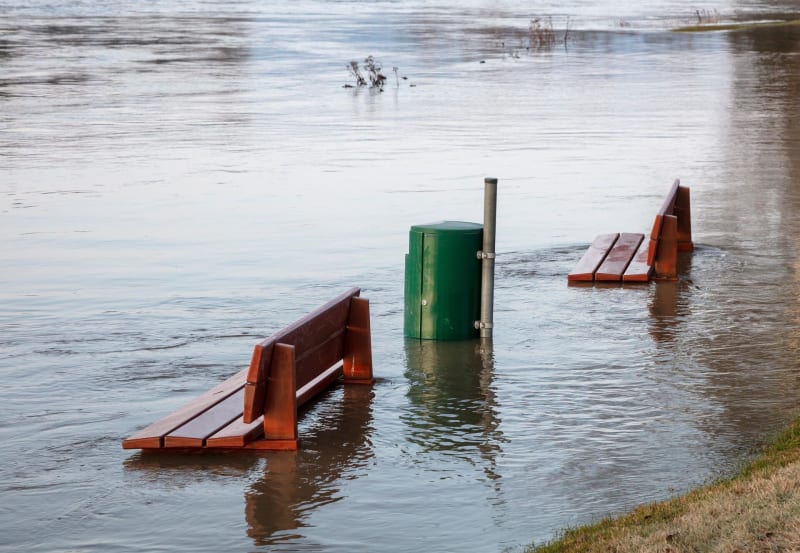
When floods tore through Victoria's Great Ocean Road in January and bushfires claimed 17 homes in nearby Gellibrand, residents who had prepared mentally for disasters handled the trauma far better than those who hadn't.
University of Melbourne researchers studying over 300 Australians have found that psychological readiness plays a critical role in how people respond to natural disasters. The findings come at a crucial time, as rural Australians now face disasters almost 12 times more often than city residents.
Dr. Robyn McNeil and her team discovered that people who felt psychologically prepared managed stress better during floods, bushfires, and droughts. This mental preparation means understanding your emotional responses ahead of time and knowing how you'll cope when disaster strikes.
The research revealed fascinating patterns about who feels most ready. Men, older adults, and people who had survived previous disasters reported higher levels of psychological preparedness. Those who took physical steps like creating emergency plans also felt more mentally prepared, suggesting that practical action builds emotional confidence too.
The Ripple Effect
The discovery matters most for rural communities struggling with fewer mental health services while facing increasing climate risks. By teaching people to prepare mentally before disasters hit, communities can reduce long-term psychological harm without waiting for more counselors or crisis centers.
The team now works with Victoria's Ovens Murray region to create locally designed programs that help residents prepare for seasonal challenges like drought. Rather than treating mental and physical readiness as separate tasks, they're weaving psychological preparation into existing disaster planning efforts.
Their approach uses the Awareness, Anticipation and Management scale, which measures how well people recognize warning signs and manage their emotional responses. Communities can integrate these tools into the sandbag stacking and evacuation drills they already practice.
The research, published in Disaster Medicine and Public Health Preparedness, offers hope for regional areas facing climate change impacts. Some people remain more vulnerable, particularly those already living with mental health challenges, but the findings show that targeted support before disasters occur can protect entire communities.
As Australia's disaster seasons grow more intense, this research proves that strengthening minds works as powerfully as reinforcing homes when protecting rural residents from harm.
More Images




Based on reporting by Medical Xpress
This story was written by BrightWire based on verified news reports.
Spread the positivity!
Share this good news with someone who needs it