Rural India Women Power Half the World's AI Data Work
Women in India's villages are tending crops by day and training AI models by night, earning income while staying close to home. At least 200,000 rural workers now make up roughly half the global data-labeling workforce.
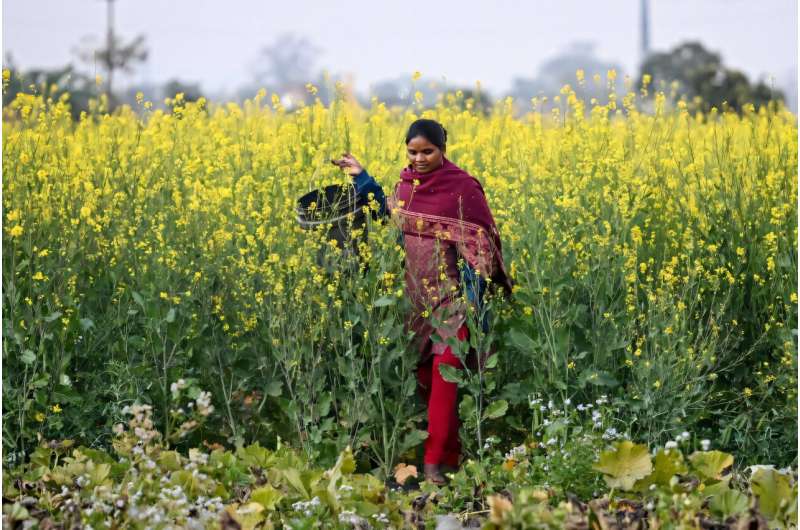
Chandmani Kerketta spends her mornings picking tomatoes and peas on her family farm in eastern India, then logs on for a night shift labeling data that teaches self-driving cars to recognize roads and pedestrians. She's part of a quiet revolution bringing artificial intelligence work to India's villages.
The 27-year-old was the first in her tribal community family to attend college. A computer course at her village school opened the door to remote AI work that let her earn a history degree while helping on the farm.
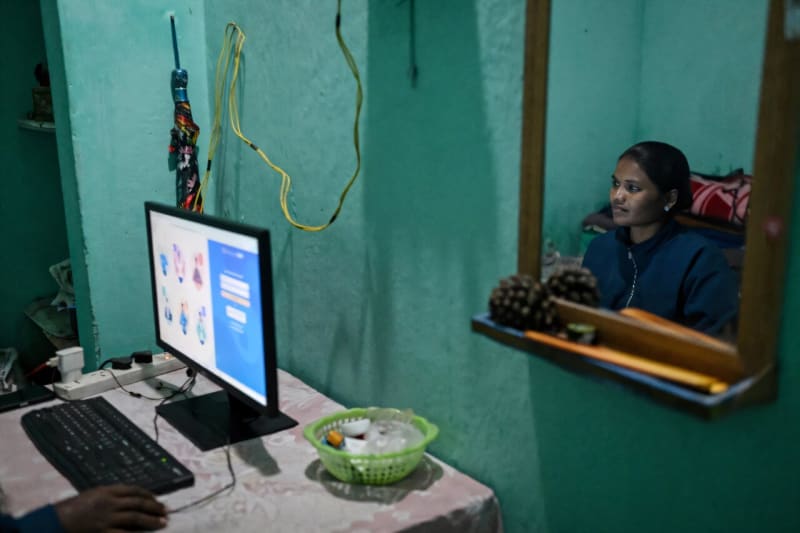
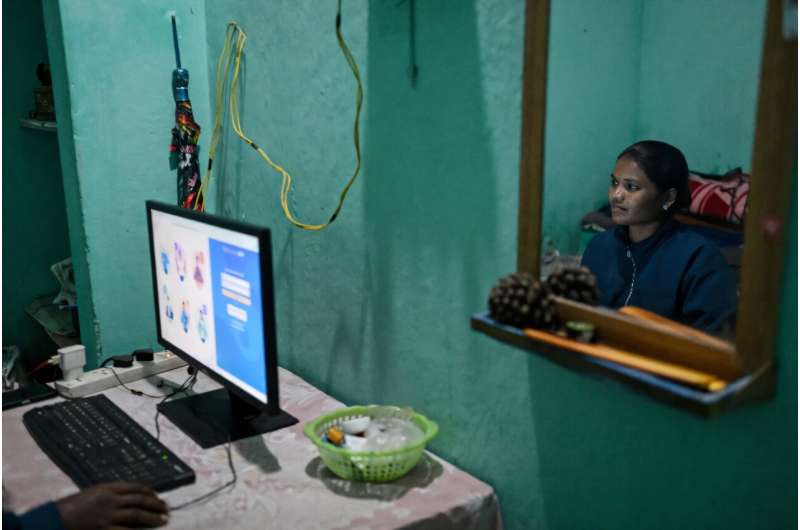
Kerketta is one of at least 200,000 data annotators working from India's small towns and villages, making up roughly half the world's data-labeling workforce. They label hundreds of images, videos and documents during eight-hour shifts, teaching AI systems the basic information they need to function.
The work might mean tagging road markings and animals for autonomous vehicles, or labeling ATM surveillance footage to help AI tell the difference between a customer and a burglar. It's painstaking but essential, and it can be done from anywhere with an internet connection.
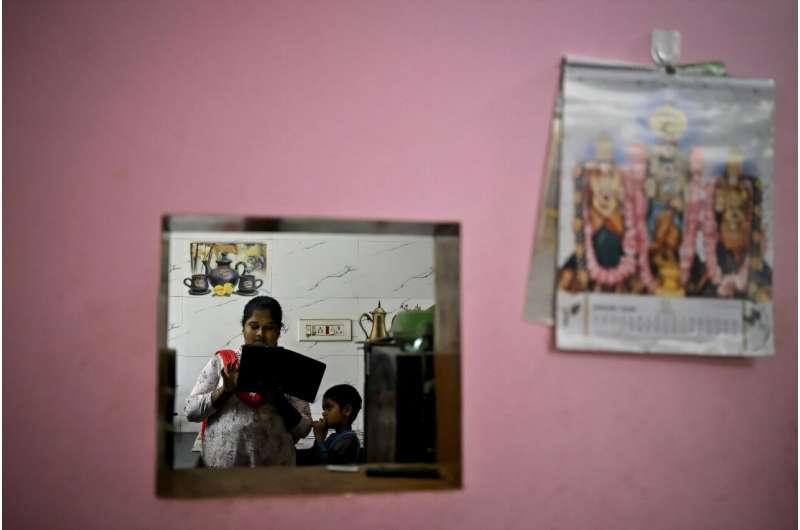
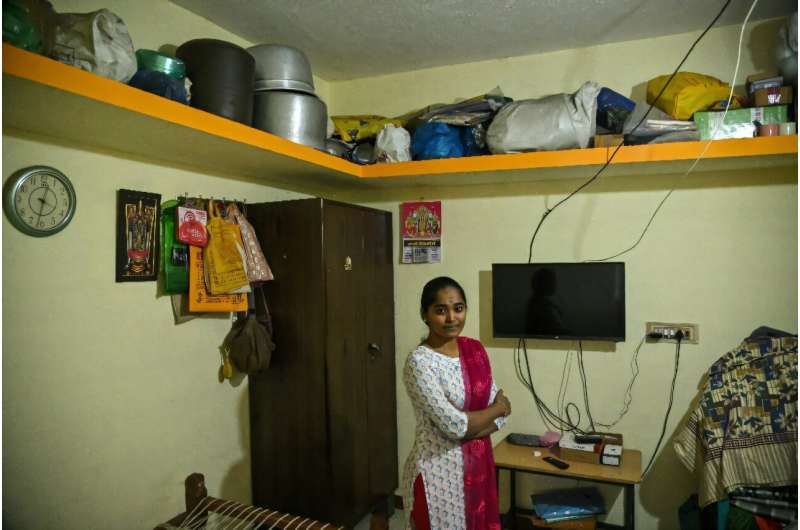
For 25-year-old Anju Kumari, the work provides "a pathway to a wider world" from her home in Jharkhand state. She connects through a fiber-optic network laid by Indian Railways that now reaches remote areas.
Indu Nadarajan travels along winding rural roads in Tamil Nadu state to a small-town office where she labels images for self-driving cars. "Many go to Chennai and Bengaluru to learn about AI," said Nadarajan, who has a master's degree in mathematics. "But being here in our hometown and learning about AI makes me feel very proud."
The Ripple Effect
This shift is quietly changing what's possible for women in conservative rural areas where leaving home for city work often isn't an option. Workers earn between $275 to $550 monthly, and many are the first college graduates in their families.
India now ranks third globally in AI power, overtaking South Korea and Japan based on patents, funding and other indicators tracked by Stanford University. Google, Microsoft and Amazon recently announced multi-billion-dollar investments to build major data centers across the country.
Sridhar Mitta, 80, founded NextWealth to bring AI work to small towns after serving as chief technology officer at Indian tech giant Wipro. "When I can design a product for a US company 5,000 miles away, why can't I do it from 200 miles away?" he asks. "Anybody can be anywhere and do the things, because the value goes through the internet."
While AI automation will eliminate some jobs, Mitta believes it will create new opportunities in unexpected places. "Micro-entrepreneurship will be the next phase for small towns," he said.
When Kerketta first started her data work, villagers mocked her. Now she's earning income, helping her family, and showing other young women in her community what's possible.
More Images
Based on reporting by Phys.org - Technology
This story was written by BrightWire based on verified news reports.
Spread the positivity!
Share this good news with someone who needs it