Rural Indian School Grows From 110 to 1,003 Students
A government school in rural India has grown nearly tenfold in 16 years, proving that public education can thrive with the right leadership. Parents now bypass private schools to send their children there.
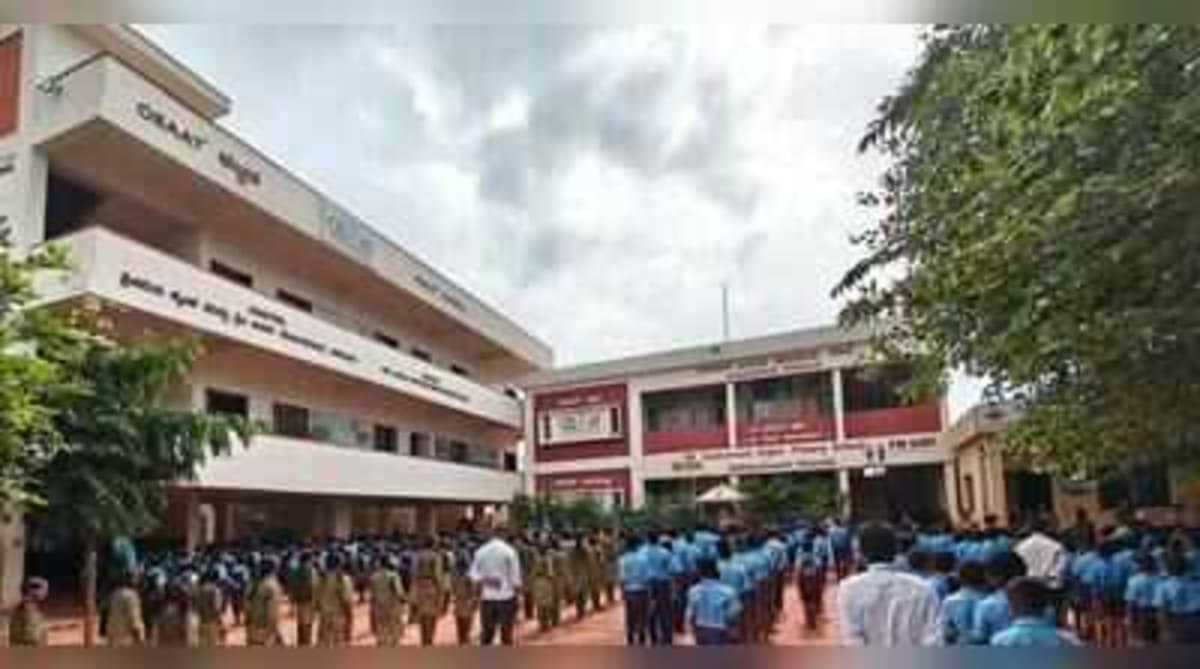
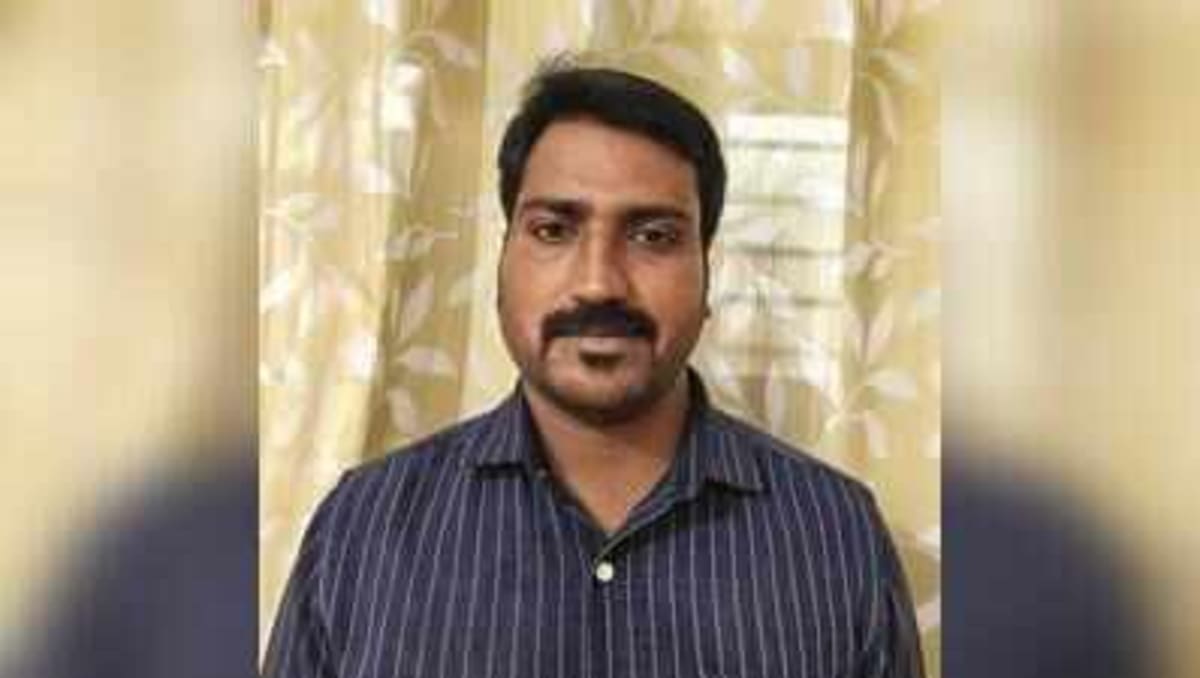
When teacher Iranna Kadakol arrived at a rural government school in Melavanki village in 2009, only 110 students showed up to class. Today, that same school educates 1,003 children who travel from across the region to attend.
PM Shri Siddharudh Math School sits in Gokak taluk, Belagavi district of Karnataka state. The transformation began with Kadakol and one other teacher determined to prove public schools could compete with private institutions.
Nearly 80% of students now come from neighboring villages, even though those villages have their own schools. Six children make the daily trip from Gokak town, and school buses ferry students from distant areas.
The school's success forced a nearby private school to close due to falling enrollment. That reversal speaks volumes in a country where private education has long been seen as superior to government schools.
Kadakol focused first on teaching quality, introducing hour-long morning assemblies with current affairs discussions, general knowledge sessions, and quizzes. Teachers conduct special assessments for struggling students and immediately contact parents when children miss class.
The school grew from 2 teachers to 28, including 14 guest faculty members. In 2014, it expanded from fifth grade to eighth grade, and recently added kindergarten classes plus English-medium instruction.
Infrastructure upgrades came through multiple sources. The PM Shri government scheme provided smart classrooms, science and computer labs, upgraded toilets, sports equipment, and interactive digital boards in every room.
After the 2019 Ghataprabha river floods damaged the campus, nonprofit organization One School At A Time funded eight new classrooms and toilet blocks totaling 1.55 crore rupees (about $185,000). Every classroom now has CCTV cameras and digital learning resources.
The Ripple Effect
The school's success is changing attitudes toward public education across the region. District officials now call it a model institution, and the state's principal secretary visited earlier this year to study its teaching methods.
Students have excelled at state and national competitions in kabaddi, athletics, high jump, and karate. The school runs weekly village cleaning drives, teaching children to serve their community.
Alumni support has grown strong as former students return to give back. The transformation shows what's possible when dedicated teachers receive proper support and resources.
Kadakol returned to his native village hoping to improve one school, and ended up proving that public education can be a community's first choice, not its last resort.
More Images


Based on reporting by Google: education success story
This story was written by BrightWire based on verified news reports.
Spread the positivity!
Share this good news with someone who needs it