
Rural Pakistan Program Lifts 784,000 From Extreme Poverty
In one of the world's most climate-vulnerable regions, a community-driven program in rural Sindh, Pakistan has helped nearly 784,000 households escape extreme poverty despite devastating floods, droughts, and pandemic shocks. The results show that even small financial support combined with community networks can build remarkable resilience.
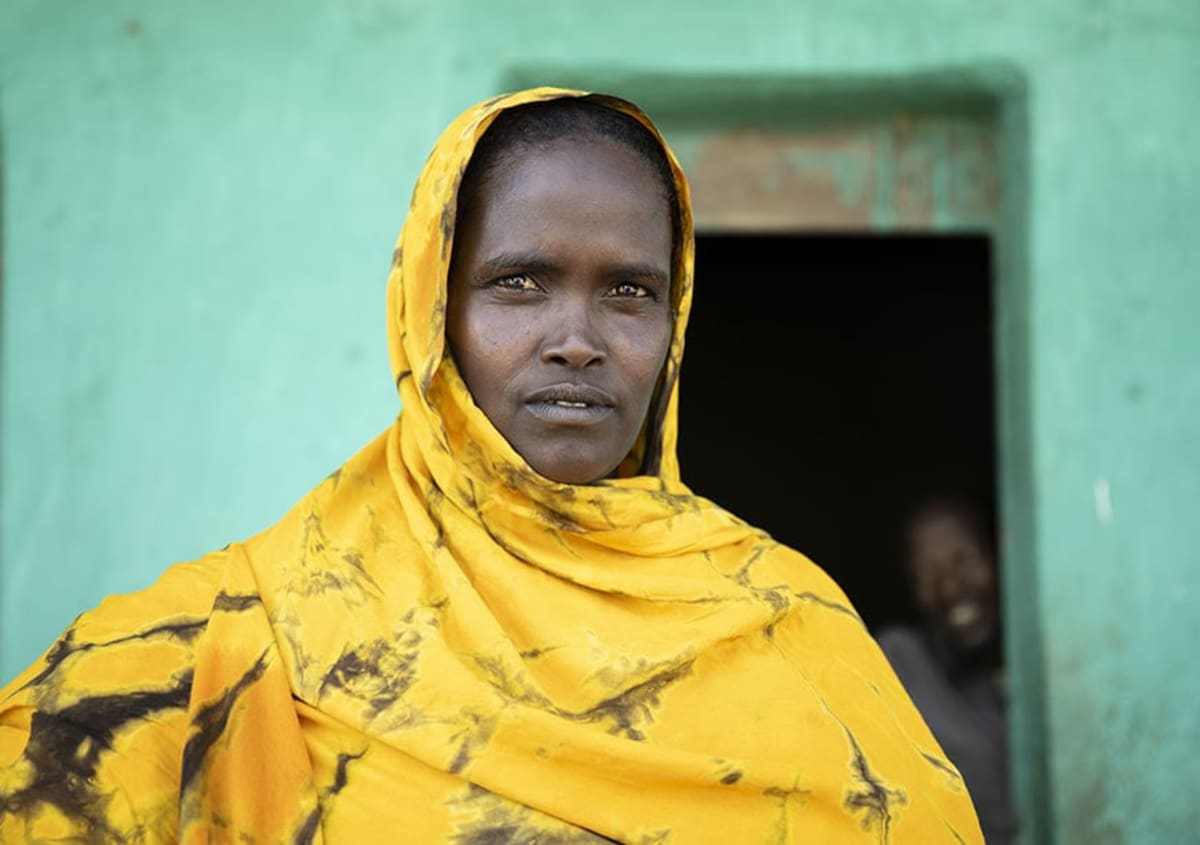
When floods destroyed her livestock in 2022, Amina thought her family would never recover. But unlike her neighbors who borrowed from moneylenders at crushing interest rates, she had something different: a community fund and a support network that helped her restock and restart within months.
Amina is one of nearly 784,000 households across 11 districts in rural Sindh, Pakistan who've joined the People's Poverty Reduction Program. Run by the Sindh Rural Support Organization with government funding, the program organizes families into more than 44,000 community groups that pool resources and support each other through crisis and growth.
The program works in layers, meeting families where they are. Ultra-poor households receive small grants of $50 to $90 to stabilize their basic needs and buy simple assets like chickens or seeds. From there, families can access rotating community funds of $90 to $145 for small businesses like livestock trading. Those ready to scale up can borrow $350 to $1,800 for more substantial enterprises.
What makes this remarkable is the context. Rural Sindh has faced catastrophic 2010 floods, repeated droughts, cyclones, COVID-19, and devastating 2022 floods that affected millions. Each disaster wiped out crops, killed livestock, and pushed families deeper into debt.
Yet program participants bounced back faster every time. During COVID-19, families with community fund access maintained food security without predatory loans. After the 2022 floods, they restocked animals and reopened businesses months ahead of non-participants. Kitchen gardens provided food when markets collapsed.
The numbers tell the story of sustained hope. Loan repayment rates hit 98 to 99 percent even after disasters, showing families honor their commitments when given fair terms. The community fund has doubled from $10.5 million to $21.5 million as families repay and recirculate money to help their neighbors. Extreme poverty in participating communities dropped from 28 percent to 20 percent, with roughly 28 percent of families moving up into better economic categories.
Average household incomes rose 20 to 30 percent, a meaningful gain in communities where every dollar counts. Women gained new voice in family financial decisions, shifting power dynamics in traditionally male-dominated rural areas.
The Ripple Effect goes beyond individual families. When community members successfully raise livestock or run small shops, they hire neighbors for help. When kitchen gardens flourish, families share seeds and knowledge. When one household weathers a crisis without collapsing, it shows others what's possible.
Experts note the program builds resilience more than radical transformation, which matters tremendously in unstable environments. Families aren't becoming wealthy, but they're escaping the trap where one bad harvest or sick child means catastrophe. They're building cushions against shocks that will inevitably come.
The model shows that poverty isn't always about lack of capability or work ethic. Sometimes people just need fair access to small amounts of capital, knowledge networks, and community support to unlock potential that was always there.
Nearly 800,000 households are proving that even in one of Earth's toughest environments, organized communities with modest resources can rewrite their futures together.
More Images




Based on reporting by Google: poverty reduction program
This story was written by BrightWire based on verified news reports.
Spread the positivity!
Share this good news with someone who needs it
%2Ffile%2Fattachments%2Forphans%2FKyran-Tourism7_528375.jpg)