Russian Scientists Revive 32,000-Year-Old Arctic Plant
Scientists successfully grew a flowering plant from fruit frozen in Siberian permafrost for 32,000 years, shattering the previous longevity record by more than 10 times. The ancient seeds, buried by Ice Age squirrels, bloomed into flowers with surprising differences from their modern relatives.
📺 Watch the full story above
Imagine planting a seed that's been frozen since woolly mammoths roamed the Earth and watching it burst into bloom.
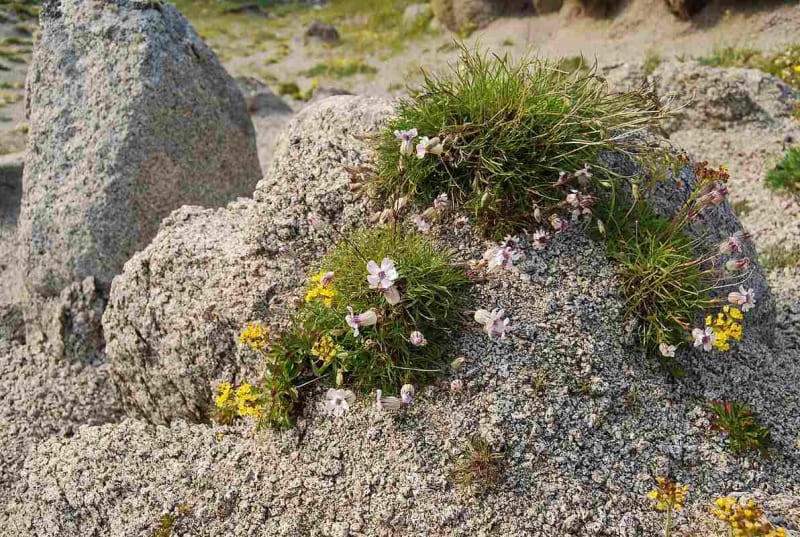
That's exactly what Russian botanists achieved on this day in 2012 when they brought Silene stenophylla back to life from fruit preserved in Siberian permafrost for nearly 32,000 years. Ancient squirrels had buried their cache of seeds between 40,000 and 60,000 years ago, creating an accidental time capsule that would astound modern science.
The team extracted cells from the frozen fruit and coaxed them into growing 36 new plants. Radiocarbon dating confirmed the tissue originated around 29,800 BCE, making this the oldest plant material ever successfully regenerated.
When the ancient flowers finally bloomed, they revealed a mystery. The petals were longer and more widely spaced than those of living Silene stenophylla plants found in the same region today. Scientists couldn't determine whether these differences represented adaptations to Ice Age conditions or simply natural variation lost over millennia.
Robin Probert of the Millennium Seed Bank called the achievement "by far the most extraordinary example of extreme longevity for material from higher plants." The previous record for plant regeneration was shattered by more than a decade.
Why This Inspires
This discovery reminds us that life finds ways to endure beyond our wildest expectations. Seeds that survived the Ice Age can still grow and flourish in our modern world, suggesting nature's resilience runs deeper than we ever imagined.
The breakthrough also opens exciting possibilities for conservation. If 32,000-year-old seeds can sprout, scientists may be able to revive extinct plant species from preserved tissue or restore genetic diversity to endangered populations.
Tragically, lead researcher David Gilichinsky died just before the groundbreaking paper was published and never got to share his remarkable achievement with the world. His team's work stands as a testament to scientific persistence and the wonders still hidden in Earth's frozen archives.
Those ancient squirrels never knew their buried treasure would someday help humans unlock secrets of survival, adaptation, and the incredible staying power of life itself.
More Images


Based on reporting by Good News Network
This story was written by BrightWire based on verified news reports.
Spread the positivity!
Share this good news with someone who needs it