Russian-Thai Food Festival Bridges Cultures in Bangkok
Bangkok hosted its first Russian-Thai Gastronomic Festival, bringing top chefs from both nations together to create fusion menus that blend centuries of culinary tradition. The five-day celebration strengthened cultural ties through the universal language of food.
When renowned Russian chefs from Pinskiy & Co. landed in Bangkok this March, they weren't just there to cook—they were there to build bridges between two rich culinary traditions.
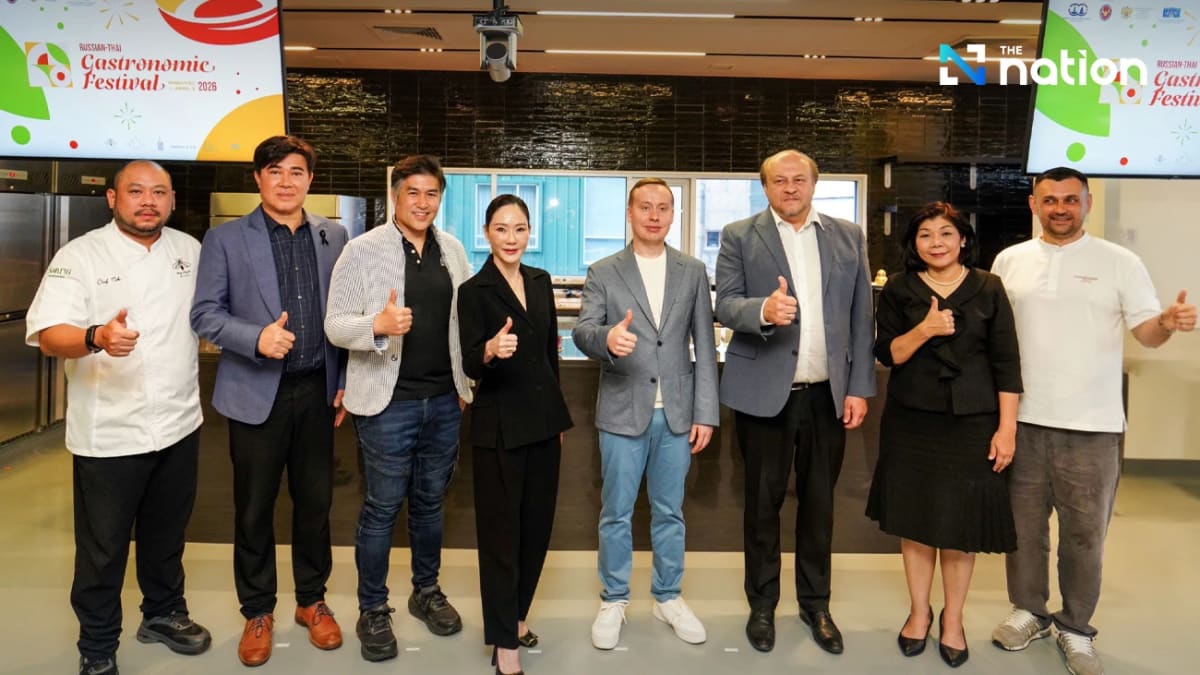
The inaugural Russian-Thai Gastronomic Festival welcomed 200 food professionals, chefs, and enthusiasts to Bangkok from March 30 to April 3. After launching successfully in Moscow, the festival found its second home in Thailand's vibrant capital.
Four major organizations teamed up to make it happen: the Russian-Thai Business Council, the Royal Thai Embassy in Moscow, the Embassy of the Russian Federation in Thailand, and Russia's Trade Representation. Their goal went beyond showcasing delicious dishes—they wanted to deepen mutual understanding between two nations.
Russian chefs worked side by side with Thailand's finest culinary talents to create something entirely new. Together, they crafted exclusive menus that honored both traditions while pushing creative boundaries. Think Thai techniques meeting Russian ingredients, resulting in contemporary interpretations that surprised and delighted diners.
The festival kicked off at The Food School Bangkok with live cooking demonstrations. Culinary students, professional chefs, and media gathered to watch the Russian masters work their magic, learning techniques and philosophies that crossed cultural lines.
Premium ingredients took center stage too. Thai Sturgeon Caviar provided high-quality black caviar, while ZAAP Alaska supplied king crab. These elements proved how beautifully Russian ingredients complement Thai cuisine.
The Ripple Effect
The festival's impact reaches far beyond full bellies and happy taste buds. By creating a platform where chefs collaborate rather than compete, it's building professional networks that span continents.
Food entrepreneurs and restaurateurs made connections that could spark future partnerships. Culinary students gained exposure to international techniques they'd normally only read about in textbooks. The intimate setting—just 40 to 60 guests per exclusive dinner session—allowed for meaningful conversations that large-scale events rarely foster.
Vladimir Kovalev, Executive Director of the Russian-Thai Business Council, captured the festival's deeper purpose perfectly. "This festival is more than a celebration of food—it is a cultural bridge between Russia and Thailand," he explained. Through shared culinary experiences, creativity sparks, dialogue flourishes, and long-term collaboration takes root.
The exclusive dining experiences continued at three prestigious Bangkok restaurants: Wang Hinghoi, Baannok BKK City Edition, and Brass House. Each evening featured specially curated menus with live music, creating an elevated atmosphere where traditional flavors met contemporary presentation.
Organizers designed the festival for quality over quantity, emphasizing high-value interactions rather than massive crowds. This thoughtful approach established it as a premium platform for knowledge exchange and innovation in the global food industry.
As the first edition in Thailand, this festival marks the beginning of an annual tradition that celebrates both nations' culinary heritage while strengthening diplomatic and commercial ties through the universal language of food.
Based on reporting by Regional: thailand innovation (TH)
This story was written by BrightWire based on verified news reports.
Spread the positivity!
Share this good news with someone who needs it