Ruth Ellis Granted Pardon 70 Years After Execution
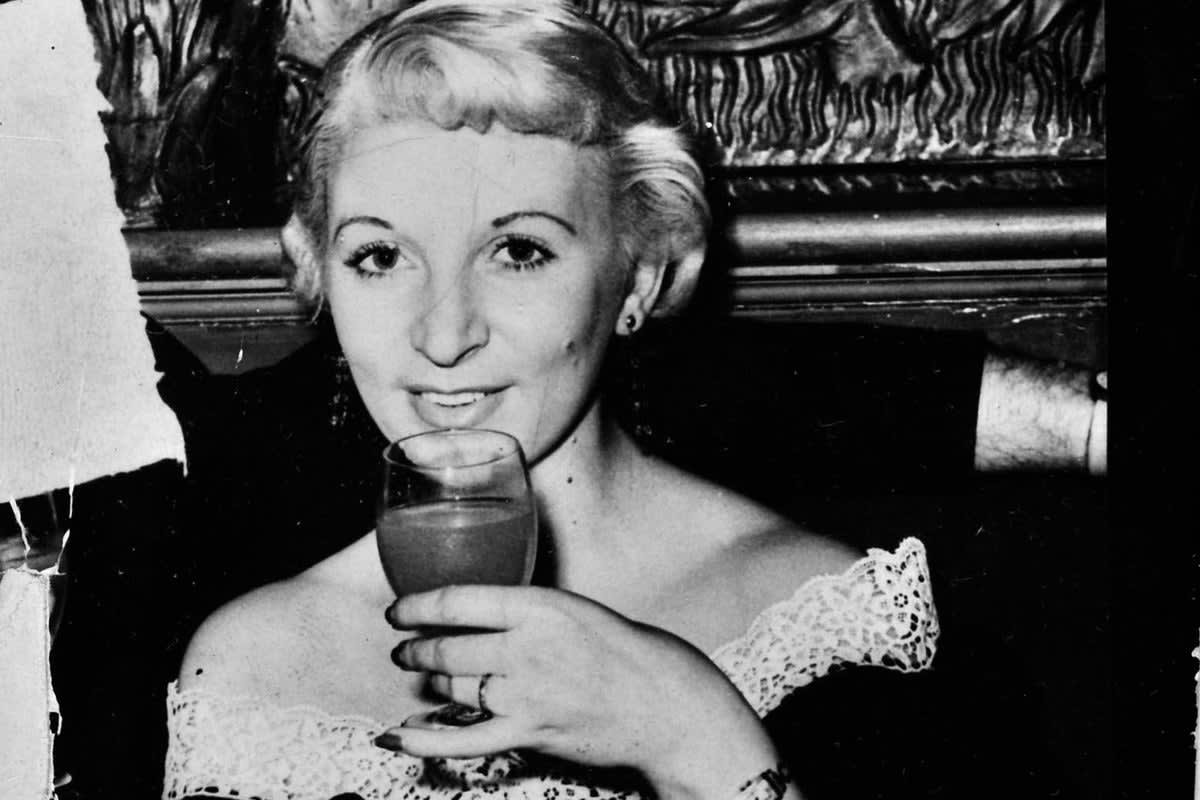
Ruth Ellis, the last woman executed in Britain, has received a posthumous pardon after evidence of domestic abuse was excluded from her 1955 trial. The case helped end capital punishment in the UK a decade later.
Seventy years after her execution, Ruth Ellis has finally been granted a conditional pardon by the King, marking a historic moment for justice reform in Britain.
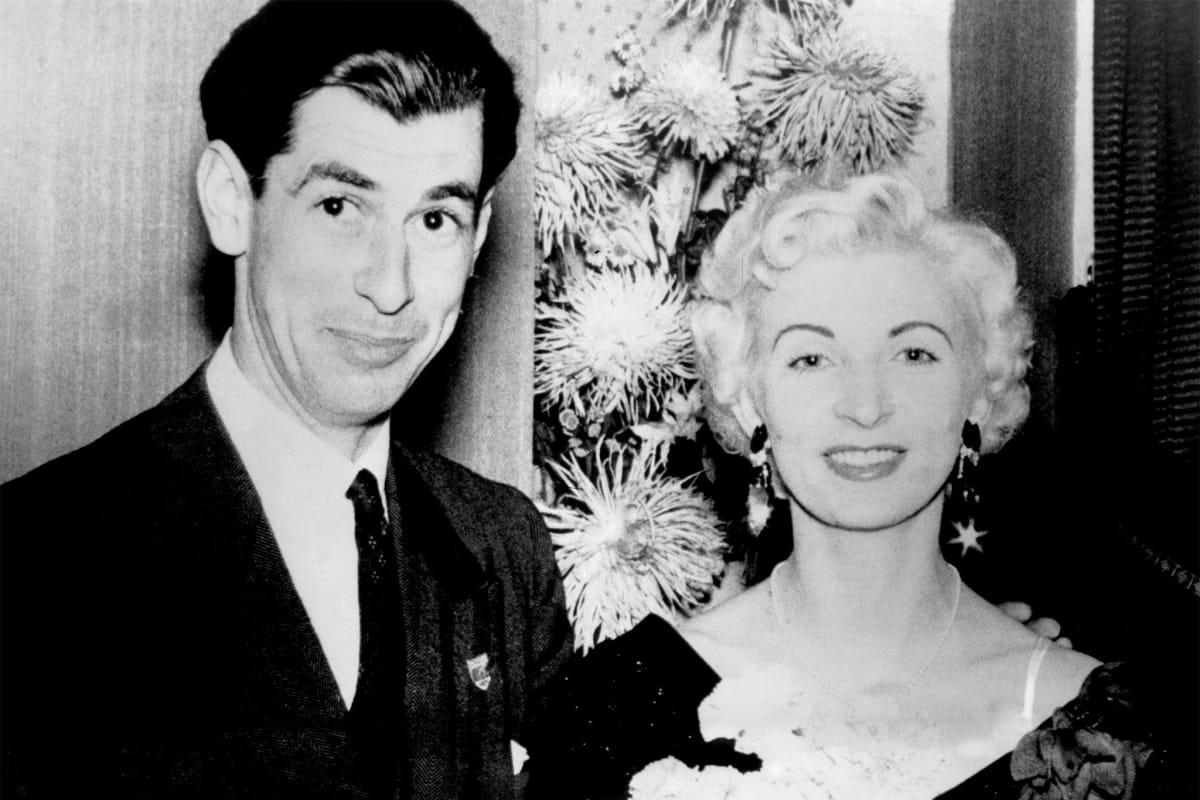
Ellis was hanged on July 13, 1955, at age 28, after shooting her abusive partner David Blakely outside a London pub. Her trial lasted just days, and the jury took only 20 minutes to convict her of murder.
What the jury never heard was the full story of abuse Ellis endured. Blakely had been violent throughout their relationship, once punching her in the stomach during an argument that caused a miscarriage. Evidence of infidelity, coercion, and physical violence was never presented to the court.
Under cross-examination, Ellis admitted she intended to kill Blakely. With murder carrying a mandatory death sentence at the time, her fate was sealed. She was executed by hangman Albert Pierrepoint and buried in an unmarked grave at Holloway Prison.
Justice Secretary David Lammy confirmed the pardon to Parliament this week. Ellis's family had campaigned for decades, arguing that modern understanding of domestic violence and coercive control would have changed the outcome of her trial.
Public outrage over Ellis's execution was immediate. A petition with 50,000 signatures demanding her pardon was submitted to the Home Office but rejected. Still, the case sparked a national conversation about capital punishment that couldn't be ignored.
The Ripple Effect
Ruth Ellis's story became a catalyst for change that reached far beyond her own case. The public fury over her execution fueled growing opposition to the death penalty across Britain.
Just ten years after Ellis died, Parliament suspended capital punishment in 1965. Her case had shown the irreversible nature of execution and how quickly justice could be delivered without considering crucial context like abuse and trauma.
Her story has been retold in films, plays, and television dramas, keeping the conversation about justice and abuse alive for new generations. Most recently, Lucy Boynton portrayed Ellis in ITV's "A Cruel Love: The Ruth Ellis Story."
While a pardon cannot undo the past, it acknowledges what many have known for decades: Ruth Ellis deserved a fair trial that considered the full truth of her circumstances. Her legacy lives on in both the end of capital punishment and growing recognition of how domestic abuse affects victims.
This pardon represents progress in how we understand domestic violence and justice today.
More Images

Based on reporting by Independent UK - Good News
This story was written by BrightWire based on verified news reports.
Spread the positivity!
Share this good news with someone who needs it