Rwanda Industrial Zone Exports Hit $290M, Creates 20K Jobs
Rwanda's flagship industrial zone exported $290 million worth of goods in 2025 while creating over 20,000 jobs. The success story shows how strategic investment in infrastructure can transform an economy from imports to exports in just 15 years.
Rwanda's largest industrial zone just proved that building the right infrastructure can spark an economic transformation that lifts thousands of families out of poverty.
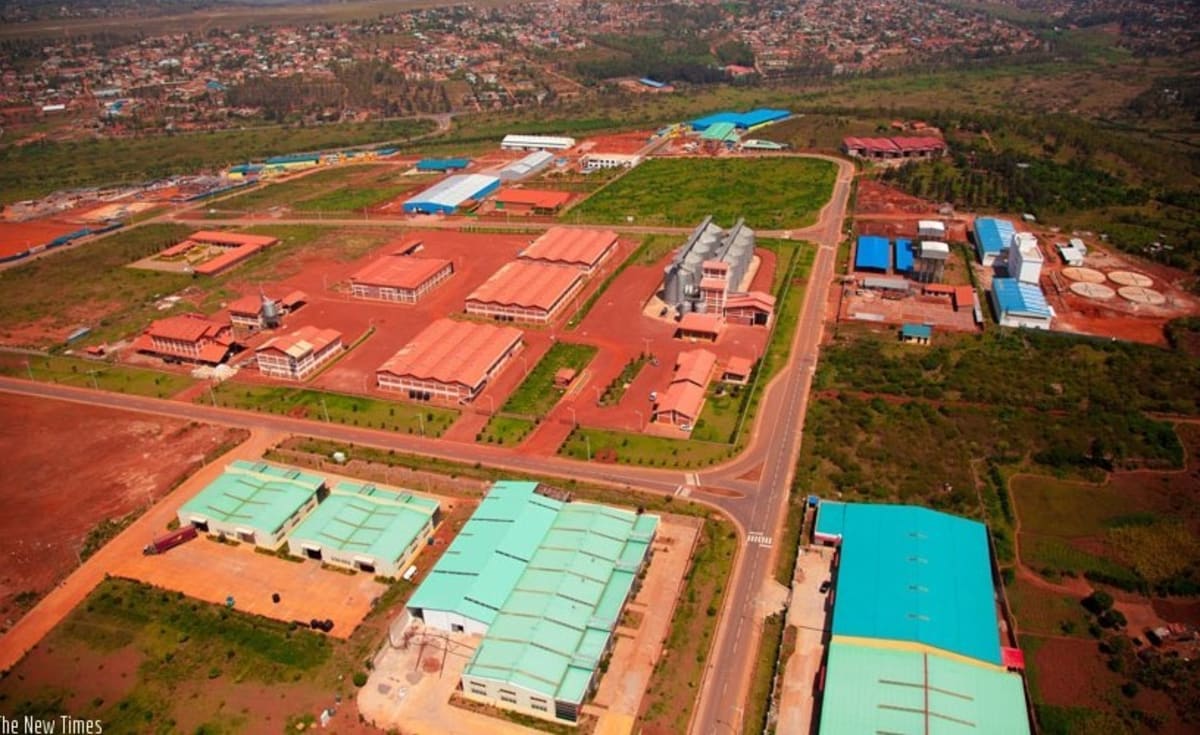
The Kigali Special Economic Zone exported $290 million in processed goods during 2025, marking a major milestone for a country that was heavily dependent on imports just a generation ago. The zone now houses 230 industries producing everything from construction materials to industrial equipment.
Since its creation in 2010, KSEZ has become more than just a collection of factories. The zone now features nearly 14 kilometers of internal roads, 49 kilometers each of electricity and water networks, and 24 kilometers of fiber optic connectivity that keep businesses humming.
Michelle Umurungi, Chief Investment Officer at Rwanda Development Board, says the infrastructure has created an ecosystem where production, logistics, and export activities work seamlessly together. The result is visible in Rwanda's overall export numbers, which jumped from $3.5 billion in 2024 to $4.2 billion in 2025.
But the real story isn't just about money flowing out of the country. It's about opportunity flowing in.
The zone has generated over 20,000 jobs for Rwandans, providing stable incomes and technical training that will serve workers throughout their careers. Each paycheck supports families, sends kids to school, and builds the middle class that every developing economy needs.
The Ripple Effect
The transformation of KSEZ shows what's possible when countries invest in the right foundation. Rwanda didn't just build factories; they built roads, power lines, and internet connections that make those factories competitive on the global stage.
Now the government is preparing to expand with Phase III and Phase IV developments to meet growing investor demand. More zones mean more jobs, more exports, and more Rwandans gaining the skills to thrive in an industrial economy.
The concentration of industries in one place has created another unexpected benefit: a knowledge hub where workers learn from each other and build technical expertise that supports the country's long-term development goals. Young Rwandans who might have once looked abroad for opportunity can now find career paths at home.
From a merger of two small industrial parks in 2010 to a thriving economic engine today, KSEZ represents the kind of patient, strategic development that creates lasting change.
Twenty thousand families now have steady paychecks because Rwanda built the infrastructure to compete globally, and that's just the beginning.
Based on reporting by AllAfrica - Headlines
This story was written by BrightWire based on verified news reports.
Spread the positivity!
Share this good news with someone who needs it