Rwanda Teaches US Prison Reform Groups Healing Methods
Three American advocates traveled to Rwanda to learn how a nation recovering from genocide helps former perpetrators and victims rebuild trust. Their goal: bring these reconciliation methods home to help formerly incarcerated people reintegrate into communities.
In a country still recovering from one of history's worst atrocities, American prison reform advocates found unexpected lessons about healing and second chances.
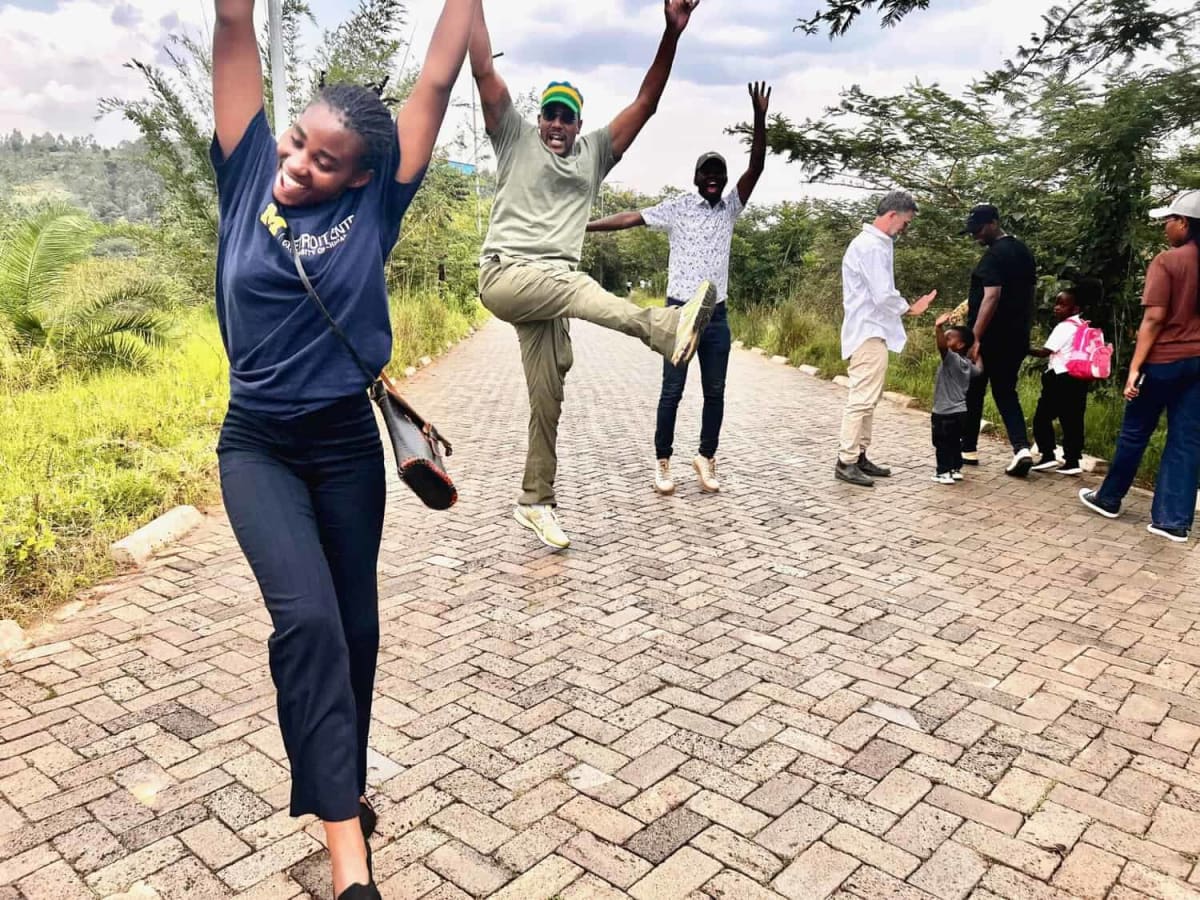
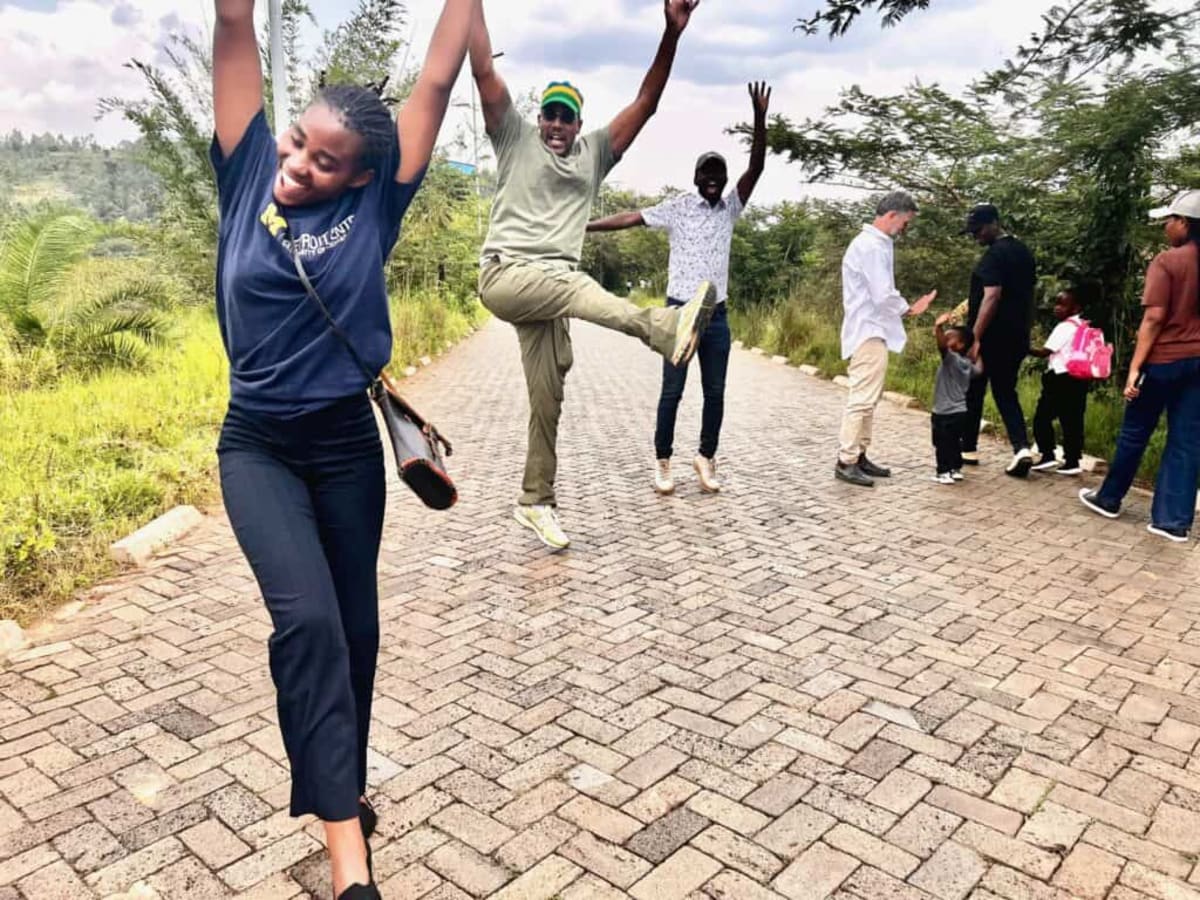
Anna Muller, Paul, and Tamir traveled to Rwanda in January 2026 to study how communities there help people who caused terrible harm rejoin society. For Tamir, a Detroit native who works with formerly incarcerated people, the journey to Africa felt like coming home.
The trio works with incarcerated students and advocates for prison reform in Michigan. They know firsthand how hard it is for people leaving prison to reconnect with families and neighborhoods that have moved on without them.
Rwanda faced this same challenge on a massive scale. After the 1994 genocide, the country had to decide what to do with thousands of people who participated in violence against their neighbors. Prisons couldn't hold them all, and Rwanda needed everyone to help rebuild.
The answer was revolutionary. Community courts called "Gacaca" gathered in villages across the country where local people heard confessions and decided sentences. Survivors and perpetrators told their stories side by side, working through pain toward accountability.
Felix Bigabo from Prison Fellowship Rwanda explained the patient work required. Organizations spent years speaking with both survivors and perpetrators, slowly rebuilding trust and persuading communities they could live together again.
The Ripple Effect
The Rwanda Resilience and Grounding Organization now runs workshops on trauma, resilience, and healing practices. Their methods have become a case study in restorative justice at the national level.
Back in Michigan, these lessons feel urgently relevant. People leaving prison after decades face broken family ties, shame, and a world that has changed completely. One incarcerated man described how shame weighs not just on individuals but on families who once had different dreams for their children.
Organizations like Nation Outside, where Tamir serves as assistant director, are already applying dialogue and empathy practices. At Macomb Correctional Facility, the Theory Group creates spaces for conversations about accountability and restoration.
The American visitors saw that Rwanda's public face of reconciliation required years of difficult, patient work behind the scenes. True healing doesn't happen through one conversation or symbolic gesture.
As violence and division marked their own country during that January trip, the three advocates found hope in Rwanda's example: neighbors who once hurt each other can rebuild trust, one conversation at a time.
More Images



Based on reporting by Google News - Reconciliation
This story was written by BrightWire based on verified news reports.
Spread the positivity!
Share this good news with someone who needs it