Rwanda to Double Water Supply by 2029
Rwanda is launching major infrastructure projects to nearly double its treated water capacity in just five years, bringing clean water to thousands of rural villages. The ambitious plan aims to cut water waste by a third and reach universal access by 2030.
Rwanda is about to transform water access for millions of people through a series of ambitious infrastructure projects that will nearly double the country's treated water production by 2029.
The government plans to increase daily treated water capacity from 367,000 cubic meters in 2026 to over 688,000 cubic meters by 2029. That's enough to serve a rapidly growing population while finally reaching rural areas that have gone without reliable clean water for years.
Among the flagship projects is the Nzove III Water Treatment Plant, expanding from 40,000 to 65,000 cubic meters per day by September 2026. An even bigger addition, Nzove IV, will add 150,000 cubic meters daily when it opens in December 2029.
The Karenge Water Treatment Plant is getting a dramatic upgrade too, quadrupling its capacity from 12,000 to 48,000 cubic meters per day by January 2029. These aren't just numbers on paper. They represent families who will turn on taps and find clean water waiting.
Prime Minister Justin Nsengiyumva acknowledged that current water shortages, especially during dry seasons, continue affecting many households. Climate change and aging infrastructure have made the problem worse. But the government is tackling both the supply side and the waste side of the equation.
Rwanda aims to reduce water losses from 35 percent to 25 percent by 2029, with a long-term goal of just 5 percent by 2050. The country has partnered with a Japanese company to deploy leak detection technology in urban networks, ensuring more water actually reaches people instead of disappearing through broken pipes.
The rural water program targets more than 2,900 villages currently without reliable access. Workers are rehabilitating 55 rural water systems across 13 districts right now, with 67 more systems scheduled for upgrades by the end of 2029.
The Ripple Effect
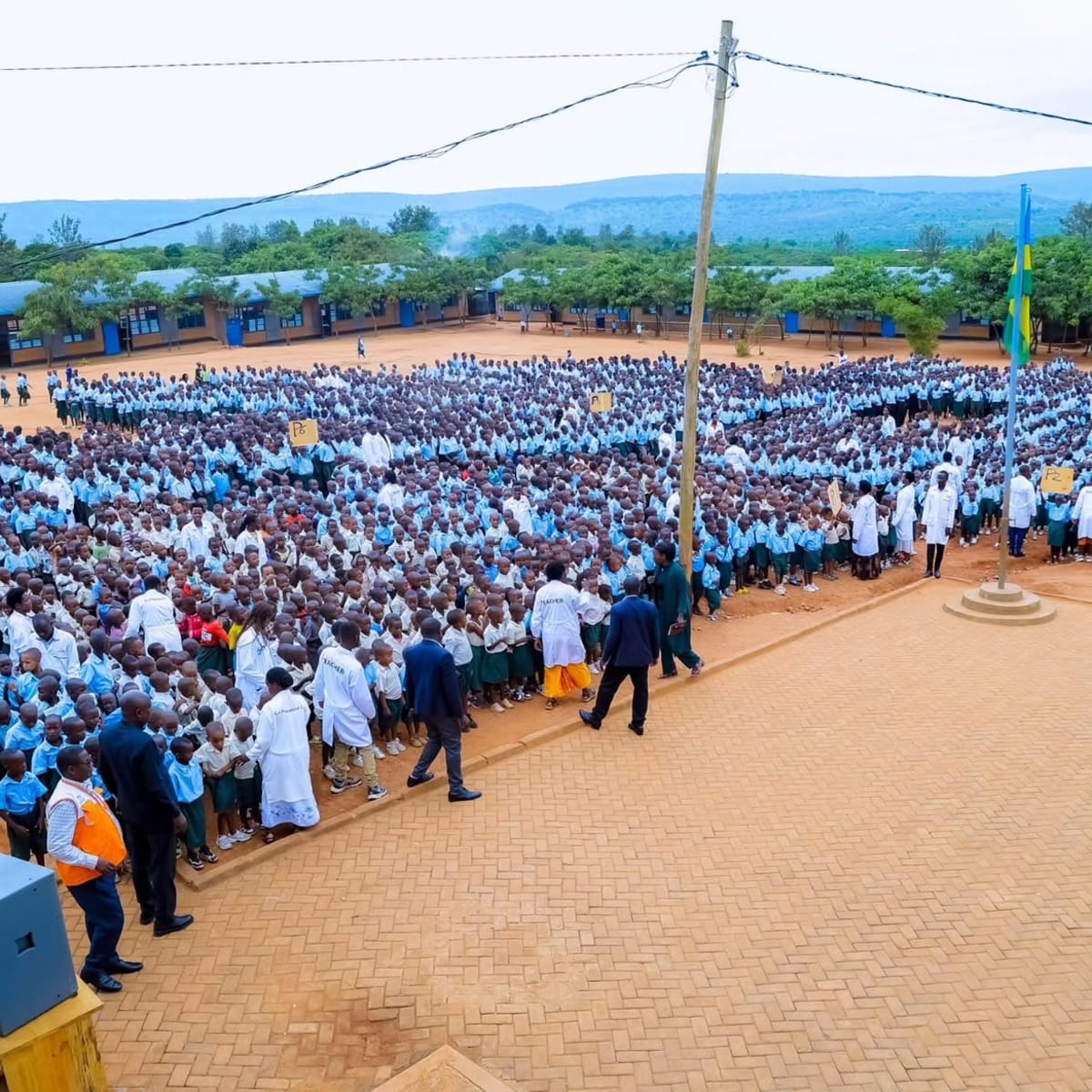
Universal water access by 2030 means more than just convenience. Clean water transforms health outcomes, keeps kids in school instead of walking hours to fetch water, and enables small businesses to grow. When families don't have to worry about water, they can focus on building better futures.
The national strategy includes rehabilitating 1,785 water networks and extending pipelines by 4,637 kilometers. Lawmakers are pushing for even more innovation, including greater investment in rainwater harvesting to capture resources that currently flow away unused.
Rwanda is proving that developing countries can make massive infrastructure leaps when they commit to clear goals and smart investments.
More Images


Based on reporting by AllAfrica - Environment
This story was written by BrightWire based on verified news reports.
Spread the positivity!
Share this good news with someone who needs it