Rwanda Uses DNA From Ponds to Track Endangered Gorillas
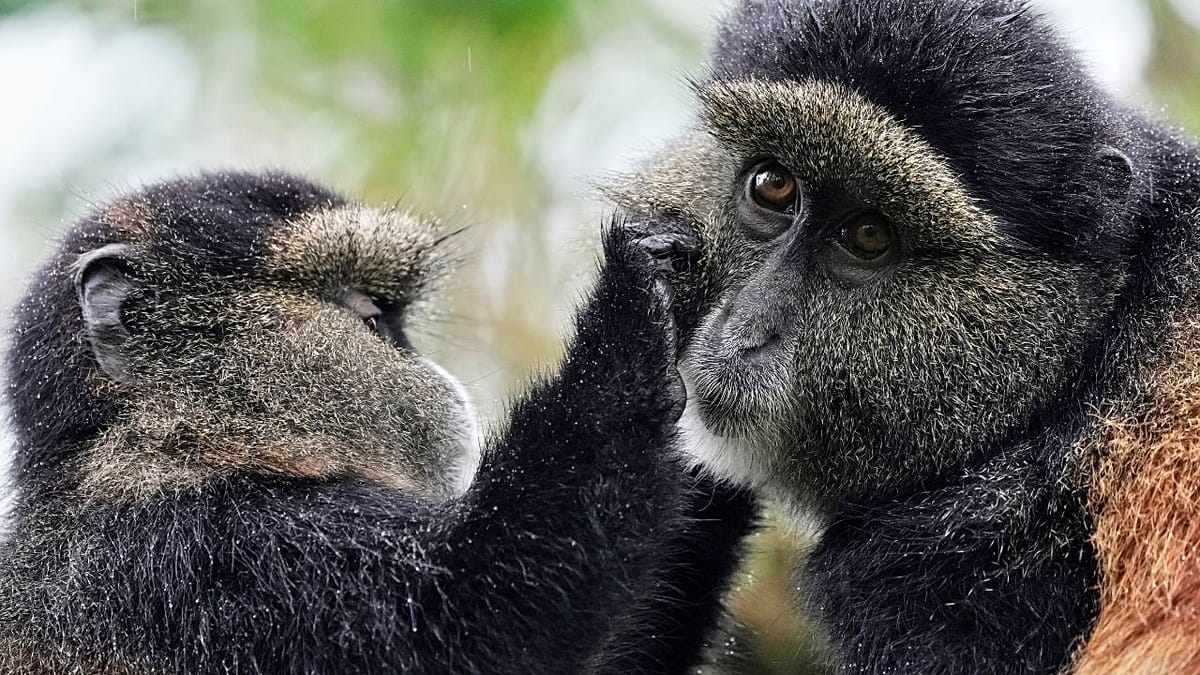
Scientists in Rwanda are protecting mountain gorillas and golden monkeys without ever seeing them. They collect water samples that reveal which endangered animals live upstream.
Scientists in Rwanda's Volcanoes National Park can now track endangered mountain gorillas and golden monkeys without setting foot in their habitat. The secret is in the water.
The breakthrough technology is called environmental DNA, or eDNA. It detects genetic traces like fur and feces that animals leave behind in soil and water.
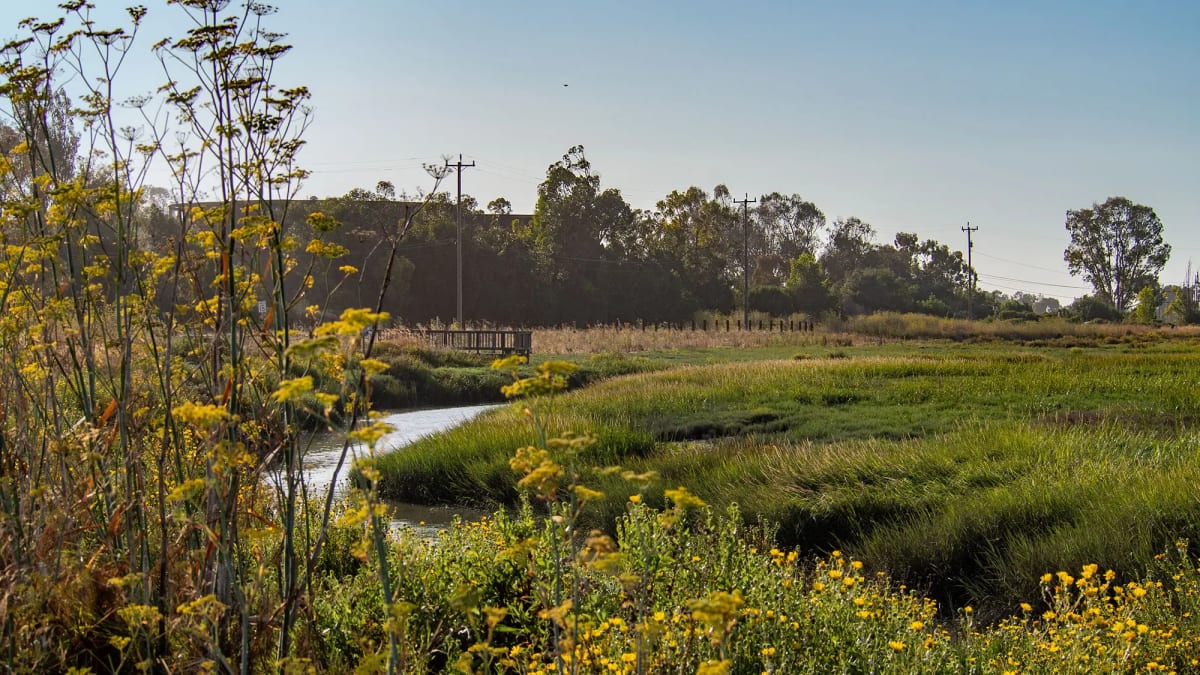
Researchers simply collect samples from ponds downstream and analyze them in a lab. The water tells them exactly which species are living on higher ground without disturbing a single animal.
"With one kit, you can assess multiple species, amphibians, mammals, birds and many others which cannot be detected using traditional techniques," says Deogratias Tuyisingize of the Dian Fossey Gorilla Fund. That's a game changer for tracking creatures that hide in dense forests or dangerous terrain.
The African Wildlife Foundation partnered with Rwanda's government to introduce the method. Their goal is creating a complete map of the country's biodiversity as climate change and population growth threaten wildlife habitats.
The technology shines in rugged border areas where rangers struggle to patrol safely. Instead of sending people into risky zones, scientists can now monitor wildlife from secure locations downstream.
The approach does have limitations. DNA lingers in water even after animals move on, so researchers can't get accurate population counts. Africa also lacks the extensive genetic reference libraries that exist in Europe and North America, making some species harder to identify.
The Ripple Effect
Rather than viewing these challenges as roadblocks, researchers are building Africa's own genetic databases from scratch. They're training local communities to collect samples themselves, ensuring the technology serves African conservation needs instead of just importing Western methods.
The shift means rural Rwandans are becoming citizen scientists. Communities that live alongside endangered species now play a direct role in protecting them, gaining valuable skills while contributing to groundbreaking research.
This homegrown approach could transform wildlife monitoring across Africa, where vast landscapes and limited resources have always made traditional tracking difficult. What started in Rwanda's misty mountains may soon help protect endangered species continent-wide.
More Images
Based on reporting by Euronews
This story was written by BrightWire based on verified news reports.
Spread the positivity!
Share this good news with someone who needs it