Rwandan Doctor Brings Care to Remote CAR Villages
A Rwandan physician travels village to village in Central African Republic's forests, bringing healthcare to Indigenous communities who've been virtually cut off from medical services. Her mobile clinics are changing lives in one of the world's most underserved regions.
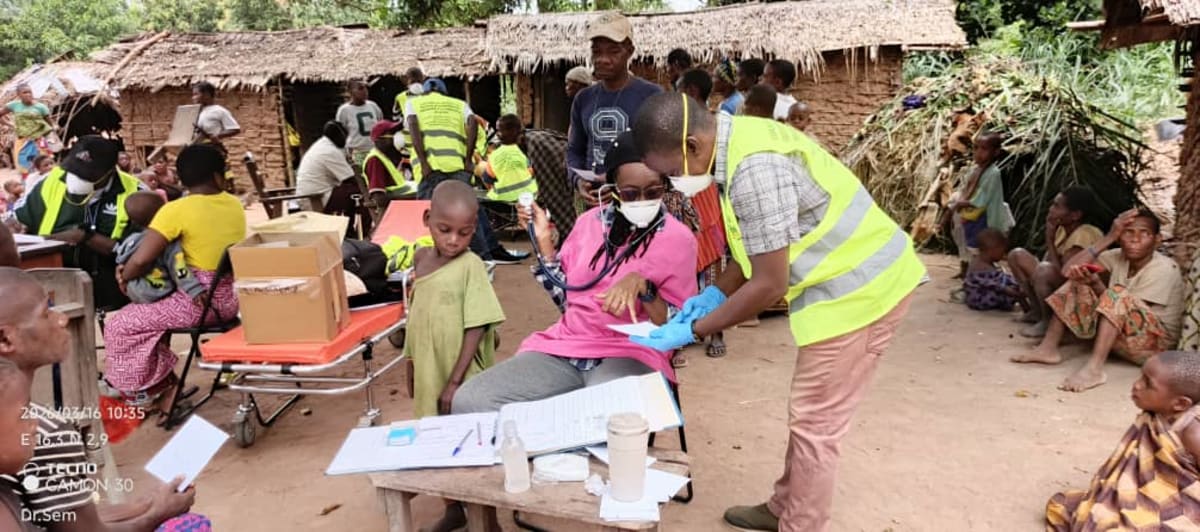
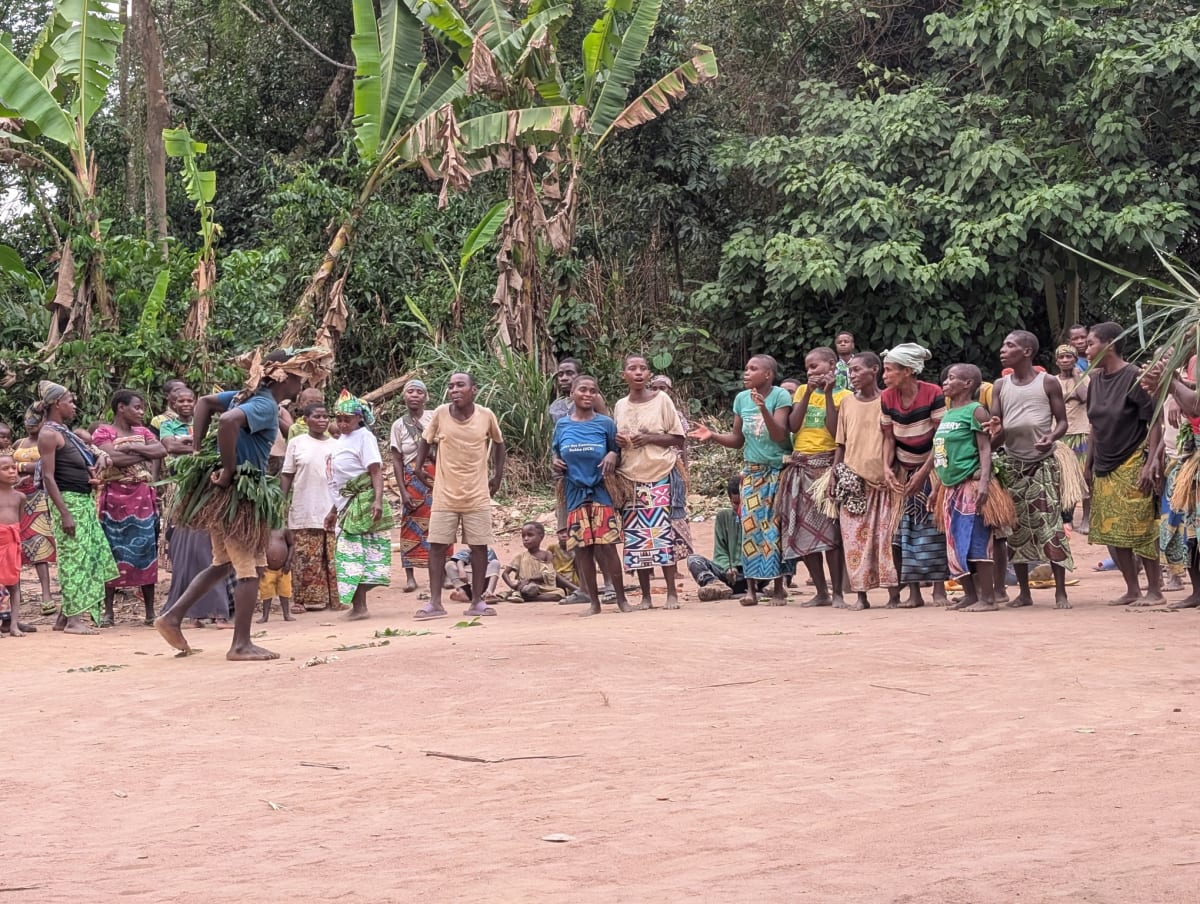
In the dense forests of southwestern Central African Republic, Dr. Alphonsine Colombe Irahali arrives in remote villages with music playing, drawing curious crowds before setting up a makeshift clinic under the trees.
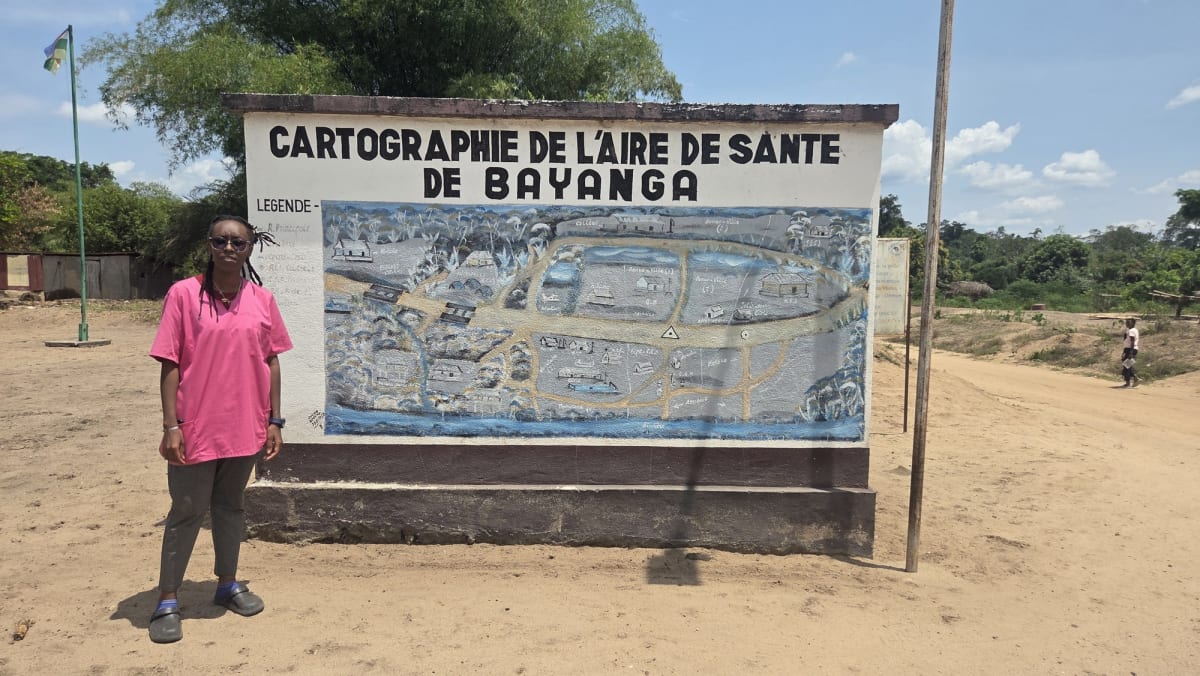
The 36-year-old Rwandan doctor chose what many would consider the harder path. While many African medical professionals migrate to cities or leave the continent for better pay, Irahali applied three times to work in Bayanga, a remote post near Dzanga-Sangha National Park where basic healthcare is nearly impossible to access.
"I am committed to caring for underserved communities," she told reporters during a recent mobile clinic visit. "I believe this work is in line with my oath."
Her patients are mainly Ba'aka Indigenous people and Bilo communities who live far from any health facility. Many rely on traditional medicine or only seek hospital care when conditions become critical, which is why Irahali brings healthcare directly to them.
Her team conducts tuberculosis and HIV screenings, promotes vaccination, and teaches villagers what symptoms require urgent care. They coordinate closely with the local hospital and health ministry to track data and follow up on cases.
The work comes with real challenges. Limited resources mean medications sometimes need to be ordered rather than dispensed on site. Without X-ray machines or specialized equipment, certain diagnoses become guesswork.
"Children are still dying of malaria because of anemia," Irahali explained. "Often, because they arrive at the hospital too late."
The emotional toll is real too. Irahali recently saved a sick child but lost the mother, who hadn't seemed as ill. Without psychologists or support systems, healthcare workers process these losses alone while continuing to serve.
But challenging cases also fuel her hope. She recently treated a patient attacked by a gorilla, managing infection, wounds, and emergency vaccinations with limited supplies. That patient recovered and can walk again.
The Ripple Effect
Irahali's mobile clinics are doing more than treating individual patients. They're building trust between isolated forest communities and the formal healthcare system, creating pathways for preventive care that didn't exist before. By meeting people where they are, she's proving that distance and resources don't have to mean death sentences for treatable conditions.
Her presence is encouraging more mothers to bring children for vaccinations and teaching communities to recognize warning signs before conditions become emergencies. Each village visit plants seeds for a healthier future.
For Irahali, the difficult cases give her work meaning and keep her going despite the hardships of practicing medicine at the edge of the world.
More Images
Based on reporting by Mongabay
This story was written by BrightWire based on verified news reports.
Spread the positivity!
Share this good news with someone who needs it