Rwanda's Healing Model Offers Hope for US Prison Reform
Three American educators traveled to Rwanda to learn how a country recovering from genocide helps perpetrators and survivors rebuild trust. Their mission: bring these healing practices to help formerly incarcerated people return home.
In a country where neighbors once killed neighbors, former perpetrators now live alongside genocide survivors, working together to rebuild their communities.
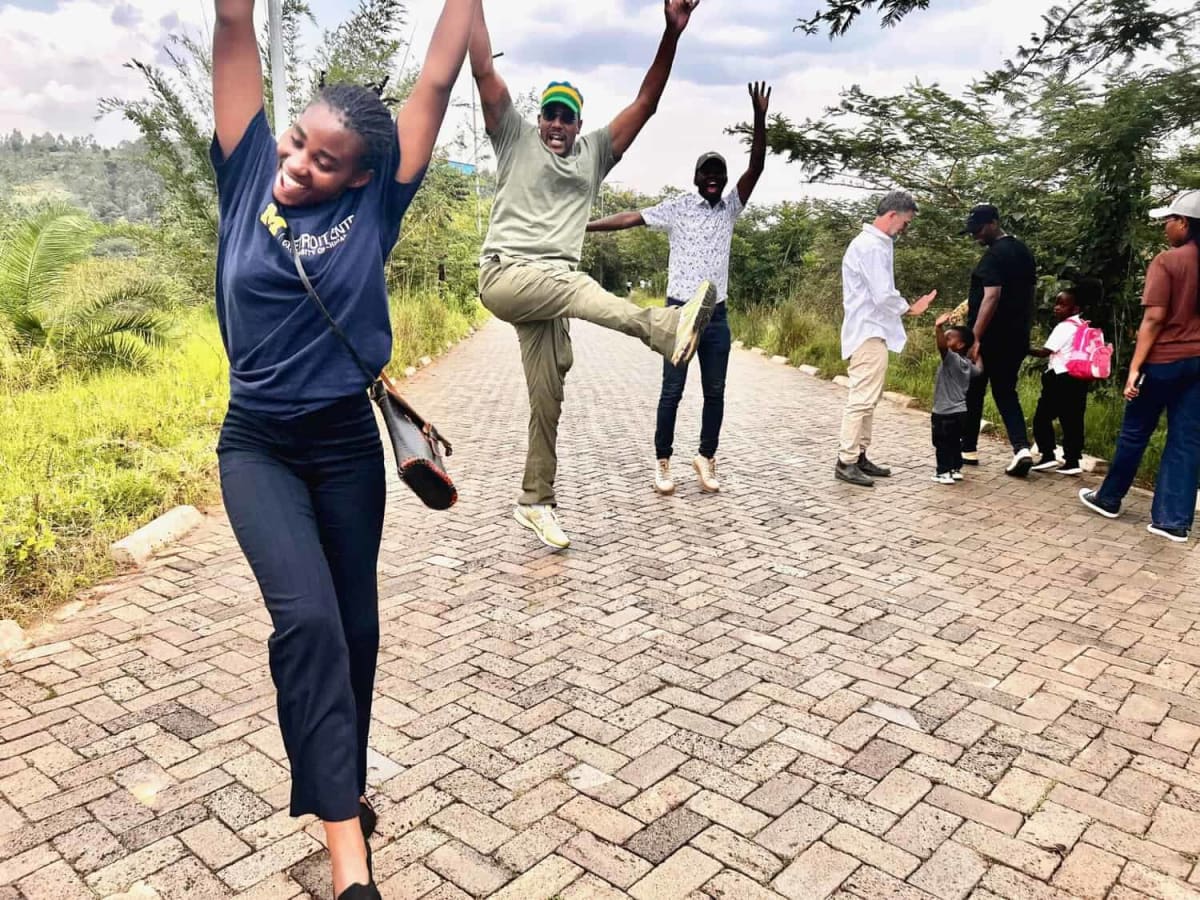
That's the reality in Rwanda's Reconciliation Villages, where an unlikely trio of American educators traveled in January 2026 to learn lessons they hope will transform how the United States handles prison reentry. Anna, a Polish historian, Paul, a sociologist from Chicago, and Tamir, a Detroit native and advocate for formerly incarcerated people, made the journey to understand how Rwanda facilitates healing after unimaginable harm.
After the 1994 genocide, Rwanda faced a massive challenge. Too many people had participated in the violence to keep them all in prison forever, and the country needed everyone to rebuild. But how could communities prevent such horror from happening again?
The solution was patient, difficult work. Community courts called Gacaca empowered local people to hear confessions and decide sentences that focused on making amends. Prison Fellowship Rwanda spent years speaking with both survivors and perpetrators, slowly rebuilding trust and persuading communities to accept the possibility of living together again.
The American visitors see striking parallels to challenges facing people leaving Michigan prisons. Many return home after decades to find families, neighborhoods, and a world completely changed. Like Rwanda's returning perpetrators, they carry shame that affects not just themselves but entire families who once held different hopes for their children.
Organizations like Nation Outside, where Tamir serves as assistant director, now provide spaces for conversations about accountability and restoration. At Macomb Correctional Facility, the Theory Group creates opportunities for dialogue and empathy, grounded in the belief that people can build trust even after deep harm.
The Ripple Effect
Rwanda's national experiment in restorative justice demonstrates that healing is possible even after society's worst fractures. The country's approach recognizes that the formal end of imprisonment doesn't resolve the relational consequences of harm.
These lessons are already influencing prison reform advocates in Michigan and beyond. By viewing formerly incarcerated people not as problems to be tucked away but as community members who must eventually return home, organizations are creating support systems that address guilt, fear, trauma, and shame.
The work requires acknowledging that behind each incarcerated person stands a sea of hurt people, including direct and indirect victims of crime. True reconciliation means holding space for both accountability and the possibility of restoration.
What started as a journey to learn about Rwanda's methodologies for facilitating resilience has become a bridge between two countries wrestling with how communities heal after violence, proving that even the deepest wounds can be addressed through patient, committed work.
More Images



Based on reporting by Google News - Reconciliation
This story was written by BrightWire based on verified news reports.
Spread the positivity!
Share this good news with someone who needs it