Sabah Invests in STEM Education to Future-Proof Economy
Malaysia's Sabah state is expanding tech education and AI policy to attract investors and build a talent pipeline for 2026. The government is betting that training industry-ready workers today will drive sustainable growth tomorrow.
📺 Watch the full story above
Sabah is preparing its workforce for tomorrow's economy with a major push into technology education and innovation policy.
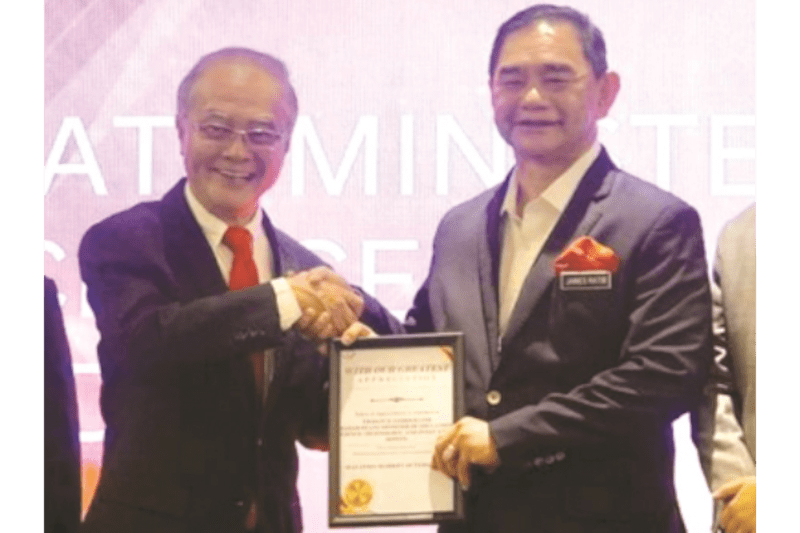
The Malaysian state announced plans to expand STEM and vocational training programs at the Malaysia Market Outlook 2026 seminar in Kota Kinabalu. Education, Science, Technology and Innovation Minister Datuk James Ratib said the initiative aims to create a pipeline of industry-ready talent as foreign investors increasingly seek stable destinations with skilled workers.
"Foreign investors in an increasingly uncertain global environment are seeking destinations that offer policy stability, clear direction, talent readiness and long-term returns," Ratib told attendees. The state government is partnering directly with technology companies to ensure training programs match real industry needs.
The timing couldn't be more critical. Technology sectors including artificial intelligence, automation and the digital economy are becoming the biggest drivers of foreign investment worldwide. Sabah wants to position itself as a competitive hub in the Asia Pacific region by getting ahead of the talent shortage.
Beyond education, Sabah is developing a responsible AI policy framework to give investors regulatory clarity and reduce risks. The dual approach of training workers while creating clear rules aims to make the state an attractive home for tech companies looking to expand in Southeast Asia.
The Ripple Effect
The investment in education creates opportunities far beyond attracting foreign money. Local students gaining tech skills can build careers in growing industries without leaving their home state. Small and medium businesses will have access to workers trained in automation and digital tools, helping them compete globally.
Michael Lui Yen Sang, President of the Kota Kinabalu Chinese Chamber of Commerce and Industry, emphasized that stable, predictable policies are essential for businesses to plan long-term investments. He said the collaboration between government and business community could help local enterprises diversify and enhance their international competitiveness by 2026.
The seminar brought together financial experts from Alliance Bank, Singular Asset Management and Baker Tilly Malaysia to share market insights with local businesses. Deputy ministers and state officials attended, signaling government commitment to the technology-driven vision.
Sabah's bet is simple: invest in people and clear policies now, and sustainable economic growth will follow.
Based on reporting by Regional: malaysia technology (MY)
This story was written by BrightWire based on verified news reports.
Spread the positivity!
Share this good news with someone who needs it