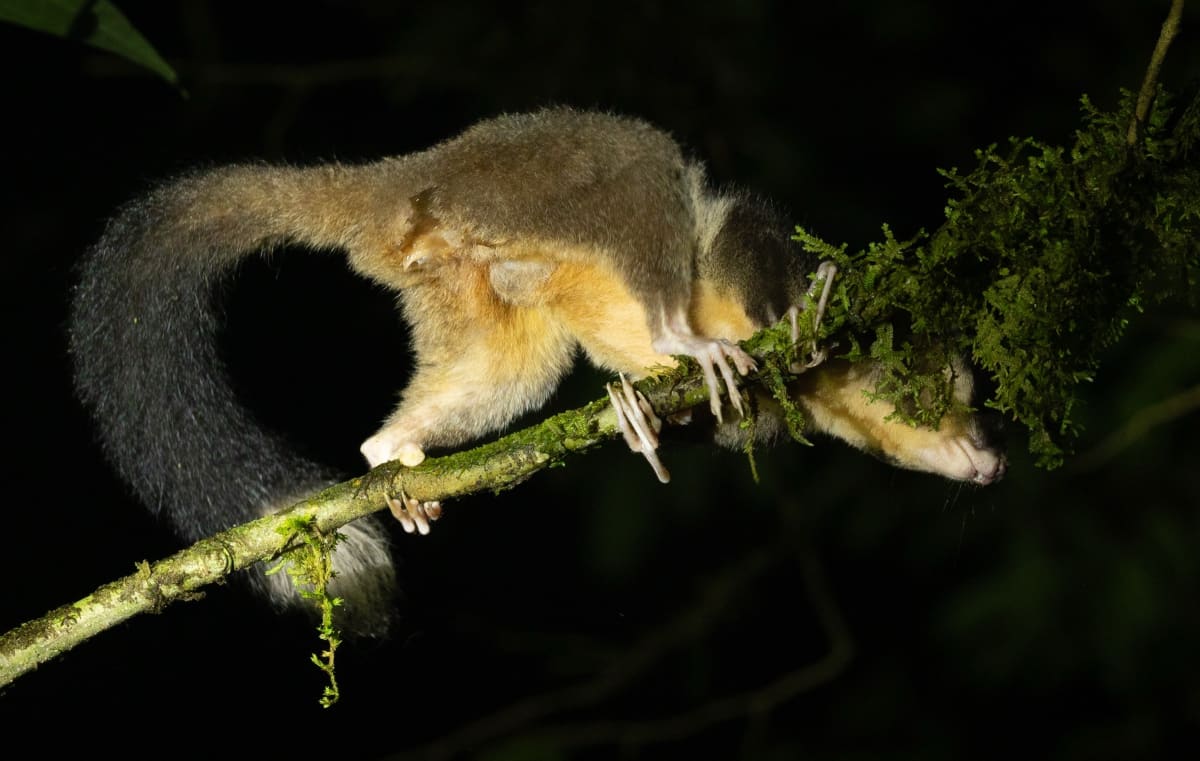
Sacred Glider Rediscovered After 6,000 Years in Papua
Two marsupial species scientists thought were extinct for 6,000 years are alive in Papua's forests, thanks to Indigenous elders who knew they were there all along. The discovery highlights how traditional knowledge can reshape what science thinks it knows.
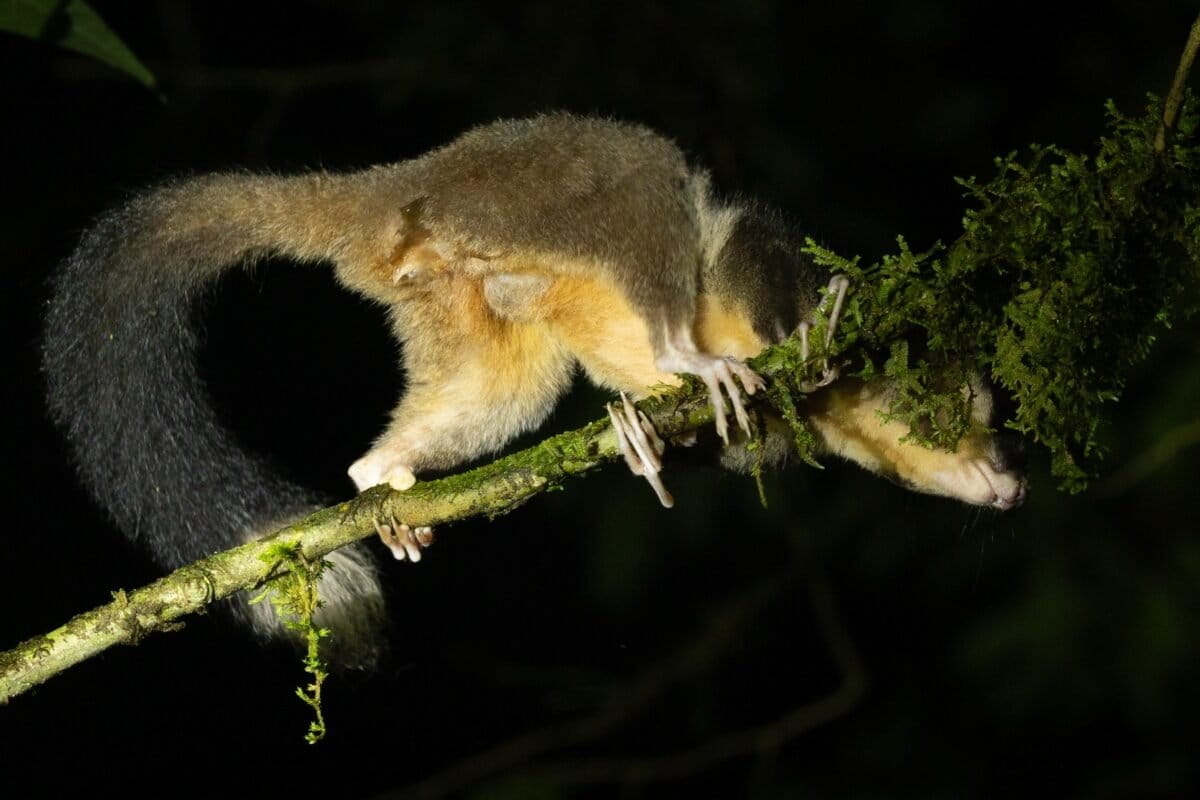
When Australian mammalogist Tim Flannery saw mysterious photos from 2015 showing a strange animal with large hands in Papua, he knew something amazing might be hiding in the forests. He turned to the people who really know these lands.
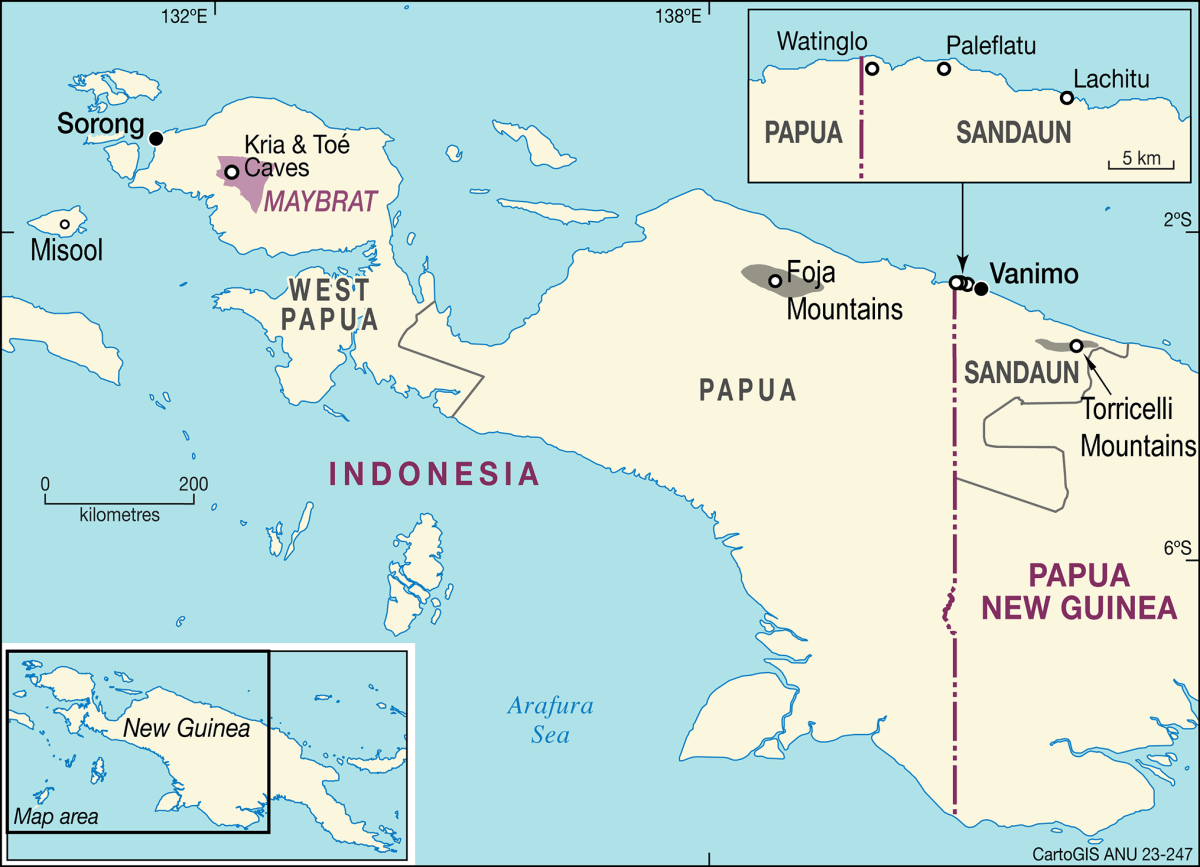
Flannery reached out to his colleague Rika Korain, a human rights lawyer and Indigenous Maybrat woman from Papua's Bird's Head Peninsula. She immediately thought of the Tambrauw elders, whose deep forest knowledge spans generations.
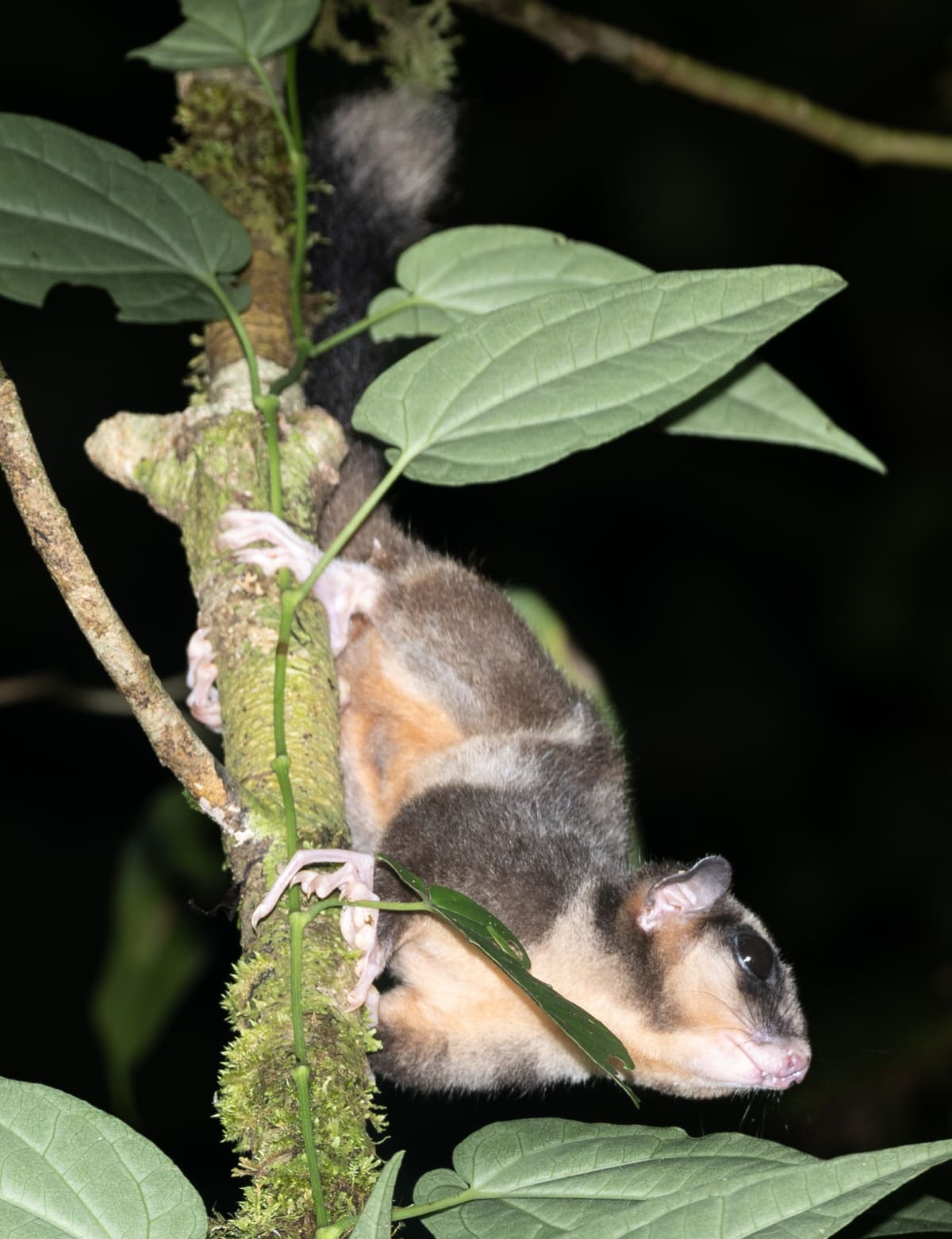
In 2023, Korain and Flannery sat down with two Tambrauw elders, Barnabas Baru and Carlos Yesnat. The elders confirmed what scientists had missed: the ring-tailed glider still lived in nearby forests, though logging near the town of Sorong had reduced its range.
The discovery proved that traditional knowledge can correct scientific assumptions. Scientists had declared the species extinct 6,000 years ago based on ancient bone and tooth fragments, but the Tambrauw people had known it all along.
The research team named the species Tous ayamaruensis, honoring the Maybrat and Tambrauw name. The animal is so unique it represents an entirely new genus among marsupials.
The same research team also confirmed another "extinct" species still exists: the pygmy long-fingered possum. A group of mammal watchers photographed one in 2023, overturning another scientific extinction claim.
Why This Inspires
For Flannery, who has spent 45 years studying New Guinea's mammals, this discovery confirms what he's learned throughout his career. "My career really is a result of the cumulative knowledge that's been passed on to me by tribal elders all across the island," he says. "They really are my great professors."
Korain discovered something even more profound during her conversations with the elders. The glider holds sacred status in Tambrauw culture, central to initiation rites and traditional education that teaches young men about hunting, medicinal plants, and spiritual practices.
Women in the community wouldn't even speak its name directly, referring to it only as "that animal." That reverence gave Korain clues about the glider's deep cultural importance and helped unlock memories of stories her father had told her.
The research team published their findings in Records of the Australian Museum, emphasizing the importance of "integrating both indigenous ways of knowing and understanding the world, and scientific approaches."
New Guinea remains what scientists call "a natural laboratory of diversification," home to countless species still being discovered. But development, agriculture, and logging threaten both the wildlife and the Indigenous communities who protect them.
Flannery hopes this collaborative approach will become a model for conservation, ensuring these rediscovered species survive for another 6,000 years and beyond.
More Images

Based on reporting by Mongabay
This story was written by BrightWire based on verified news reports.
Spread the positivity!
Share this good news with someone who needs it