Sahara's Stone Rings Hide 1,000-Year Cattle Tradition
Mount Arkanu's ancient rocky rings have sheltered nomadic herders and their cattle for millennia in one of Earth's driest places. Rock art on the walls proves this green oasis has been a lifeline in the Sahara for thousands of years.
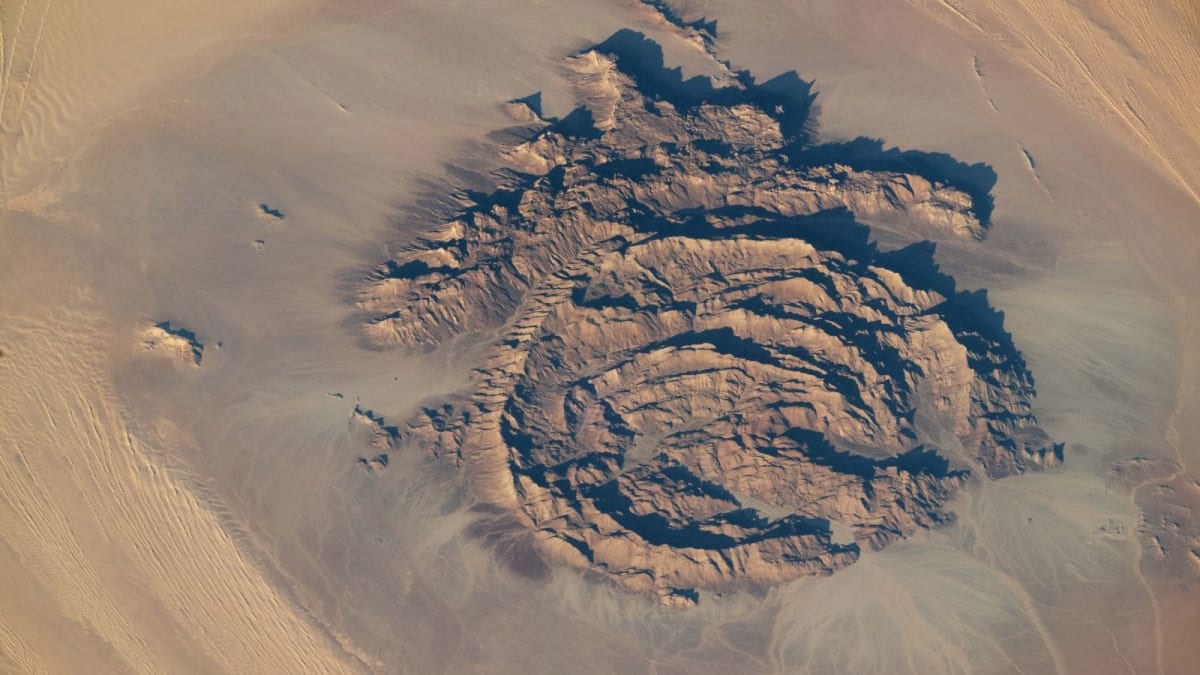
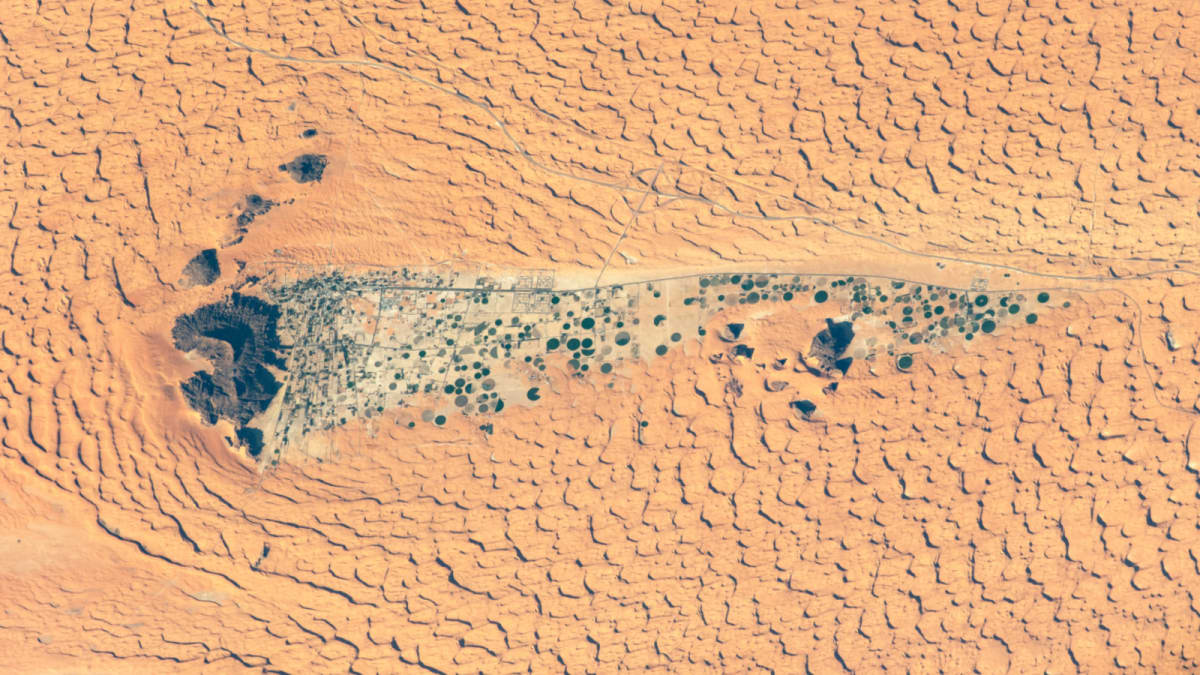
Deep in the Sahara Desert, a 15-mile-wide fortress of stone rings has been protecting cattle and their herders for over a thousand years.
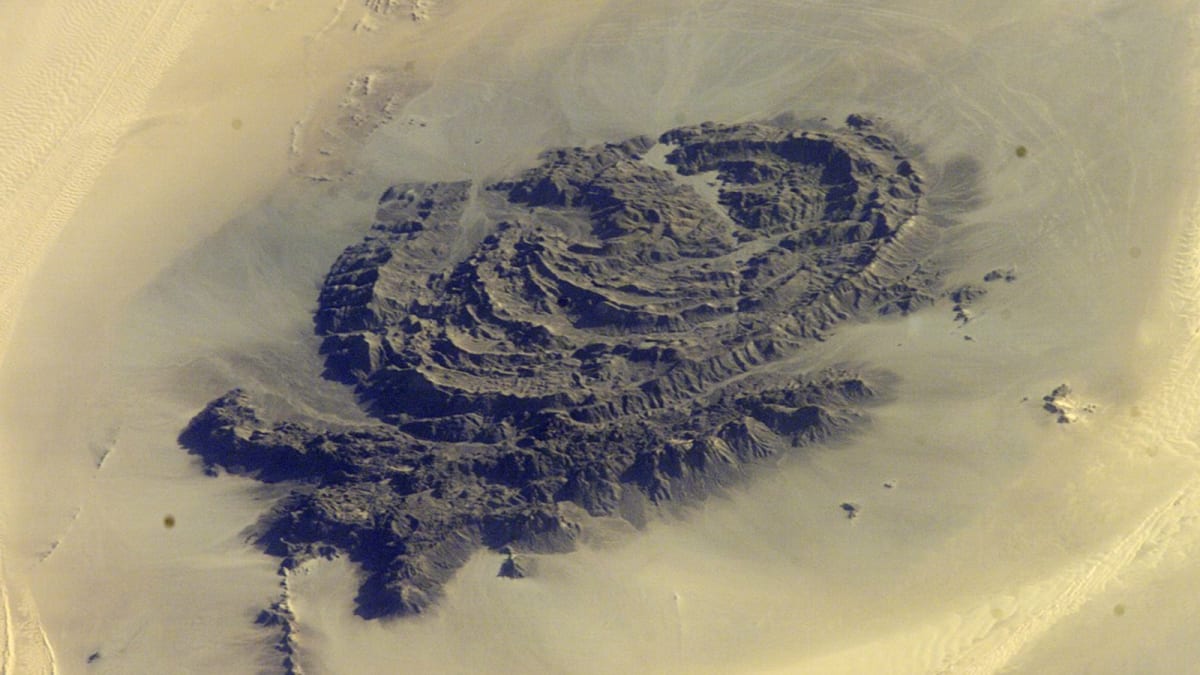
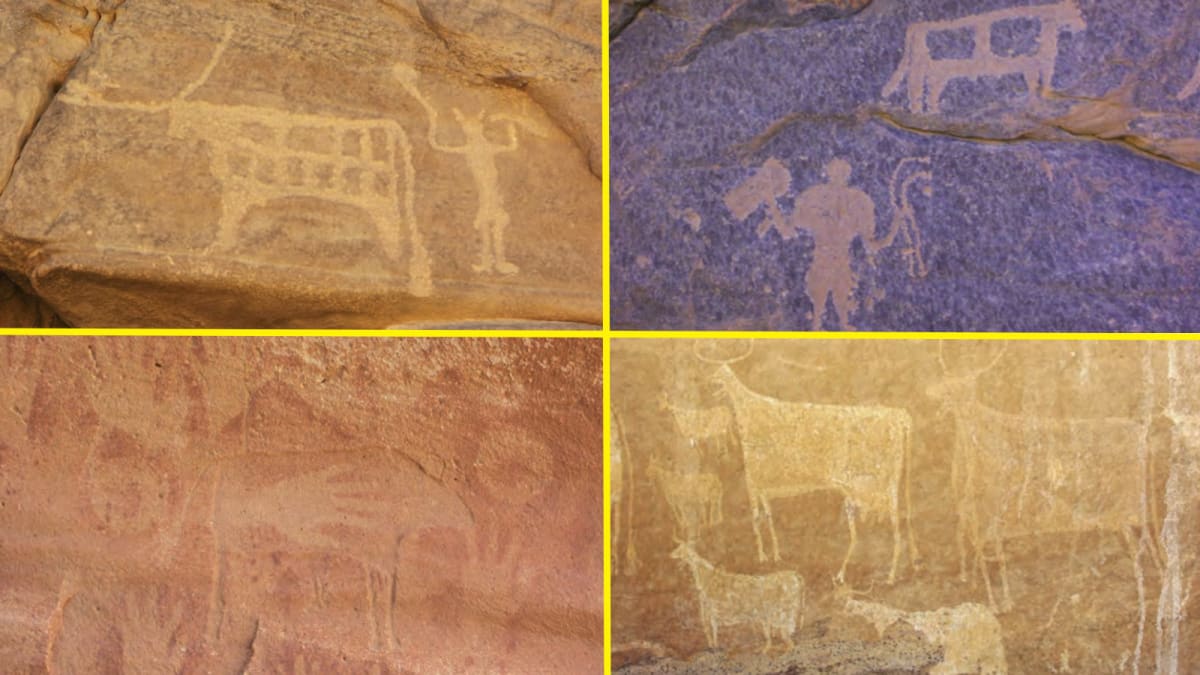
Mount Arkanu towers 2,600 feet above the Libyan sands near Egypt's border. Its concentric rocky walls form natural corrals that nomadic tribes have used to shelter their herds for millennia, and we know this because the ancient herders left proof carved into the stone.
The massif looks like something from another planet, with its distinctive "hat" formation perched on top of circular stone walls. Scientists once thought a meteor created this otherworldly landscape, but they discovered something even better: the rings formed hundreds of millions of years ago when magma repeatedly pushed toward the surface, creating overlapping circles of basalt and granite.
Two gaps in the southern walls, carved slowly by seasonal rivers called wadis, serve as natural gates. Early 20th-century explorers watched bedouin tribes drive their cattle through these openings, let them graze inside for up to three months, then block the exits to keep the animals from wandering into the deadly desert.
What makes this rocky fortress work as a cattle sanctuary comes down to simple math. The surrounding Sahara gets less than 5 millimeters of rain yearly, but Mount Arkanu receives double that amount because clouds form over its raised peaks. That extra water supports grasses, bushes and trees that the towering walls protect from scorching temperatures.
Why This Inspires
The petroglyphs discovered in 2003 tell a beautiful story of human resilience. Ancient artists carved images of people, cattle, giraffes and other animals into the canyon walls, creating a visual record of survival in one of Earth's harshest environments.
These aren't just decorative doodles. They're proof that people found creative solutions to impossible challenges, turning volcanic rock formations into sustainable grazing land. The same practice continues today, connecting modern herders to ancestors who walked these same stone corridors thousands of years ago.
A neighboring massif called Mount Awaynat, just 12 miles away, contains similar rock art and serves the same purpose for desert travelers. Together, these stone ring systems have been green refuges in an ocean of sand for longer than recorded history.
The tradition persists because the mountains keep doing what they've always done: catching rain, growing grass, and offering shade where almost nothing else survives.
More Images
Based on reporting by Live Science
This story was written by BrightWire based on verified news reports.
Spread the positivity!
Share this good news with someone who needs it