Sailors Join AI Mission to Map Pacific Garbage Patch
Racing sailors are becoming ocean scientists by carrying AI cameras through the world's largest plastic pollution zone. Their data will help clean up the Great Pacific Garbage Patch faster and smarter.
Sailors racing across the Pacific Ocean are getting a new mission: help map the world's largest floating trash heap so we can clean it up.
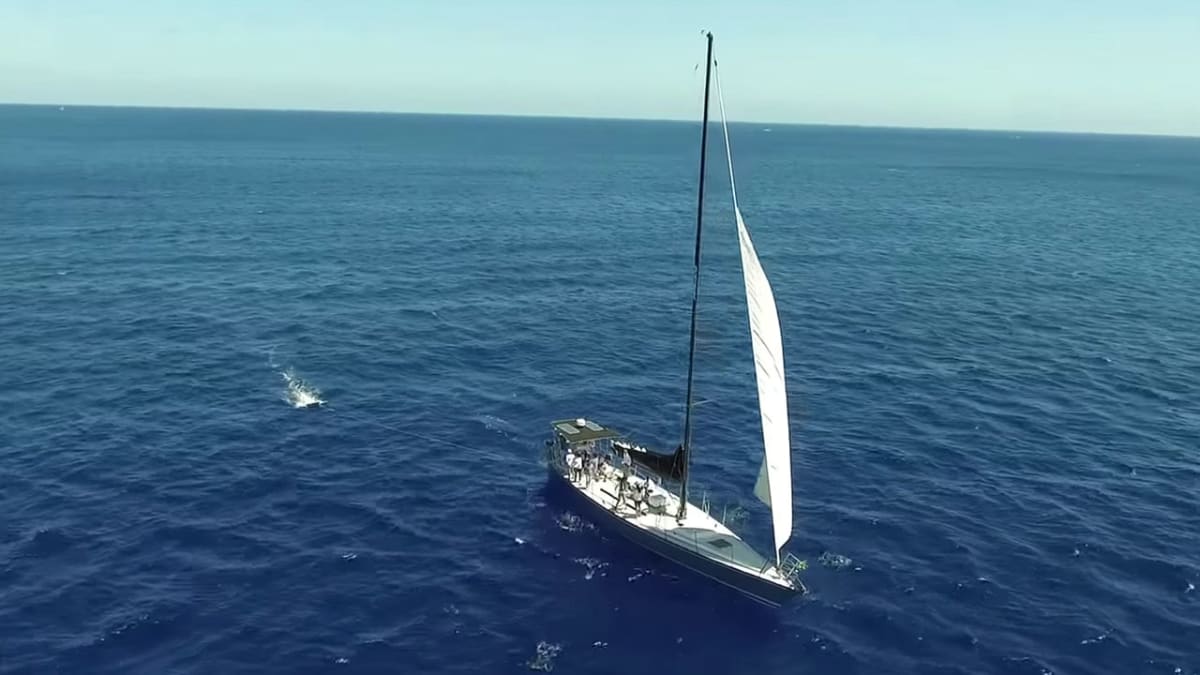
The Ocean Cleanup is asking Pacific Cup competitors to mount small AI cameras on their boats for the return trip between Hawaii and San Francisco. The journey takes them straight through the Great Pacific Garbage Patch, a floating plastic soup twice the size of Texas.
The technology is surprisingly simple. These compact cameras, about the size of a GoPro and weighing less than a pound, mount on a mast or railing and do all the work automatically. Using machine learning, they detect and classify plastic debris as the boat sails through, then beam the data back to researchers in Rotterdam.
"All of our participants have seen the increasing amount of plastic in the ocean during the race," said Bob Hinden, Commodore of the Pacific Cup Yacht Club. His sailors are ready to contribute to the solution.
The data will help The Ocean Cleanup improve their predictions of where plastic concentrates most heavily. That means they can target cleanup efforts more efficiently and economically, getting more plastic out with fewer resources.
The organization has already pulled nearly 500,000 kilograms of plastic from the patch using current methods. Now they're scaling up, building on a successful pilot program from last year's Transpac race.
The Ripple Effect: Turning recreational sailors into citizen scientists creates a network of ocean monitors across thousands of miles. Every boat that joins the effort adds another set of eyes, helping researchers understand how plastic moves and accumulates in real time. Sailors not racing in the Pacific Cup can still help by logging sightings through The Ocean Cleanup's citizen science app, expanding the reach even further.
The Great Pacific Garbage Patch contains an estimated 100,000 tons of plastic, much of it abandoned fishing gear dating back to the 1960s. It's a massive problem, but one that becomes more solvable with better data.
Dr. Peter Puskic, Senior Field Scientist at The Ocean Cleanup, sees the sailing community as natural partners in this work. "Pacific Cup sailors have been engaging in citizen science for many race cycles," he said, from testing new technologies to tracking marine life.
With nearly 200 team members and operations in 10 countries, The Ocean Cleanup has already collected over 47 million kilograms of trash from waterways worldwide since its founding in 2013.
The Pacific Cup starts July 6th, and every sailor who mounts a camera becomes part of the solution.
Based on reporting by Google News - Ocean Cleanup
This story was written by BrightWire based on verified news reports.
Spread the positivity!
Share this good news with someone who needs it