Sailors Join AI Ocean Cleanup in Pacific Garbage Patch
Racing sailors are becoming citizen scientists, using AI cameras to map plastic pollution in the Great Pacific Garbage Patch. The Ocean Cleanup is equipping Pacific Cup competitors with smart technology to detect debris and target future cleanup missions.
Sailors crossing one of the world's most polluted ocean regions are now helping scientists fight back against plastic waste with cutting-edge technology.
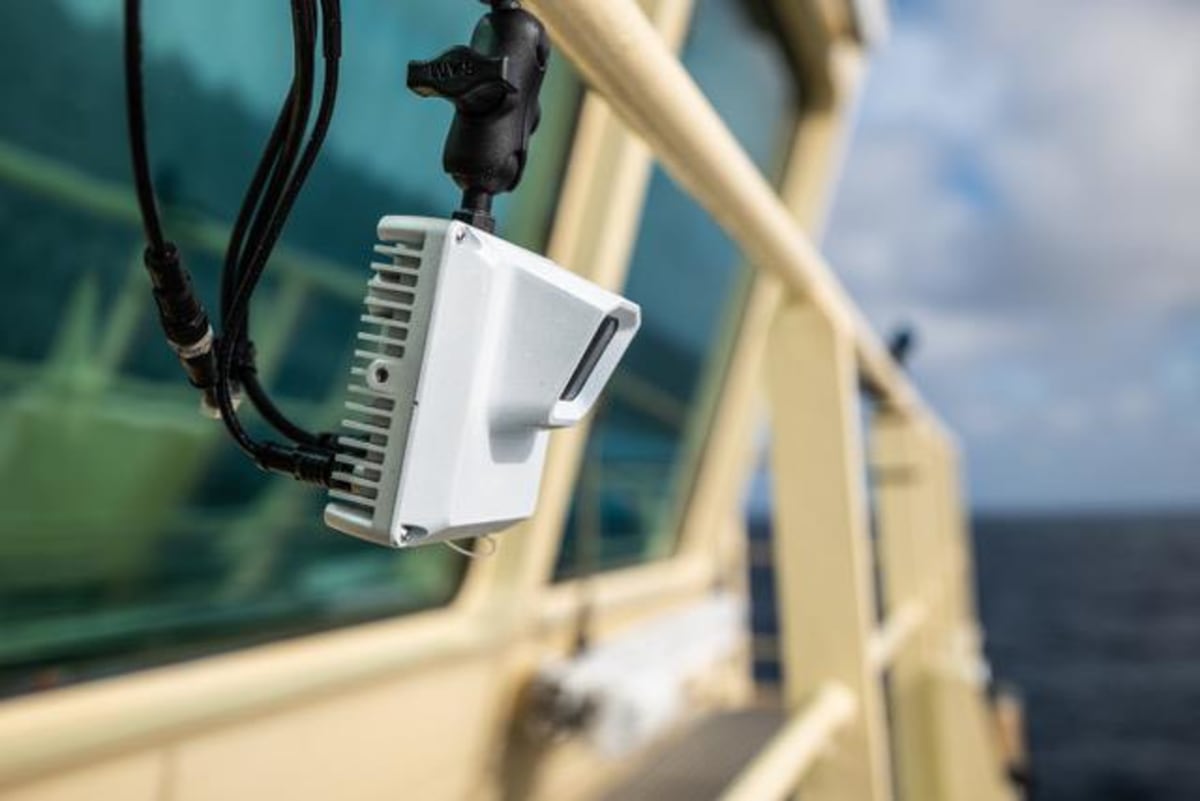
The Ocean Cleanup is inviting Pacific Cup racers to install compact AI cameras on their boats during the return leg from Hawaii to San Francisco. These GoPro-sized devices automatically detect and classify floating plastic debris, sending real-time data back to researchers in the Netherlands.
The race route cuts through the Great Pacific Garbage Patch, a floating mass of pollution twice the size of Texas. It's the most concentrated area of ocean plastic on Earth, holding an estimated 100,000 tons of trash, much of it abandoned fishing gear dating back to the 1960s.
Bob Hinden, Commodore of the Pacific Cup Yacht Club, said his sailors have watched the plastic problem grow worse over the years. Now they're excited to contribute real data that can help solve it.
The lightweight cameras weigh less than a pound and mount easily on masts or railings. A built-in machine learning model does the detective work, identifying plastic pieces and mapping their locations without requiring any effort from the crew.
The Ripple Effect
This collaboration turns recreational sailors into environmental researchers, scaling up a pilot program that started with last year's Transpac race. The data they collect helps The Ocean Cleanup improve its predictive models, making cleanup operations more effective and economical.
The results are already impressive. The organization has removed nearly 500,000 kilograms of plastic from the Great Pacific Garbage Patch so far, and recently crossed the 10 million kilogram milestone worldwide.
Dr. Peter Puskic, Senior Field Scientist at The Ocean Cleanup, sees the sailing community as natural allies in this fight. These crews spend time in remote ocean areas that researchers rarely access, providing valuable information about where plastic concentrates and how it moves.
Sailors who aren't racing in the Pacific Cup can still help through a citizen science app that logs plastic sightings. Every data point helps scientists understand the scope of ocean pollution and design better solutions.
The Pacific Cup begins July 6th, sending dozens of vessels through waters that desperately need attention and care from people who love them.
Based on reporting by Google News - Ocean Cleanup
This story was written by BrightWire based on verified news reports.
Spread the positivity!
Share this good news with someone who needs it