Salman Rushdie: Why Tyrants Fear Writers Without Weapons
Author Salman Rushdie, who survived a 2022 assassination attempt, returned to the stage with a powerful message about why authoritarian rulers have always feared artists. His insight offers hope: in the long run, art outlives tyranny.
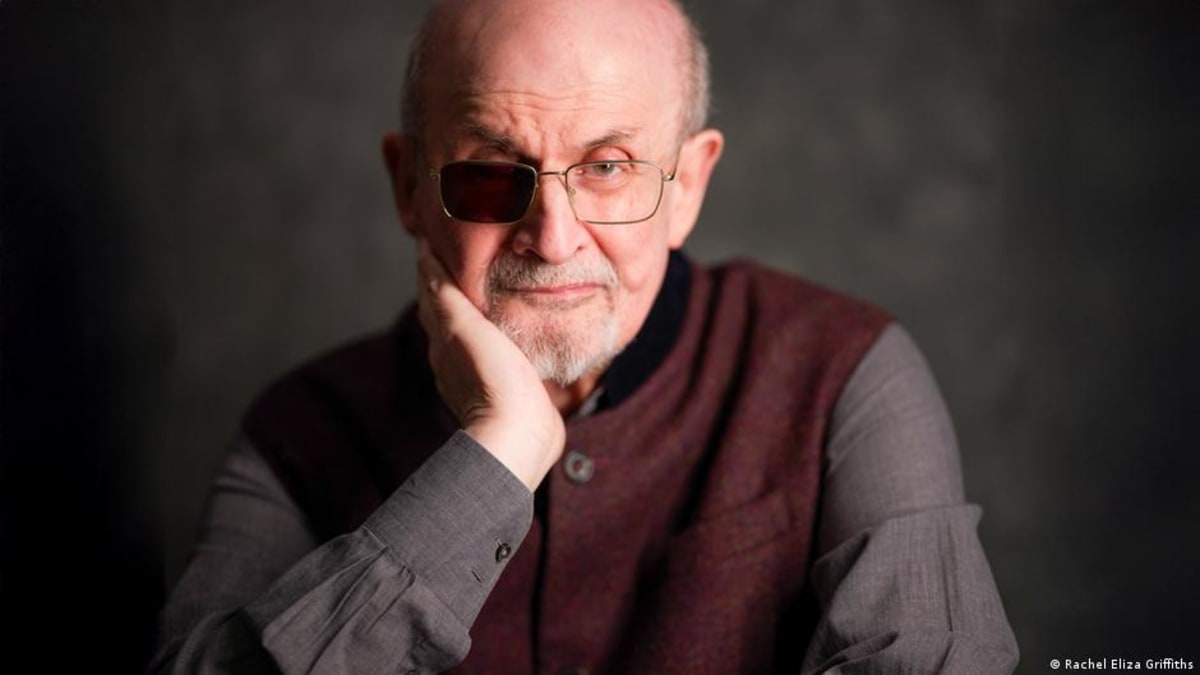
Standing ovations welcomed Salman Rushdie to a German literary festival in March, where the acclaimed author shared a truth that explains why dictators have always tried to silence writers. Despite nearly losing his life to an assassin's blade in 2022, Rushdie arrived with optimism intact and a new book exploring life's deepest questions.
The 77-year-old author appeared at LIT:potsdam just outside Berlin, joking about his stubborn hopefulness even as friends tease him for it. His latest work, "The Eleventh Hour," weaves humor through five stories about confronting mortality, drawing from his own brush with death.
But Rushdie didn't just discuss endings. He shared why powerful leaders throughout history have feared people armed only with pens and imagination.
"We don't have any tanks. We don't have AK-47s. We don't even have that big a following," Rushdie told the audience, which included former German Chancellor Olaf Scholz. "And yet they fear us."
The reason, he explained, is simple: literature exposes political lies. When authoritarian rulers twist reality and place themselves above the law, artists hold up mirrors that reveal the truth.
In "The Eleventh Hour," Rushdie included a pointed fairy tale about an Indian girl who uses music's power to topple a billionaire's empire. It's a story about art triumphing over those who abuse power.
Why This Inspires
Rushdie's appearance itself embodies resilience. After decades living under threats and surviving a brutal attack that nearly killed him, he continues writing, speaking, and entertaining audiences with witty stories.
His message carries weight because he's lived it. He rattled off names of writers who were banished, imprisoned, or murdered by regimes threatened by their words, yet whose work survived long after their oppressors turned to dust.
"In the long term, the tyrant dies and the art survives," Rushdie said plainly. "In the short term, the artist dies and the tyrant survives."
That acknowledgment of art's ultimate victory offers something precious: perspective. While authoritarian leaders may seem invincible in their moment, history shows their power is temporary.
Writers, artists, and musicians create work that outlasts empires. Their stories connect people across generations, preserving truths that no amount of propaganda can permanently erase.
Rushdie admits his optimism might look like "a kind of stupidity" given current world events. But watching him take that stage, entertaining crowds while still under police protection, proves that hope backed by courage is anything but stupid.
More Images
Based on reporting by DW News
This story was written by BrightWire based on verified news reports.
Spread the positivity!
Share this good news with someone who needs it