Salt Battery Could End EV Winter Range Anxiety
China's largest battery maker just cracked a problem that's plagued electric cars since day one: batteries that die in the cold. The secret ingredient? Table salt.
If you've ever watched your electric car's range plummet on a frozen morning, help might be coming from an unexpected place: your kitchen table.
Chinese battery giant CATL just announced a sodium-ion battery that keeps charging and delivering power at temperatures as low as negative 58 degrees Fahrenheit. The first cars using this technology will hit roads in China by mid-2026, made by automaker Changan.
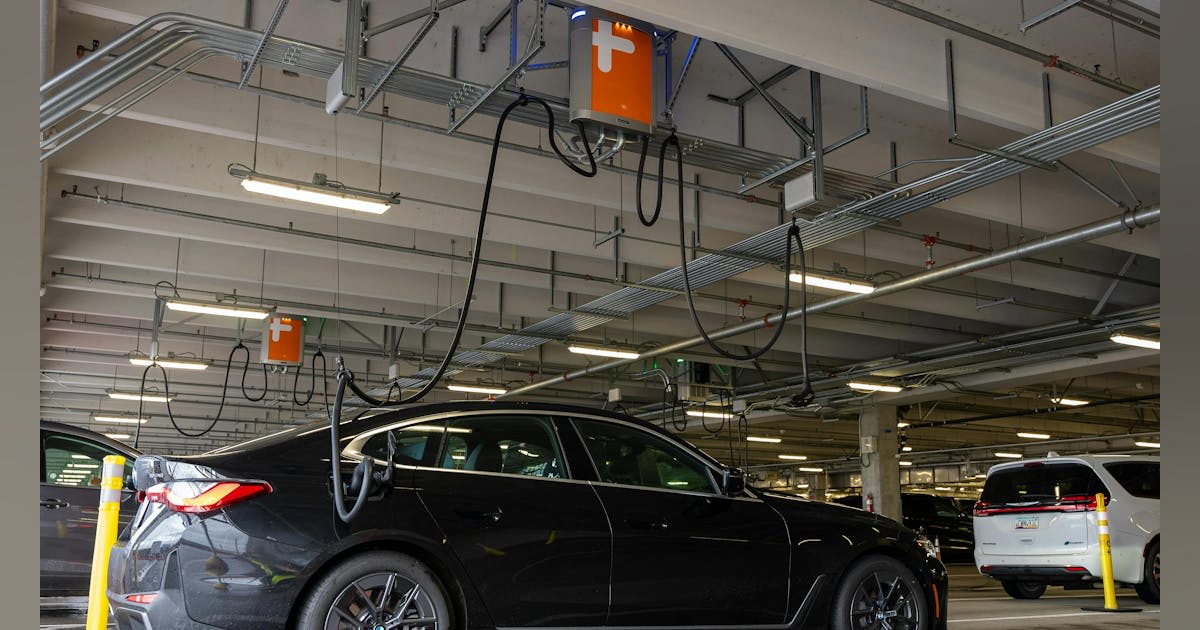
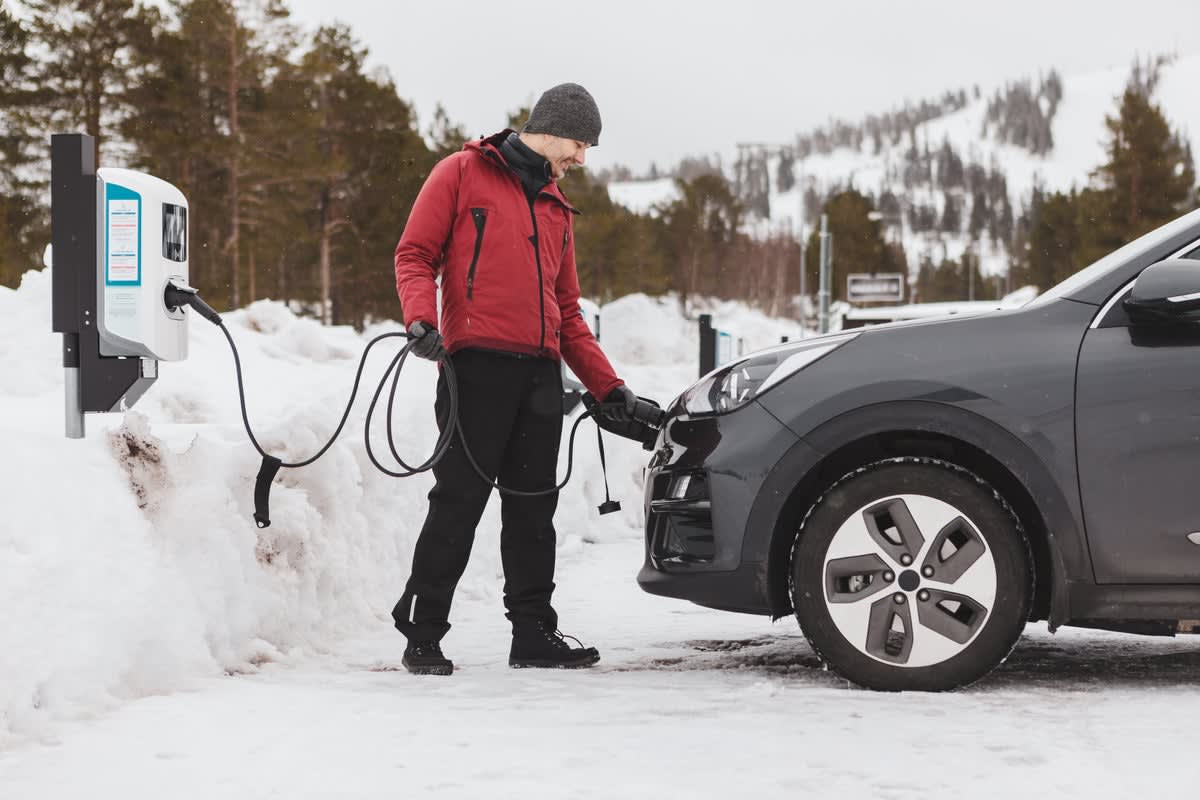
The breakthrough matters because cold weather has been electric vehicles' Achilles heel. Lithium-ion batteries, which power most EVs today, slow down dramatically when temperatures drop. Charging takes longer, range shrinks, and drivers are left anxiously eyeing their battery percentage.
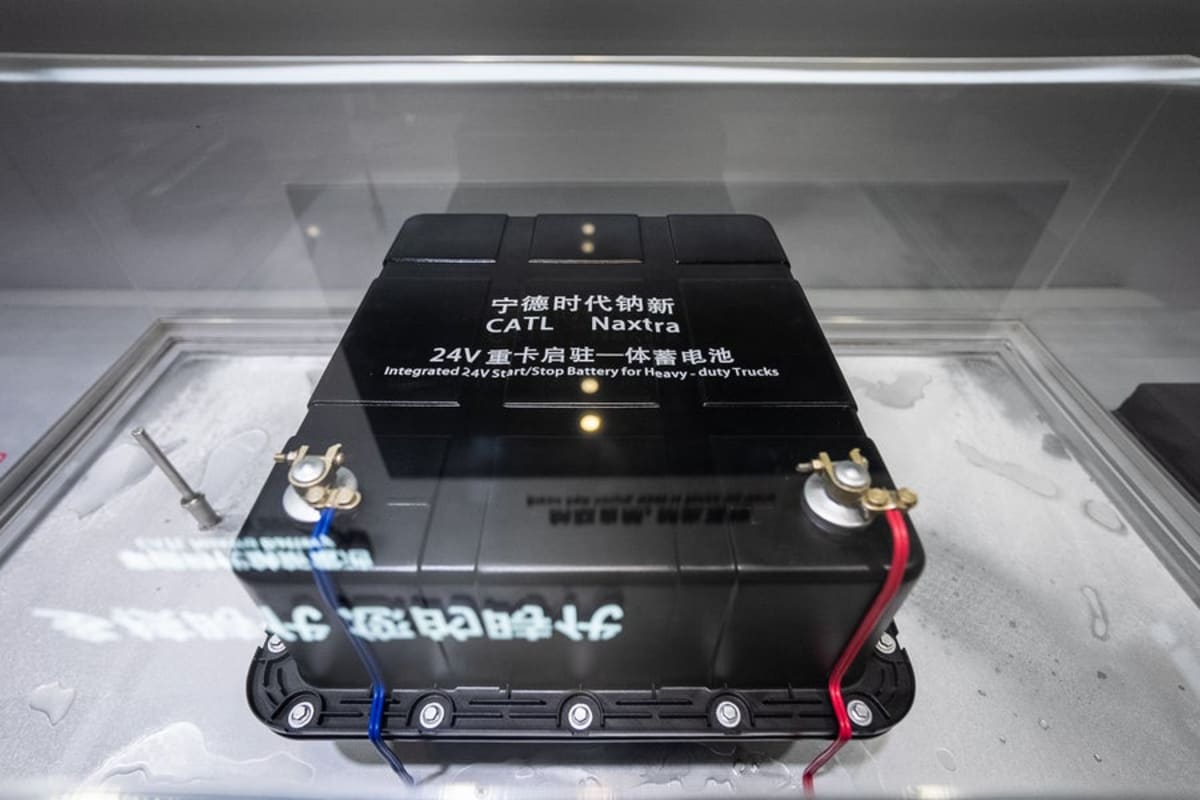
CATL's Naxtra battery swaps lithium for sodium, the abundant element found in table salt. Sodium ions are larger than lithium ions, but they form weaker bonds with the battery's liquid electrolyte. That means they can still move freely even when cold weather makes that liquid thick and sluggish.
The numbers are impressive. At negative 22 degrees Fahrenheit, Naxtra delivers nearly three times the discharge power of standard lithium iron phosphate batteries used in most Chinese EVs. At negative 40 degrees, it can still charge to 90 percent capacity.
Battery researcher Liu Chenguang from Xi'an Jiaotong-Liverpool University says this could be a game changer for cold climates. "Cold weather makes all ions move slower, but sodium-based systems are often less affected, so they can keep more power and capacity in winter."
The new battery also packs more energy than earlier sodium versions. With 400 kilometers of range (about 250 miles) and energy density reaching 90 percent of current lithium batteries, it's finally practical for everyday driving, not just short city trips.
CATL has invested $1.4 billion and over 300 staff members into developing sodium-ion technology over the past decade. Their first attempt in 2023 fell flat with only 105 miles of range, but Naxtra shows how far they've come.
Why This Inspires
This isn't just about one company's engineering win. It's about making electric vehicles work for everyone, everywhere, regardless of zip code or climate zone.
For years, EV adoption has been concentrated in temperate regions where batteries perform best. Drivers in Minnesota, upstate New York, Canada, and northern Europe have had legitimate reasons to hesitate. Range anxiety gets real when your commute depends on a battery that loses 40 percent of its capacity overnight.
Sodium-ion technology could democratize the electric revolution. The element is abundant and cheap, potentially lowering costs. And unlike lithium, which is mined in limited locations, sodium can be sourced almost anywhere.
Independent analyst Xing Lei cautions that CATL's figures come from controlled lab tests, and real-world performance will vary. But even if the actual numbers come in lower, the direction is clear: winter no longer has to be the enemy of electric driving.
The cars won't reach American dealerships anytime soon, but the technology they prove out could reshape the entire industry within a few years.
More Images


Based on reporting by Google News - Electric Vehicle
This story was written by BrightWire based on verified news reports.
Spread the positivity!
Share this good news with someone who needs it