Salt Battery Keeps EVs Running at -58°F in Winter
China's biggest battery maker just solved EVs' cold weather problem with sodium-ion technology that charges in frigid temps. The breakthrough could transform electric driving in Minnesota, Canada, and beyond.
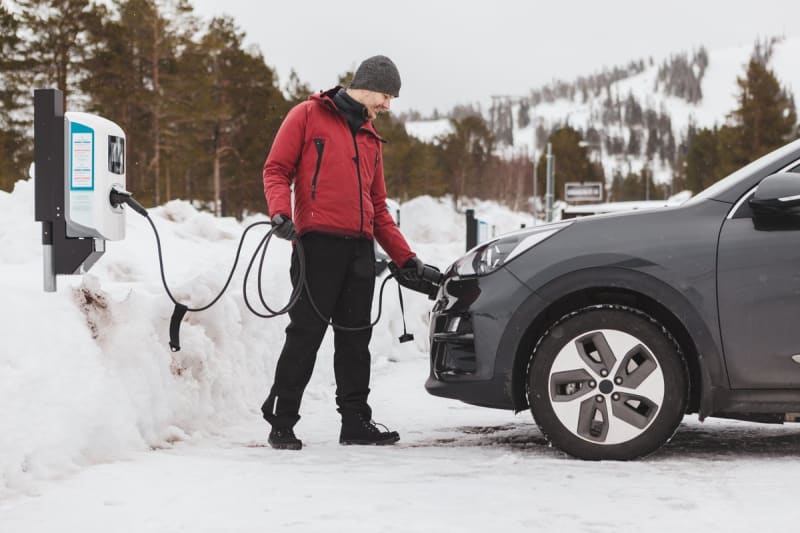
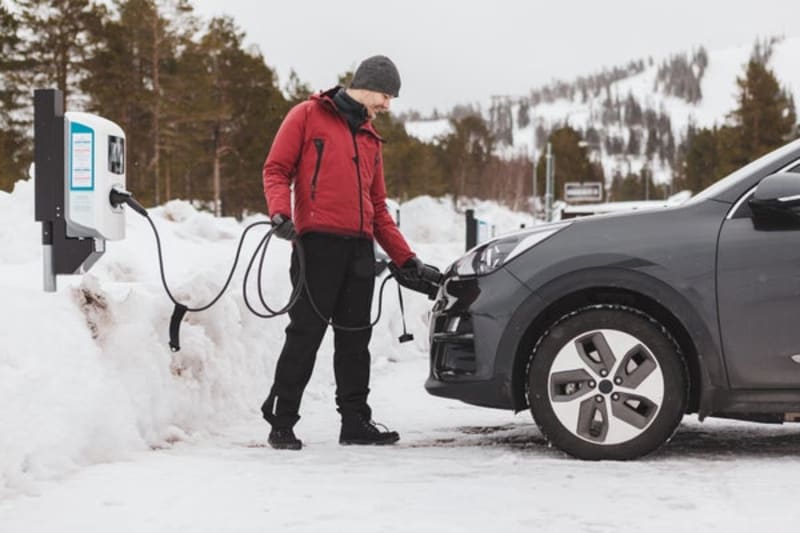
For electric vehicle owners in cold climates, winter mornings mean watching their car's range disappear before their eyes. A new battery made from common table salt could finally end that frustration.
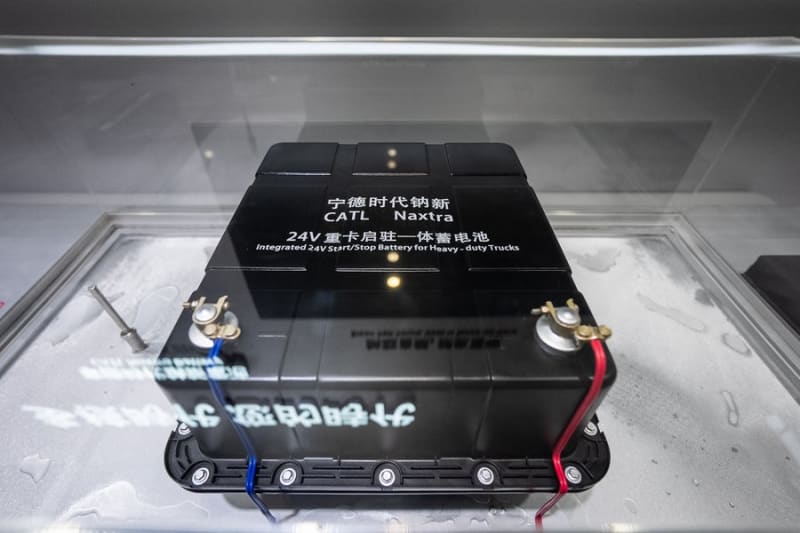
CATL, the world's largest EV battery maker, announced its Naxtra sodium-ion battery will hit Chinese roads by mid-2026 in cars from manufacturer Changan Automobile. The breakthrough technology keeps charging and delivering power at temperatures as low as -58°F, where most lithium-ion batteries barely function.
The secret lies in swapping lithium for sodium, an abundant element found in everyday salt. While sodium ions are physically larger, they form weaker bonds with the battery's liquid core, allowing them to move freely even when extreme cold turns that liquid thick and sluggish.
CATL claims the Naxtra battery delivers nearly three times the power of standard lithium batteries at -22°F. At -40°F, it still charges to 90 percent capacity in controlled tests.
"Cold weather makes all ions move slower, but sodium-based systems are often less affected, so they can keep more power and capacity in winter," explains Liu Chenguang, a battery researcher at Xi'an Jiaotong-Liverpool University in China.
The company invested $1.4 billion and deployed over 300 staff to develop the technology over the past decade. Their first sodium-ion vehicle in 2023 flopped with only 105 miles of range, but the new Naxtra version promises 250 miles on China's testing cycle.
Battery researcher Kenil Rajpura from India's Pandit Deendayal Energy University calls Naxtra's energy density "the upper commercial boundary" of current sodium-ion technology. At 175 watt-hours per kilogram, it reaches 90 percent of standard lithium batteries while dramatically outperforming them in cold weather.
The real test comes when actual drivers take these vehicles through harsh winters. Laboratory numbers don't always translate perfectly to real-world conditions, according to U.S.-based analyst Xing Lei, who suggests taking the figures "with a grain of salt."
Why This Inspires
This innovation addresses one of the biggest barriers keeping people from switching to electric vehicles. Range anxiety gets worse in winter, stranding drivers or forcing them to charge more frequently in freezing conditions.
Sodium-ion technology also uses materials far more abundant than lithium, potentially lowering costs and reducing environmental impact from mining. While these first vehicles likely won't reach American roads immediately, CATL supplies 40 percent of the world's EV batteries, giving the technology a clear path to global adoption.
Drivers in Minnesota, upstate New York, Canada, and northern Europe could soon enjoy reliable electric transportation year-round, proving that going green doesn't mean giving up performance when temperatures drop.
More Images


Based on reporting by Scientific American
This story was written by BrightWire based on verified news reports.
Spread the positivity!
Share this good news with someone who needs it