Same-Sex Behavior in Primates Aids Survival, Study Finds
A groundbreaking study of 491 primate species reveals that same-sex behavior is widespread across apes and monkeys, serving as an evolutionary advantage for survival. Scientists found these behaviors help animals reduce conflict, build bonds, and navigate complex social groups.
Scientists just completed the most comprehensive review of same-sex behavior in primates ever conducted, and the findings challenge old assumptions about the natural world.
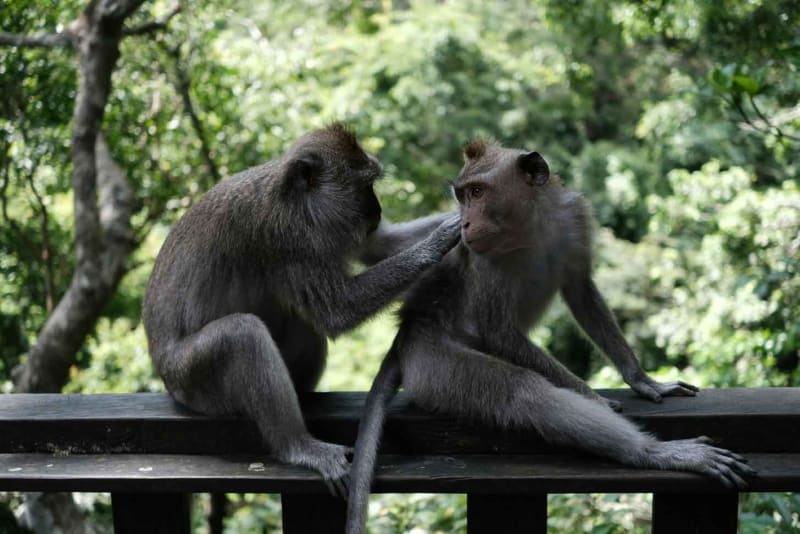
Researchers analyzed 491 non-human primate species, documenting same-sex behavior in 59 of them and declaring it common in 23 species. The study, published in Nature Ecology & Evolution, reveals these behaviors aren't random but serve important survival purposes.
"Same-sex sexual behavior is widespread across non-human primates, but we see different patterns of social behaviors and interactions across the different species," said lead author Chloe Coxshall of Imperial College London's Georgina Mace Centre for the Living Planet. Her team discovered that environmental pressures and social structures strongly influence these patterns.
The research found that primates living in harsher conditions were more likely to engage in same-sex behaviors. Species facing drier climates, scarce food resources, or greater predator threats showed higher rates of these interactions in both male-male and female-female relationships.
Species with longer lifespans, noticeable physical differences between sexes, or complex social lives also demonstrated more same-sex behavior. The pattern suggests these interactions evolved as tools for forming alliances, maintaining group harmony, and managing conflict.
Why This Inspires
Vincent Savolainen, director of the Georgina Mace Centre for the Living Planet, explained that same-sex behavior acts as a "currency" for some primates, helping them increase opportunities and share resources. "What we found shows that same-sex is not like something bizarre, aberrant, or rare," he said. "It's everywhere, it's very useful, it's very important."
The study documents over 1,500 species across the animal kingdom that engage in same-sex behavior, including whales, penguins, fish, and sheep. This research adds crucial depth to our understanding of primate societies specifically.
While the findings shouldn't be directly translated to human LGBTQ+ experiences, they do challenge outdated views. "There was a time where people would think this is only happening when you put two baboons in a zoo that can't do anything else," Savolainen told Scientific American. "So, yeah, things are changing."
The researchers suggest that exploring how environmental and social factors influenced these behaviors in both human and non-human primates could reveal fascinating insights about our own evolution.
Nature continues teaching us that diversity in behavior serves survival, not just in humans but across the animal kingdom.
More Images

Based on reporting by Good Good Good
This story was written by BrightWire based on verified news reports.
Spread the positivity! 🌟
Share this good news with someone who needs it