Insects Need Our Help: 31% Decline Linked to Invasives
A groundbreaking global study reveals insects aren't just pests—they're victims of invasive species that slash their populations by nearly a third. Scientists say protecting bugs now means saving the pollination and pest control services we all depend on.
While headlines often warn about invasive insects threatening our gardens, a major new study flips the script: insects themselves are under attack, and they need our protection.
Researchers at the UK Centre for Ecology & Hydrology analyzed data from six continents and discovered that invasive alien species reduce insect populations by 31% on average. Species richness drops by 21%, threatening the tiny creatures that pollinate our crops and keep ecosystems balanced.
The study, published in Nature Communications, found that some insect groups suffer more than others. True bugs like aphids and cicadas saw the steepest decline at 58%, while bees, wasps, and ants dropped by 37%. Even grasshoppers and crickets declined by 27%.
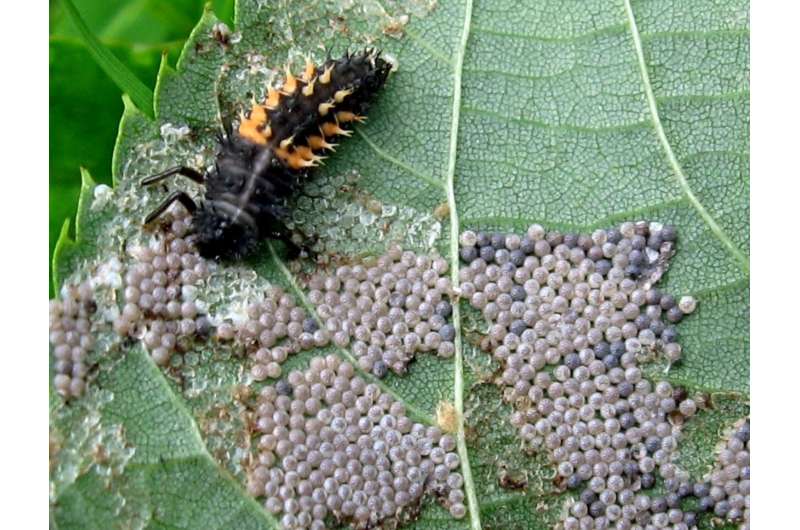
How does this happen? Invasive animals outcompete or eat native insects, while invasive plants replace the native vegetation that insects rely on for food. As global temperatures warm and international travel increases, non-native species spread faster and find more places where they can thrive.
Lead researcher Grace Skinner emphasizes that insects are already struggling worldwide. When we lose them, we lose essential services like pollination and natural pest control that support our food systems and biodiversity.
The study focused on four insect orders representing 62% of all known insect species. Until now, scientists understood how urbanization and pollution hurt bugs, but this marks the first global look at how invasive species impact them.
The Bright Side
The good news? Unlike some environmental threats, invasive species are a challenge we can actually tackle. Scientists say stronger cross-border biosecurity measures can stop species from spreading to new regions in the first place.
Even better, individual actions make a real difference. Gardeners can choose native plants that support local insects. Anglers, boaters, and outdoor workers can follow "check, clean, dry" protocols to avoid accidentally transporting invasive species on their equipment.
Dr. Joseph Millard from the University of Cambridge hopes this research sparks more studies on how climate change and invasive species interact. Understanding these connections will help us protect the insects that quietly keep our world running.
The message is clear: insects aren't the enemy, and protecting them protects us too.
More Images



Based on reporting by Phys.org
This story was written by BrightWire based on verified news reports.
Spread the positivity! 🌟
Share this good news with someone who needs it