Search

Find uplifting stories about heroes, innovations, and solutions

280 results for "pollinators"

Bees Pollinate One-Third of Our Food Supply
Planet WinsApr 23

Bees Pollinate One-Third of Our Food Supply

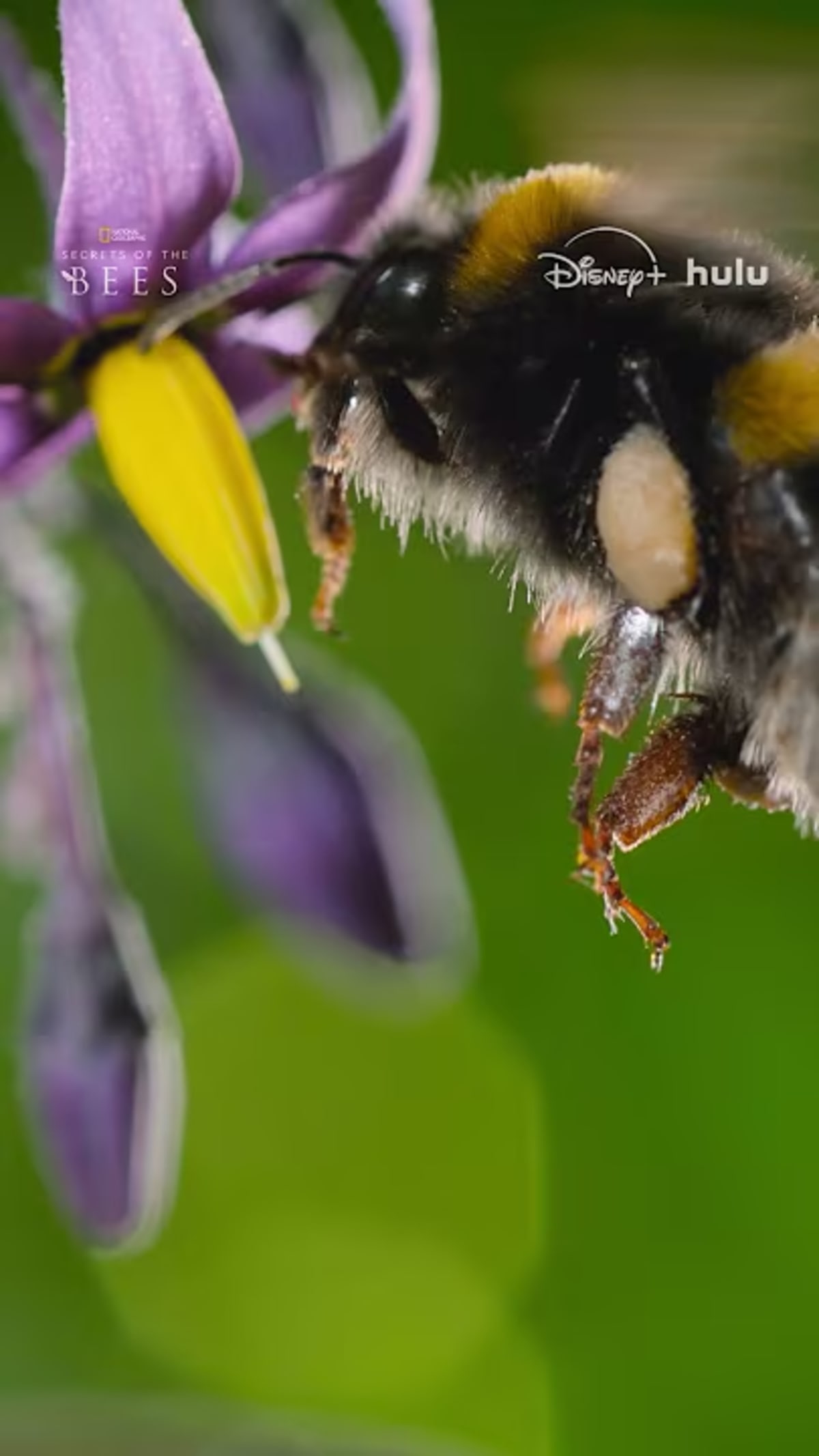
Tiny bees are responsible for pollinating a third of the food we eat, making them essential partners in feeding the world. A new National Geographic documentary celebrates these vital pollinators and reminds us why protecting them matters.

National Geographic2 min read
South Carolina Volunteers to Count Pollinators This August
Acts of KindnessMay 11

South Carolina Volunteers to Count Pollinators This August

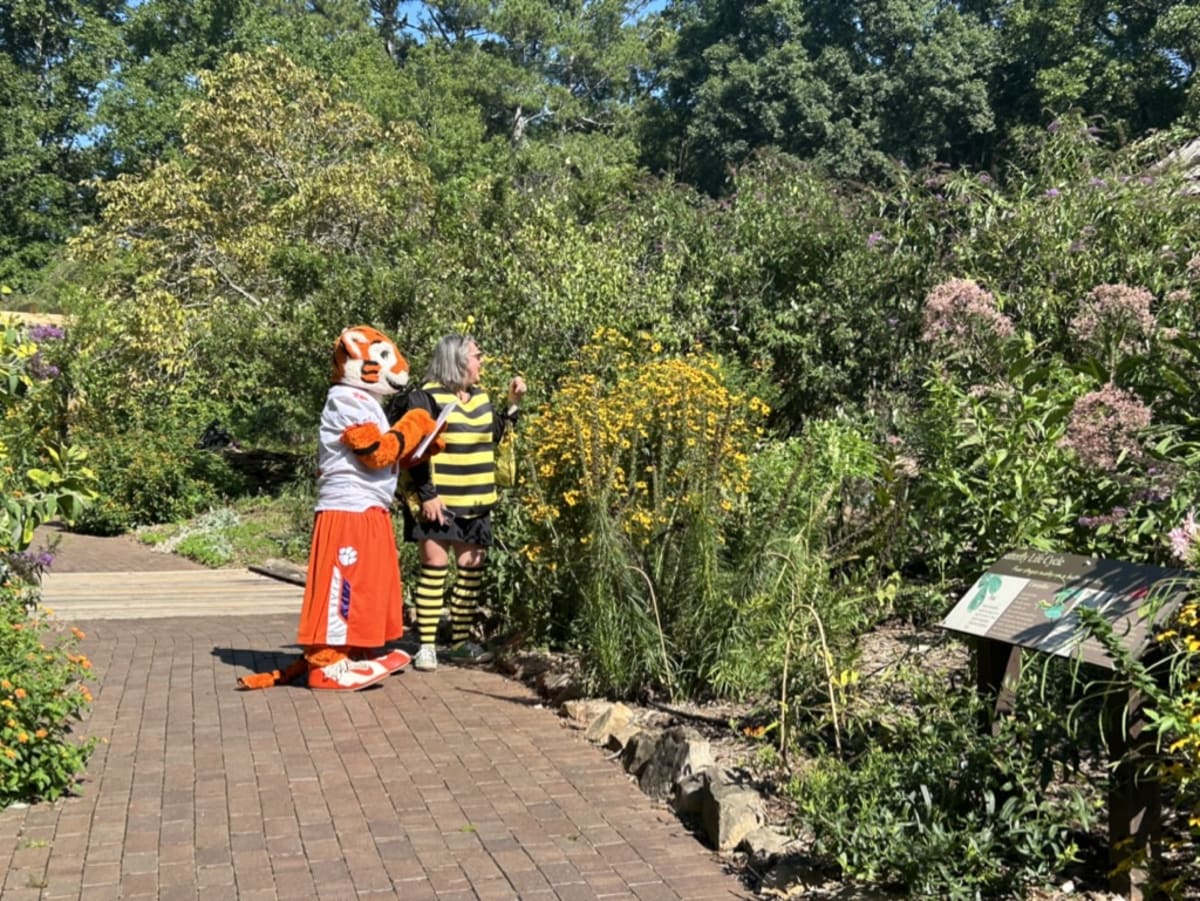
This August, anyone in South Carolina can spend just 15 minutes helping scientists track the bees and butterflies that keep our food systems thriving. Clemson Extension is recruiting volunteers for a region-wide pollinator census that turns curious community members into conservation heroes.

Google: volunteers help2 min read
Maryland Bans HOAs From Blocking Pollinator Gardens
Planet WinsMay 31

Maryland Bans HOAs From Blocking Pollinator Gardens

After a couple faced legal threats for their native plant garden, Maryland passed a groundbreaking law protecting pollinator habitats from restrictive homeowner associations. The victory could inspire similar protections nationwide as communities work to save struggling bee populations.

Live Science3 min read
The Humble Daisy Feeds 11% of Urban Pollinators
Planet WinsMar 1

The Humble Daisy Feeds 11% of Urban Pollinators

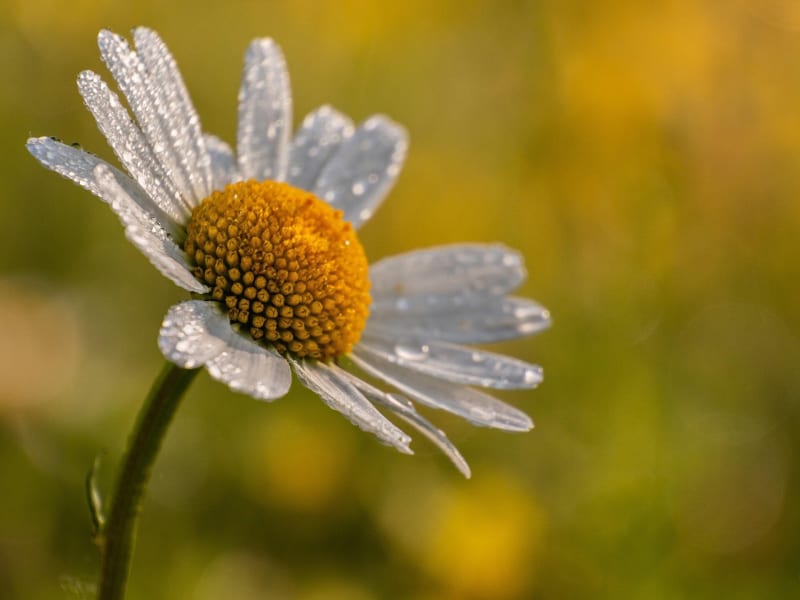
Scientists reveal that common lawn daisies provide crucial food for urban bees and butterflies, making those "weeds" in your yard secret heroes for city wildlife. Each cheerful flower is actually a collection of 100 tiny blooms working together as a pollinator buffet.

Phys.org2 min read
Colorado Suburb Doubles as America's First Pollinator Haven
Planet WinsApr 4

Colorado Suburb Doubles as America's First Pollinator Haven

A Colorado neighborhood designed to save bees and butterflies has seen pollinator populations jump 548% in just two years. The community proves homes and habitats can thrive together.

Good Good Good2 min read
Pretty Gardens Can Feed Pollinators Too, Study Finds
Planet WinsApr 13

Pretty Gardens Can Feed Pollinators Too, Study Finds

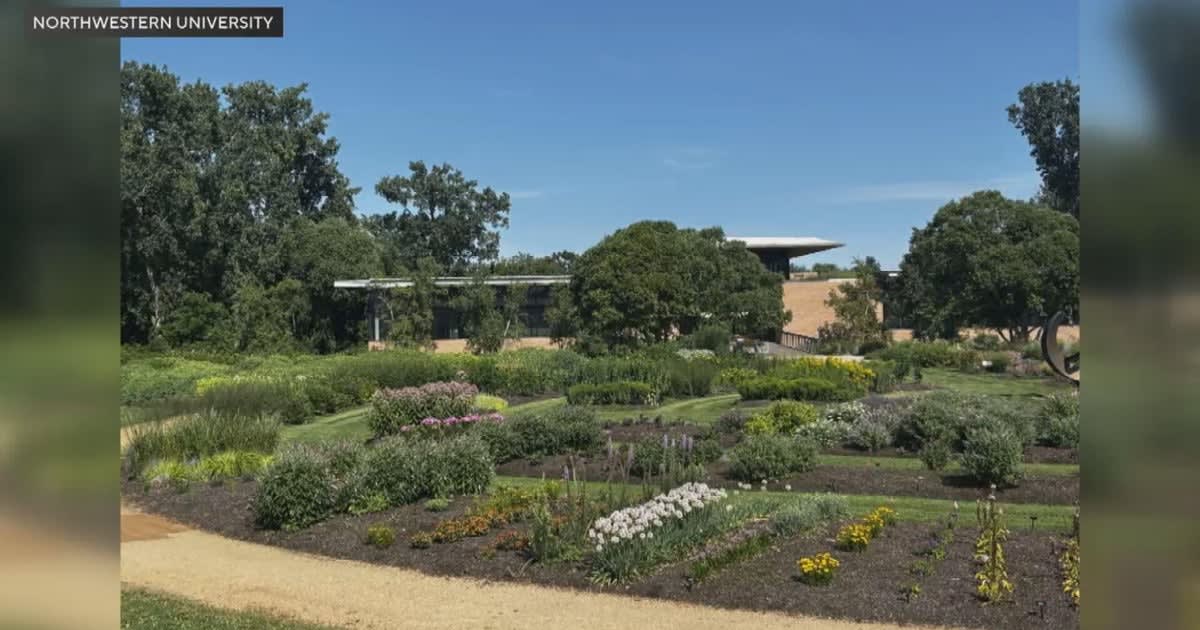
Northwestern University researchers discovered that cultivated garden flowers can support bees and butterflies just as well as wild native plants. The finding opens pollinator gardening to anyone who wants beauty and ecological value in their yard.

Google News - Researchers Find2 min read
UK Parks Foundation Doubles Donations to Save Pollinators
Planet WinsApr 24

UK Parks Foundation Doubles Donations to Save Pollinators

A UK charity is matching every pound donated to restore pollinator habitats in local parks, turning £10 gifts into £20 of real impact. The campaign runs for just one week this April, with a goal of raising £8,000 for bees, butterflies, and community green spaces.

Google: charity donation2 min read
German Villages Hide Secret Pollinator Havens in Plain Sight
Planet WinsMar 7

German Villages Hide Secret Pollinator Havens in Plain Sight

Scientists studying 40 German villages discovered that wild bee diversity thrives in unexpected places like overgrown lots and green spaces, not manicured flower beds. The findings show even small villages can become crucial lifelines for struggling pollinator populations.

Phys.org3 min read
Middle Schoolers Make Seed Pods to Save Local Pollinators
Acts of KindnessMar 20

Middle Schoolers Make Seed Pods to Save Local Pollinators

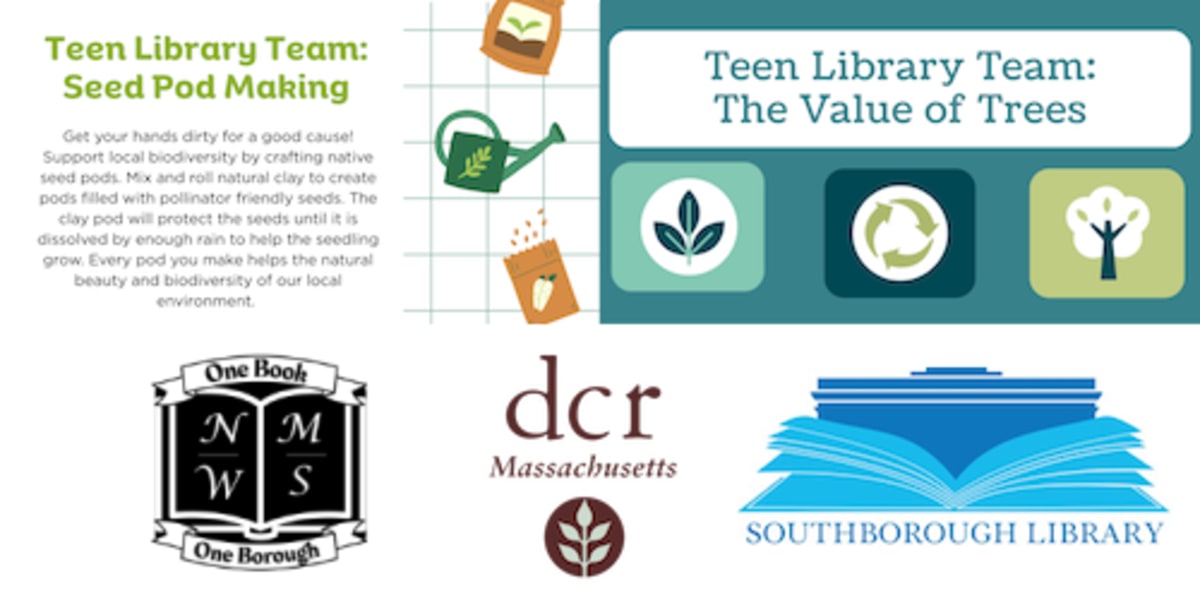
Teens in Southborough, Massachusetts are getting their hands dirty for biodiversity, crafting seed pods filled with native plants that help struggling pollinators survive. The volunteer program teaches environmental science while earning students community service credits.

Google: volunteers help2 min read
Bees Support 44% of Farming Income in Nepal Communities
Planet WinsMay 6

Bees Support 44% of Farming Income in Nepal Communities

Scientists discovered that bees and other pollinators directly provide nearly half of farming income and vital nutrients for families in Nepal's smallholder communities. The research reveals a clear path to fight poverty and malnutrition through better pollinator management.

Nature News2 min read
Bumblebees Use Vibrations to Unlock Hidden Pollen
Planet WinsApr 8

Bumblebees Use Vibrations to Unlock Hidden Pollen

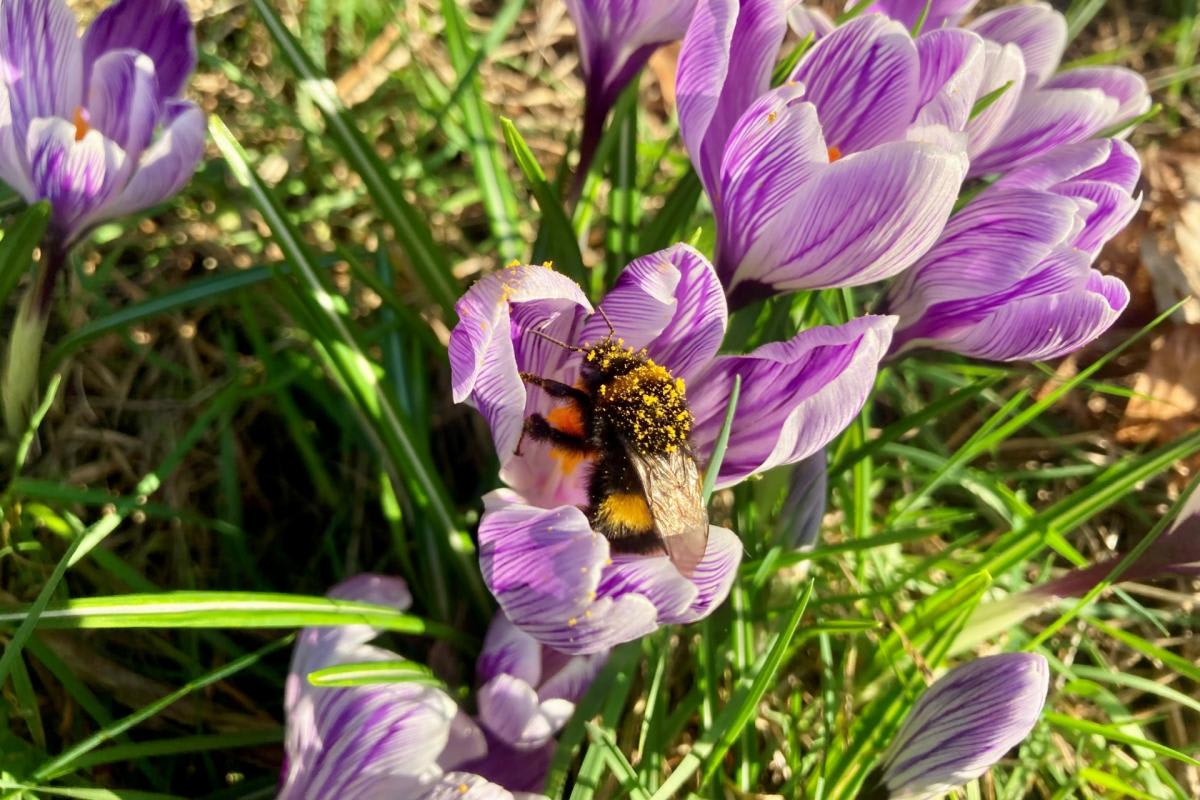
Scientists captured buff-tailed bumblebees using a remarkable technique called "buzz pollination" to access pollen other insects can't reach. The tiny pollinators vibrate their bodies like jackhammers to shake loose clouds of pollen, then pack it into special baskets on their legs. ##

National Geographic2 min read
Tequila-Making Bats Get Sweet Deal in Mexico's Agave Boom
Planet WinsJun 15

Tequila-Making Bats Get Sweet Deal in Mexico's Agave Boom

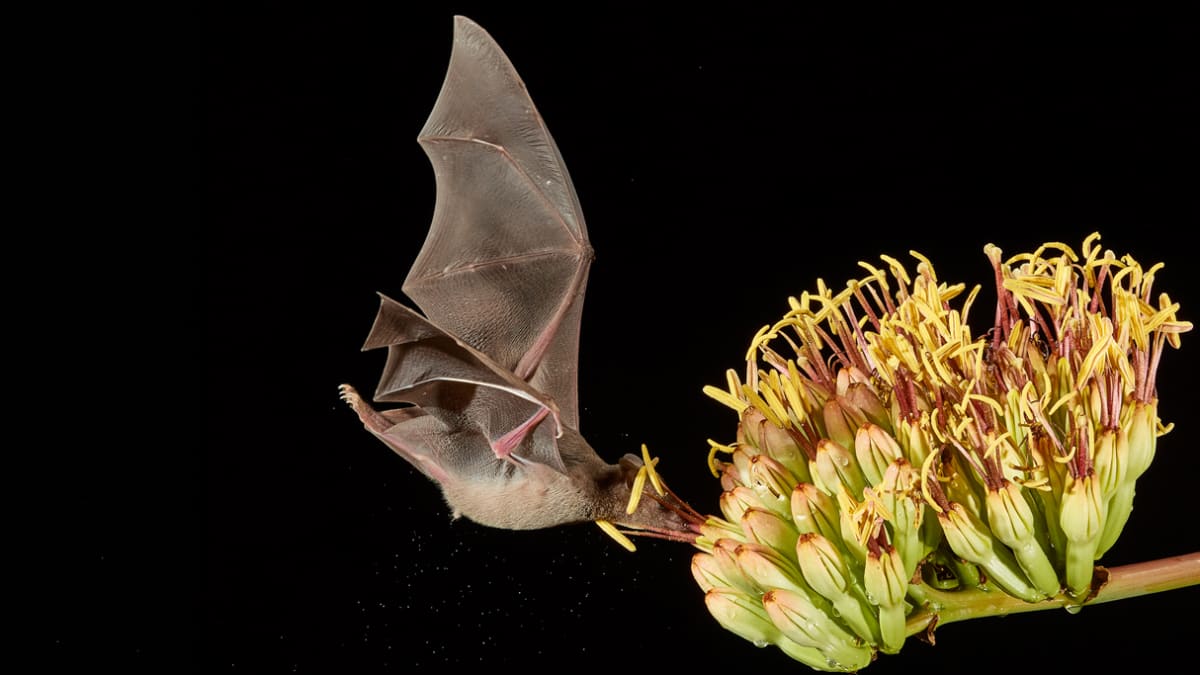
Mexican long-tongued bats use 3-inch tongues to pollinate the agave plants that make tequila, creating an unexpected partnership between conservation and spirits. Some mezcal producers now reserve 30% of their crops just for these tiny pollinators.

Mongabay2 min read
Nepal Study: Bees Provide 44% of Farmer Income
Planet WinsMay 6

Nepal Study: Bees Provide 44% of Farmer Income

New research reveals wild pollinators like bees and hoverflies are responsible for more than 40% of income and 20% of key vitamins in rural Nepal. The best news? Simple actions like planting wildflowers can reverse pollinator decline and boost farmer income by 30%.

NPR Science2 min read
5.5 Million Bees Thriving Under NY Cemetery for 100 Years
Planet WinsJun 1

5.5 Million Bees Thriving Under NY Cemetery for 100 Years

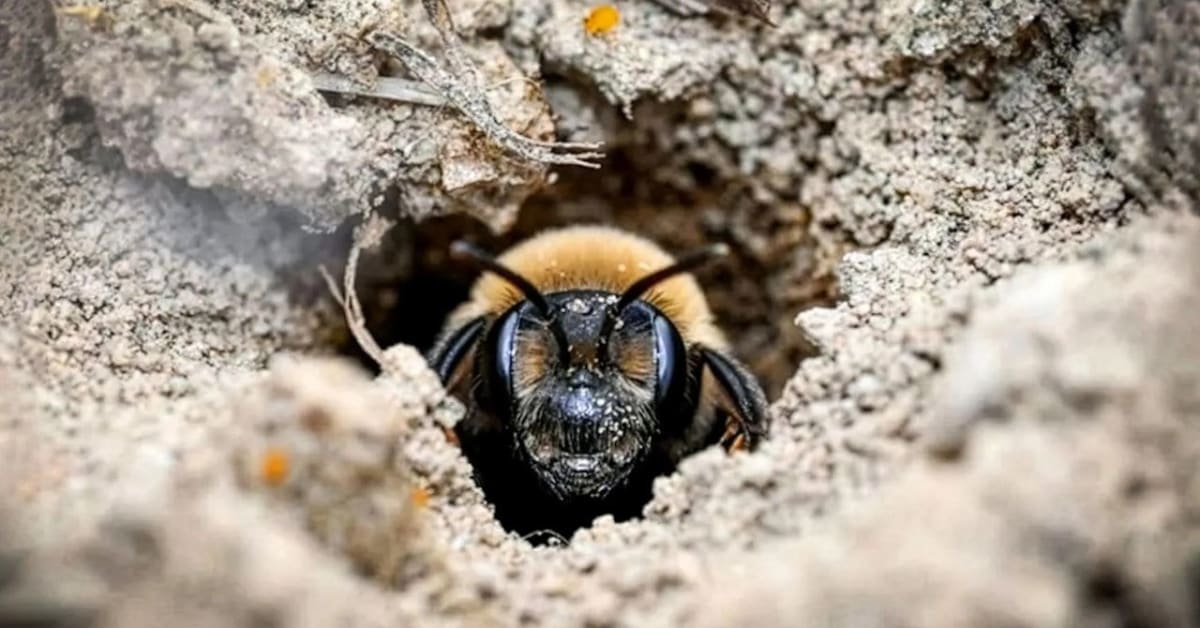
Scientists have discovered one of the largest known populations of native bees living beneath a New York cemetery, potentially for over a century. The find could help save struggling pollinator populations worldwide.

Google News - Scientists Discover3 min read
Portland Artist Turns Little Free Libraries Into Bee Gardens
InnovationMay 28

Portland Artist Turns Little Free Libraries Into Bee Gardens

A Portland artist is transforming neighborhood book boxes into miniature pollinator gardens, giving bees and butterflies a place to rest and refuel. The idea is spreading worldwide as communities add their own Little Bee Libraries.

Good Good Good2 min read
Oregon Hits 5 Years With Zero Pesticide Bee Deaths
Planet WinsJul 10

Oregon Hits 5 Years With Zero Pesticide Bee Deaths

Oregon hasn't recorded a single pesticide-related bee death since 2021, proving that education can save pollinators. The breakthrough came after the state trained 12,000 people and created the nation's largest bee species inventory.

Good News Network3 min read
Costa Rica Resort Protects Bees With New Genetics Lab
Planet WinsMay 23

Costa Rica Resort Protects Bees With New Genetics Lab

A Costa Rican resort just launched a bee genetics laboratory to strengthen pollinator populations threatened by climate change. The pilot program could create a replicable model for protecting the ecosystems that keep forests alive.

Tico Times Costa Rica3 min read
5.6 Million Bees Found Thriving Under New York Cemetery
Planet WinsApr 21

5.6 Million Bees Found Thriving Under New York Cemetery

Scientists discovered one of the largest bee colonies ever recorded living beneath a historic cemetery in Ithaca, New York. The finding reveals how unexpected places can serve as crucial refuges for vital pollinators.

Smithsonian2 min read
5.5 Million Bees Thrive in NY Cemetery for 100+ Years
Planet WinsMay 30

5.5 Million Bees Thrive in NY Cemetery for 100+ Years

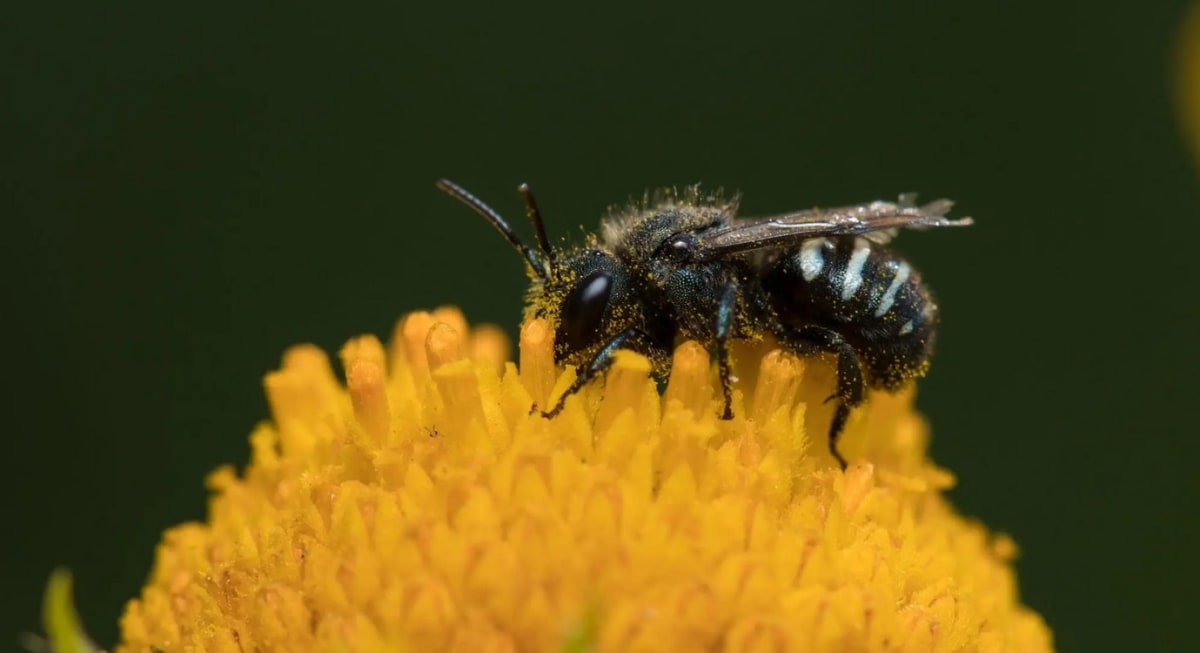
Scientists discovered one of the world's largest wild bee colonies thriving beneath a New York cemetery since the early 1900s. The 5.5 million mining bees are pollinating nearby orchards and proving that old cemeteries can be vital urban wildlife sanctuaries.

Wired2 min read
5.5 Million Bees Found Thriving Under NY Cemetery
Planet WinsApr 24

5.5 Million Bees Found Thriving Under NY Cemetery

Scientists discovered one of the largest bee colonies ever recorded living beneath a historic New York cemetery—and it's been thriving there for over a century. The find reveals how overlooked spaces can become havens for critical pollinators.

Google News - Researchers Find3 min read

Showing 20 of 280