Pretty Gardens Can Feed Pollinators Too, Study Finds
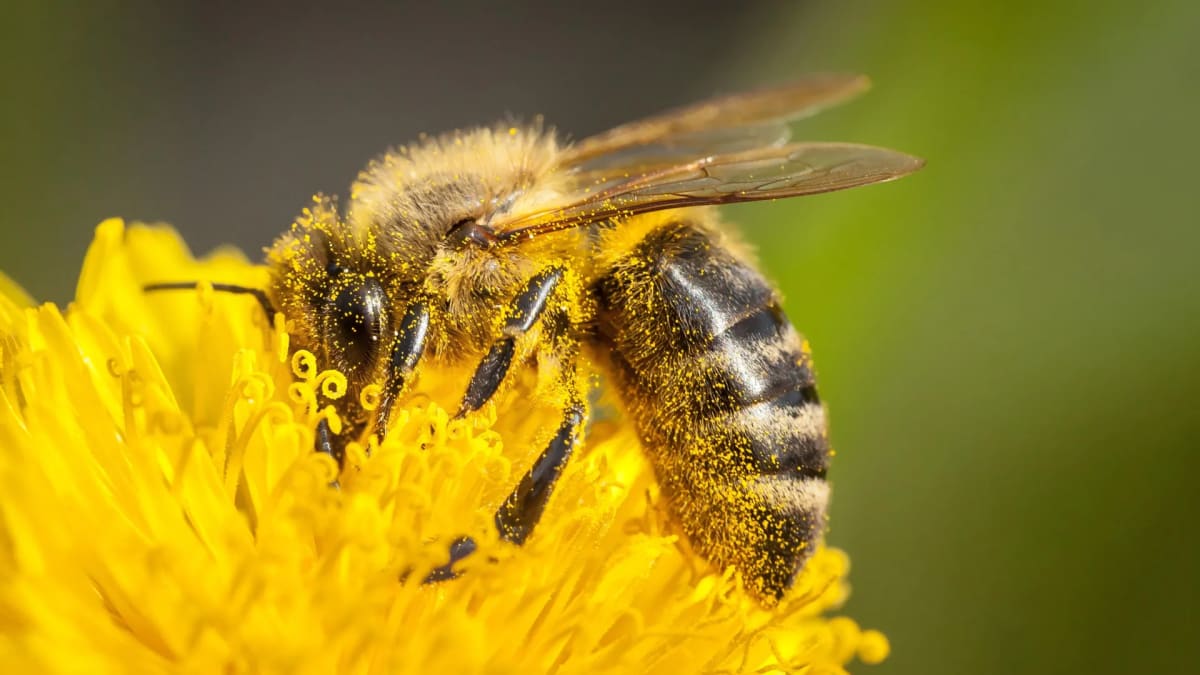
Northwestern University researchers discovered that cultivated garden flowers can support bees and butterflies just as well as wild native plants. The finding opens pollinator gardening to anyone who wants beauty and ecological value in their yard.
Good news for gardeners who want to help pollinators without turning their yards into wild meadows.
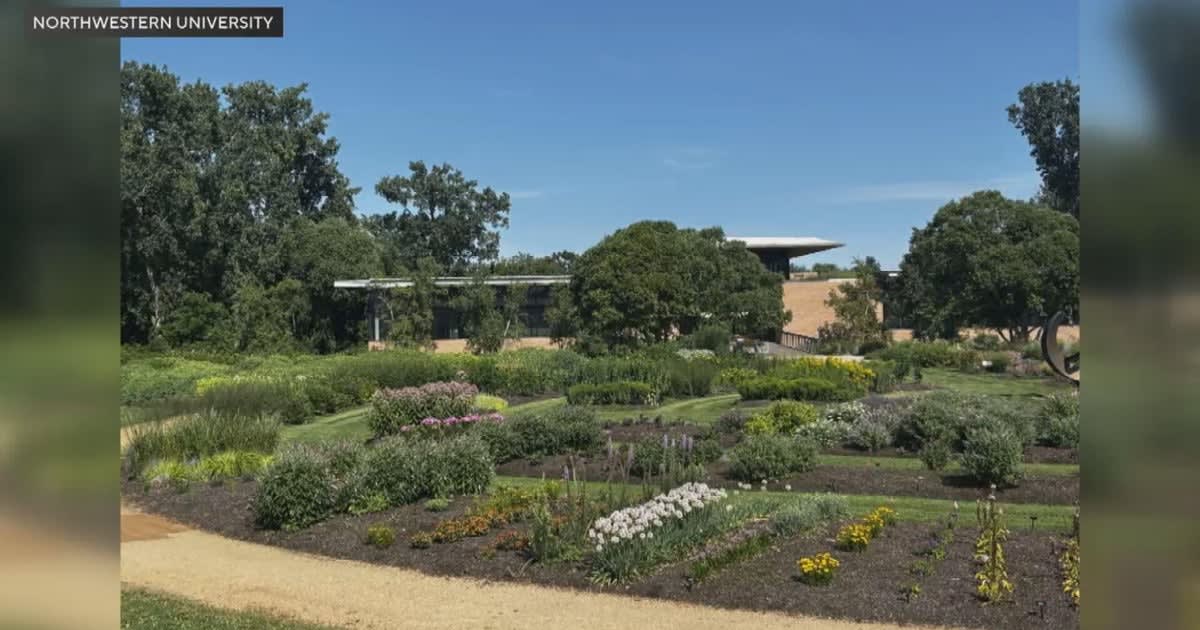
Northwestern University and Chicago Botanic Garden researchers found that some cultivated flowers attract bees and butterflies just as effectively as their wild cousins. The discovery could make pollinator gardening accessible to millions more people who felt intimidated by going completely native.
For nearly two decades, pollinator gardens have focused almost exclusively on wild native plants. The thinking was simple: wildflowers evolved over thousands of years to attract pollinators, while cultivated varieties were bred to please human eyes, not bees.
But the new study, published in Ecosphere, challenges that assumption. Researchers tested 13 cultivated plant varieties against four native species over two years, counting every bee, butterfly, moth, and beetle that visited.
Two cultivated flowers performed beautifully. Black-eyed Susan "Goldsturm" and foxglove beardtongue "Husker Red" attracted pollinators at the same rates as their wild relatives. Other cultivars like "American Gold Rush" and "Blackbeard" didn't fare as well.
The team didn't stop at controlled plots. They enlisted volunteers to plant the same flowers in backyards, schoolyards, and public spaces across the region. The results held up in real-world conditions.
Why This Inspires
This research matters because it removes barriers. Many people want to support struggling pollinator populations but worry about sacrificing curb appeal or navigating the complexity of native plant sourcing.
"Ecological value and aesthetics don't have to be at odds with each other," said lead author Nicholas Dorian from the Chicago Botanic Garden. His team showed that thoughtfully chosen cultivated plants can serve as a gateway for new pollinator gardeners.
The findings come at a crucial time. Honeybee populations crashed in the mid-2000s, sparking the pollinator garden movement. Today, bees, butterflies, and other pollinators still face habitat loss and declining food sources.
Now homeowners have more options. A mixed garden with both cultivated beauties and native wildflowers can provide the nectar and pollen that pollinators need while maintaining the aesthetic appeal that makes neighbors smile.
The key is knowing which cultivars work. Not all pretty flowers feed pollinators equally well, so future gardeners will benefit from more research identifying the winners.
Creating pollinator habitat doesn't require perfection or purity, just thoughtful choices that welcome both people and insects.
Based on reporting by Google News - Researchers Find
This story was written by BrightWire based on verified news reports.
Spread the positivity!
Share this good news with someone who needs it