Kansas Volunteers Help Save 2 Endangered Bumble Bee Species
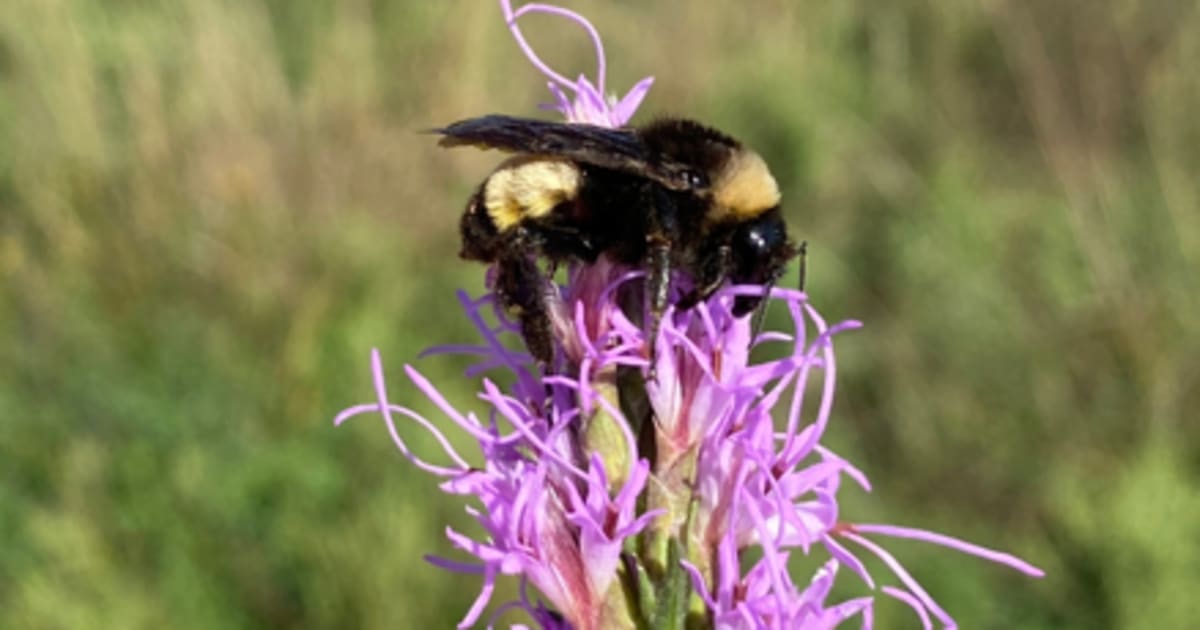
Everyday citizens in Kansas are becoming bee detectives, helping scientists track bumble bees across the prairies. Their efforts have already identified two species at risk of extinction.
Kansas is calling for volunteers to help save some of its tiniest but most important residents: bumble bees.
The Kansas Department of Wildlife and Parks is inviting anyone who loves nature to join the Great Plains Bumble Bee Atlas for its fifth year. No science degree required. Just bring curiosity and a free weekend or two between June and September.
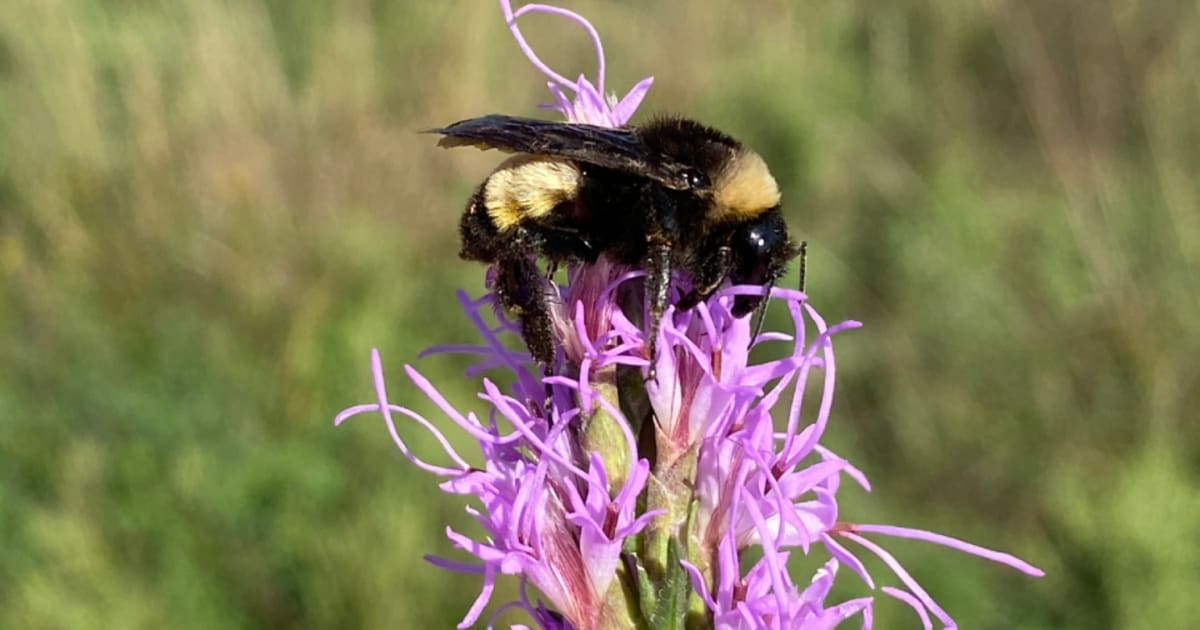
Over the past four years, Kansas volunteers have already made a real difference. They've recorded 2,300 bumble bees across 263 surveys and identified six different species. Two of those species are now considered at risk of extinction, making this tracking work critical for their survival.
"All you need to become a volunteer is an interest in pollinators and the ability to spare a couple of weekends," said Katie Lamke, a conservation biologist with the Xerces Society for Invertebrate Conservation. She emphasized that volunteers exploring western Kansas prairies are especially needed, since those remote areas have the least data about bumble bee populations.
The project spans 21 states across the Great Plains, where trained community scientists help researchers document bumble bees and their habitats. The information goes directly to researchers, state and federal agencies, and policymakers who use it to protect these vital pollinators.
Training happens both online and in person this May and June. Free hands-on sessions will teach volunteers how to swing a net, photograph bumble bees, and identify different species. Two field training events are scheduled for June 6 at Tallgrass Prairie National Preserve and June 7 at Sandsage Bison Range Wildlife Area.
The Ripple Effect
When pollinators thrive, entire ecosystems benefit. Bumble bees pollinate wildflowers that feed other wildlife, crops that feed communities, and prairie plants that prevent soil erosion. By spending a few summer weekends tracking these fuzzy fliers, volunteers create data that shapes conservation policy for years to come.
The project has already proven that ordinary people can make extraordinary contributions to science. Every bumble bee photographed and logged helps researchers understand population trends, habitat needs, and which areas need urgent protection.
Diedre Kramer, wildlife diversity coordinator for Kansas wildlife parks, called it "a great opportunity for volunteers to get out and appreciate the wild spaces we have in Kansas while also providing valuable information that will help inform conservation efforts in the future."
One weekend in the prairie could help save a species.
More Images


Based on reporting by Google: volunteers help
This story was written by BrightWire based on verified news reports.
Spread the positivity!
Share this good news with someone who needs it