Oregon Hits 5 Years With Zero Pesticide Bee Deaths
Oregon hasn't recorded a single pesticide-related bee death since 2021, proving that education can save pollinators. The breakthrough came after the state trained 12,000 people and created the nation's largest bee species inventory.
When Oregon lost countless bees to pesticide poisoning in a parking lot in 2013, the state didn't just mourn. It built one of the most successful pollinator protection programs in American history.
Scientists at Oregon State University just released their first comprehensive bee health report, and the numbers tell an incredible story. Not a single pesticide-related bee death has been recorded in Oregon since 2021.
The turnaround started with the 2013 tragedy that shocked residents and lawmakers alike. Oregon's legislature immediately created a Task Force on Pollinator Health to figure out what went wrong and how to prevent future die-offs.
Oregon State University took charge of developing educational materials that would teach anyone working with pesticides how to protect bees. By 2018, the effort expanded into the Oregon Bee Project, a statewide initiative focused on spreading that knowledge far and wide.
The numbers show just how serious Oregon got about this mission. Over 12,000 landscapers and agricultural workers received specialized training on minimizing pesticide risks to bees. K-12 schools across the state got educational materials about pollinator protection.
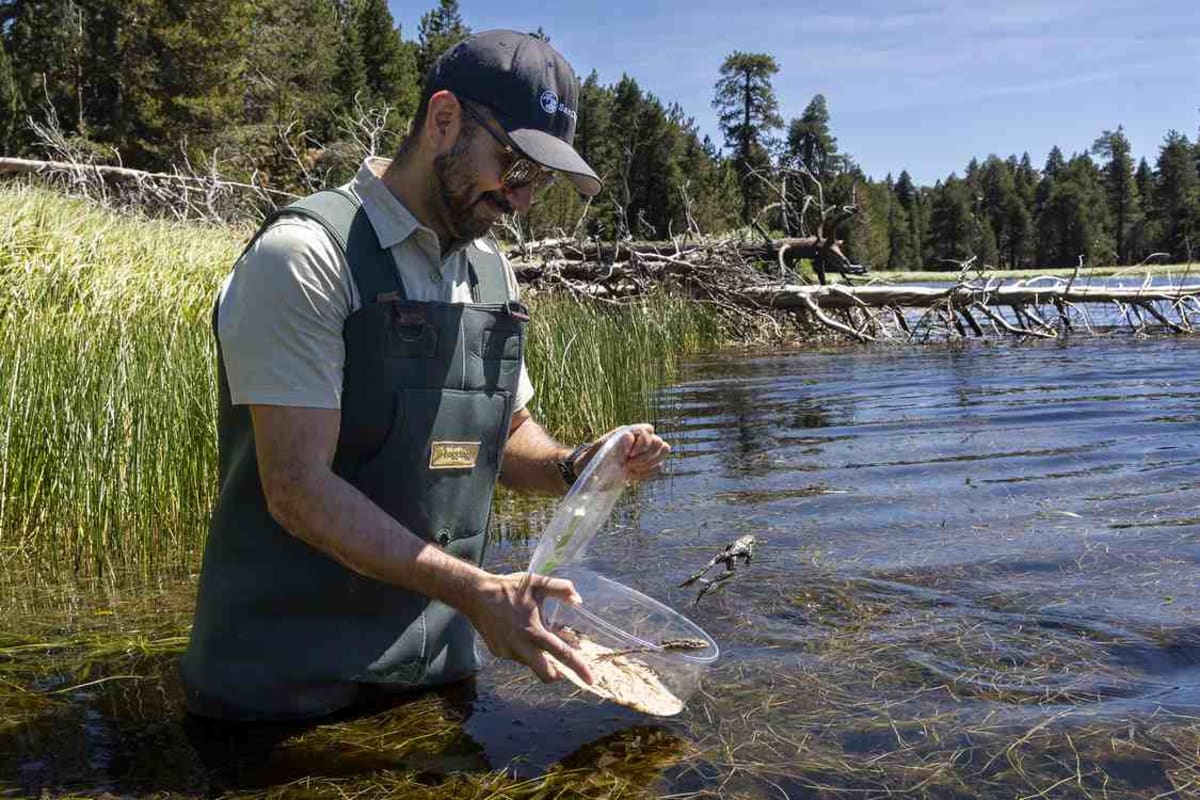
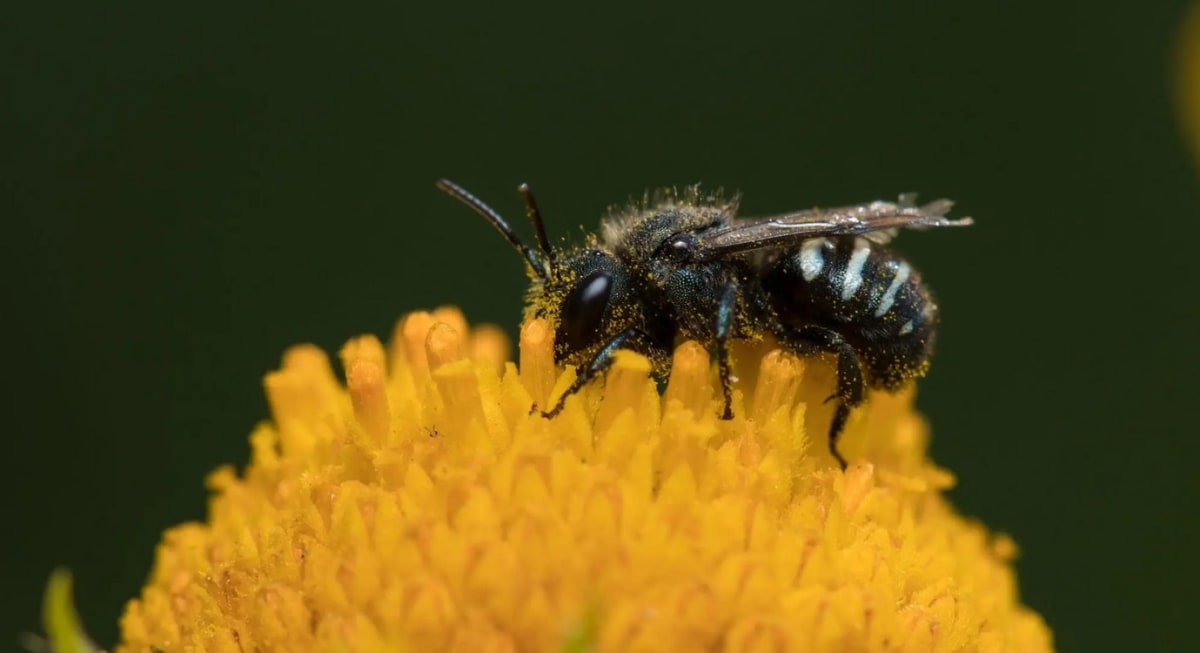
But Oregon didn't stop at warning labels and safety classes. The state created the Oregon Bee Atlas, the largest inventory of bee species anywhere in the United States, documenting all 567 bee species that call Oregon home.
The atlas does more than list species. It translates scientific data into practical advice, showing gardeners and land managers which plants work best for pollinators in every Oregon county.
The project even inspired commemorative license plates that raised $800,000 to fund ongoing bee protection work. Oregonians literally put their money where their pollinators are.
The Ripple Effect
Oregon's success proves something powerful: environmental wins don't require perfect conditions or massive budgets. They require giving people the right information and trusting them to do the right thing.
The state hosts one of the most biodiverse bee populations in the country, making the challenge especially tough. Yet everyday citizens, landscapers, farmers, and gardeners rose to meet it.
"Oregon has built one of the strongest bee survey and education networks in the country," said Andony Melathopoulos, a pollinator expert at OSU's Extension Service. "The public value is that we can now give people better information for protecting bees, improving habitat and making informed decisions in every part of the state."
Other states are already watching Oregon's model, wondering if they can replicate the success. The answer appears to be yes, if they're willing to invest in education and trust their residents to care.
Five years without a single pesticide-related bee death in a state full of agriculture, landscaping, and wild spaces isn't just good news for Oregon's 567 bee species.
More Images
Based on reporting by Good News Network
This story was written by BrightWire based on verified news reports.
Spread the positivity!
Share this good news with someone who needs it