Spain's Donkeys Prevent Wildfires by Eating Their Way to Safety
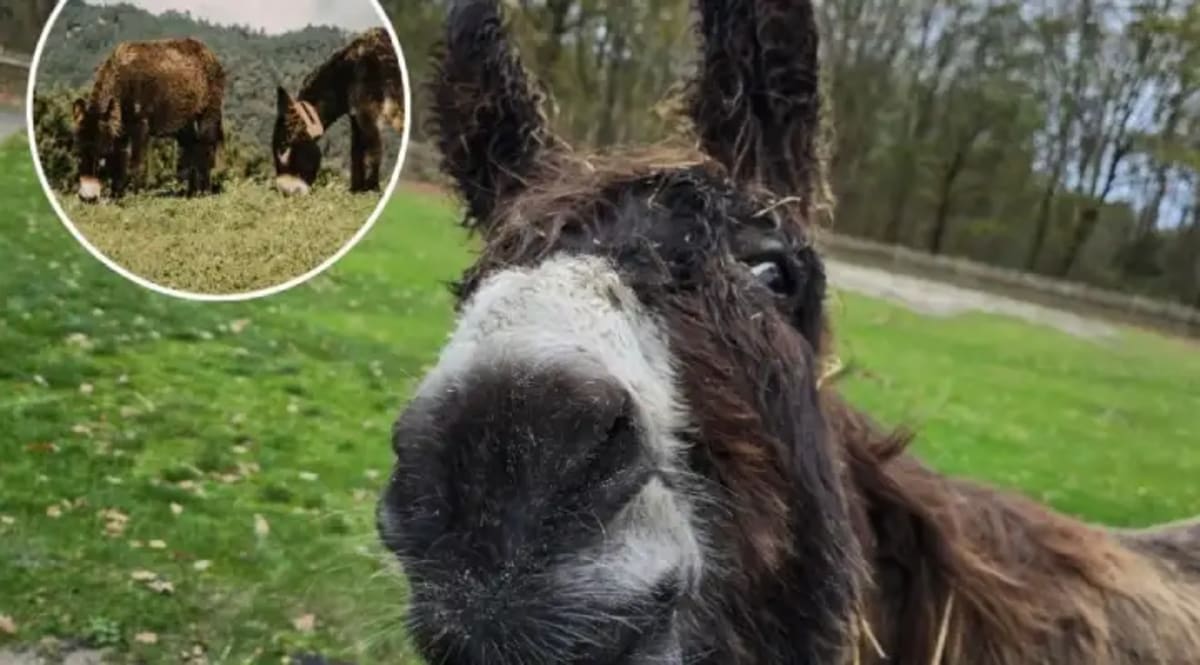
A herd of 18 rescued donkeys in southern Spain has kept Doñana National Park wildfire-free for nine years by simply grazing on dry vegetation. These "herbivorous firefighters" work seven hours a day clearing fire-prone brush that equipment and crews can't easily reach.
While firefighters race toward blazes, 18 rescued donkeys in southern Spain spend their days making sure those fires never start. By munching on dry grass and thick brush, these unlikely heroes have helped keep Doñana National Park free of wildfires for nearly a decade.
The results speak for themselves. After the donkey brigade started work, the park went nine years without recording a single forest fire in one of Europe's most important protected natural areas.
The four-legged firefighting team is part of a project led by nonprofit El Burrito Feliz, supported by volunteers from Mujeres por Doñana. From March through November, the donkeys graze in hard-to-reach areas where fire crews and heavy equipment struggle to operate.
Working up to seven hours daily, the donkeys feast on dry grass, shrubs, and scrub vegetation that becomes dangerous fuel during Spain's hot, dry summers. Unlike cattle or sheep, donkeys eat much tougher and drier plants, making them perfectly suited for clearing fire-prone landscapes.
Among the herd is Galileo, the unofficial leader with an unusual backstory. He was rescued as a young donkey in extremely poor health and spent his first months recovering in a dog shelter before finding a permanent home with El Burrito Feliz.
His caretakers say he picked up some canine habits along the way. He sniffs like a dog and has even tried to bark, earning him a reputation as the donkey who thinks he's a dog.
The nonprofit affectionately calls the herd "herbivorous firefighters." Other donkeys include Mortadelo, Magallanes, Leonor, and Ainoa, each playing their part in protecting the landscape.
Volunteers from Mujeres por Doñana accompany the animals throughout the day, hauling carts filled with water buckets to keep the hardworking donkeys hydrated while they graze. Their dedication ensures the team can work effectively even during Spain's hottest months.
The Ripple Effect
The project has attracted attention beyond the local community. Spain's Military Emergency Unit visited the donkeys and symbolically adopted one in recognition of its service to wildfire prevention.
Experts point to this initiative as proof that simple, natural solutions can create meaningful change. Instead of expensive equipment or complex technology, these rescued donkeys found purpose while solving a critical environmental challenge.
The success in Doñana shows how working with nature, rather than against it, can protect communities and ecosystems alike.
Based on reporting by Sunny Skyz
This story was written by BrightWire based on verified news reports.
Spread the positivity!
Share this good news with someone who needs it